 Preview
 Send
Send Share
Share
 Details

 Download
 Similars
 X-Ray
X-Ray Diaporama
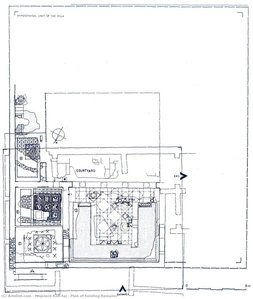
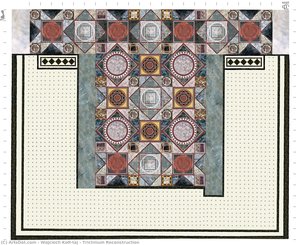
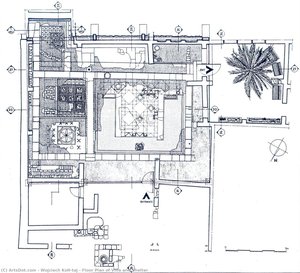
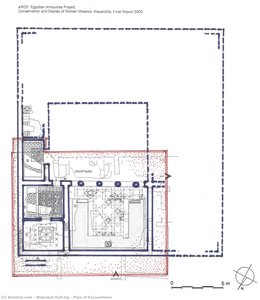
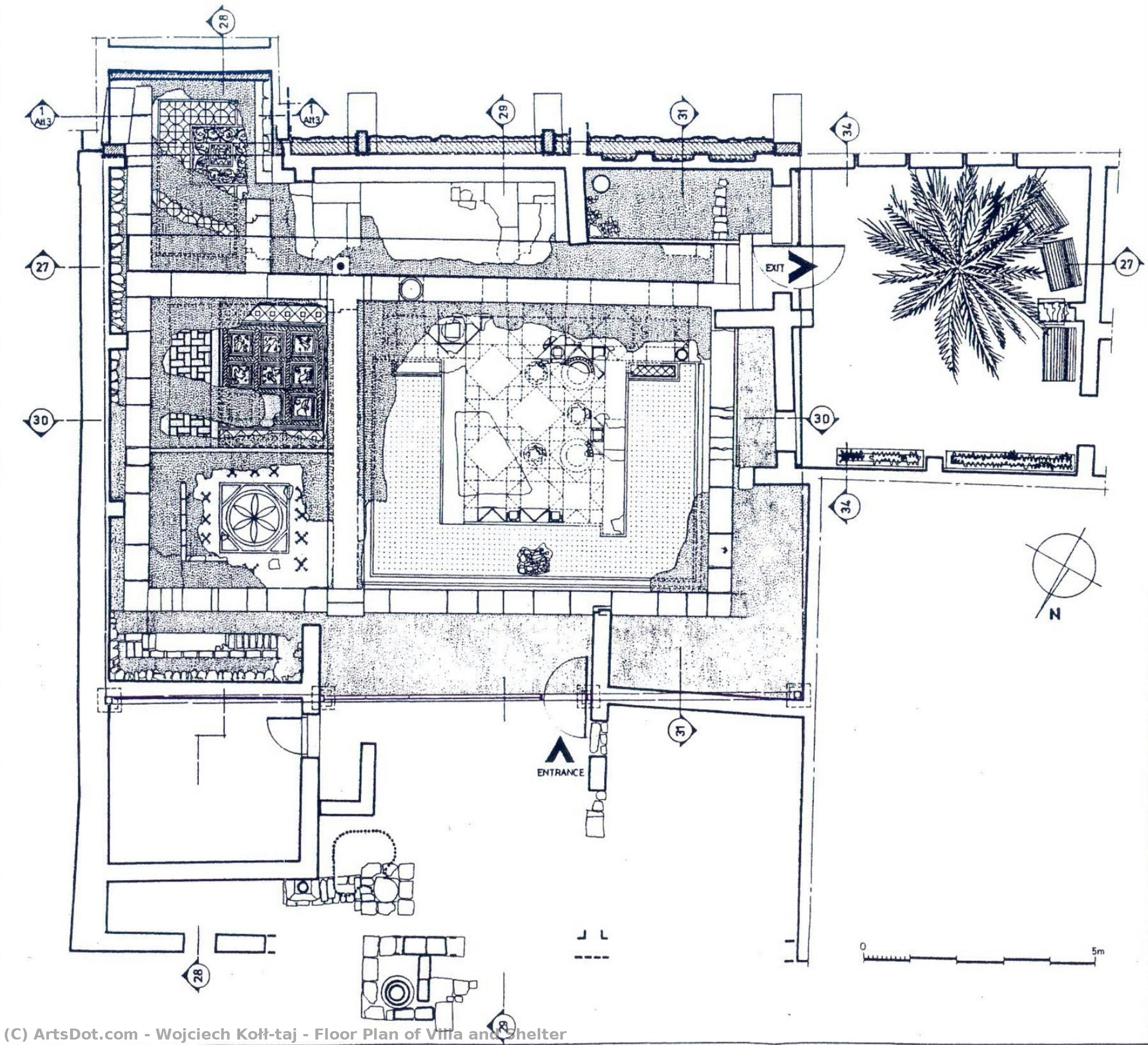
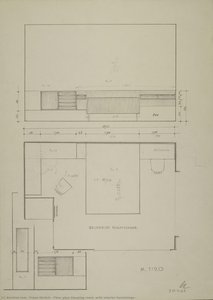
Floor Plan of Villa and Shelter


 Read More
Hand Made Oil Reproduction
Hand-painted oil on canvas in your size and frame, made to order by our artists. ( Buy Print Buy Image)




































Pick from our preset sizes that match the artwork's original proportions.

You may enter your own dimensions to fit a specific frame or space. If your selected size does not match the original image's proportions, we will either crop the artwork or extend the painting with additional hand-painted elements. A digital mockup will be sent for your approval before production begins.
Please note that the on-screen preview does not reflect the actual cropping or extension. Only the mockup will accurately show the final composition.
While custom sizes are available, we recommend selecting a dimension from the predefined list to preserve the original proportions.
After order, ArtsDot.com team will email client for instructions and provide a mockup preview
Worldwide Delivery () in 3/4 weeks instead of standard 5 weeks. (17 August). No compromise on quality.

Free Worldwide Express Shipping

High-Quality Linen Canvas

Full Shipping Insurance

Customs Tax Refund Guarantee

True Color Matching Guarantee

60-Day Return Policy (Defects Only)

100% Money-Back Guarantee

Bulk Discount Offer
 Glass option is only available in size under 110 CM

Floor Plan of Villa and Shelter
Reproduction Medium
Reproduction Size
-


Total Price
$ 263
Related Artworks
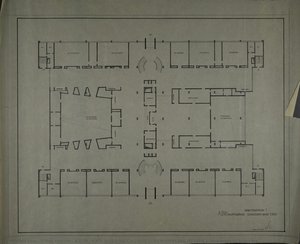
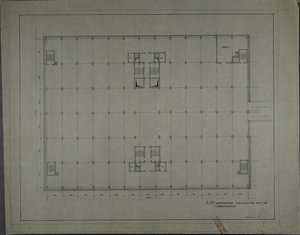
Artist Biography
A Priest of the Enlightenment: The Life and Legacy of Wojciech Kołłątaj
Wojciech Kołłątaj, a name perhaps unfamiliar to many outside the circles of Polish history, represents a fascinating confluence of faith, reform, and intellectual fervor in the late 18th-century. Born on April 1st, 1750, in Dedzinka, Poland, he was far more than simply a Roman Catholic priest; Kołłątaj embodied the spirit of the Polish Enlightenment, dedicating his life to social and political transformation during a period of immense upheaval for his nation. His story is one of unwavering commitment to progress, even in the face of exile and adversity, leaving behind a legacy that continues to resonate within Poland’s cultural identity.From Seminary to Statesman: Early Life and Intellectual Formation
Kołłątaj's early life provided little indication of the pivotal role he would later play on the Polish political stage. He entered the seminary, embracing a religious vocation that initially seemed destined for traditional service within the Church. However, his intellectual curiosity soon led him beyond theological studies. Immersing himself in the works of Enlightenment thinkers – figures like Rousseau and Locke – Kołłątaj began to question established norms and envision a more just and equitable society. This burgeoning philosophical outlook wasn’t merely academic; it fueled a deep concern for the plight of the common people, particularly the peasantry burdened by serfdom. He recognized that true faith demanded not only spiritual devotion but also active engagement in improving the material conditions of life for all citizens. His early writings reveal a keen understanding of social inequalities and a growing conviction that Poland needed fundamental reform to survive.The Great Sejm and the Constitution of May 3rd
Kołłątaj’s ascent into national prominence began with his election as deputy chancellor of the Crown in 1791, placing him at the heart of the Great Sejm – a pivotal period of legislative activity aimed at strengthening Poland. He became one of the leading architects of the Constitution of May 3rd, 1791, a groundbreaking document that sought to establish a constitutional monarchy, abolish elective kingships, and grant greater rights to the bourgeoisie and peasantry. This was not simply a matter of political maneuvering; Kołłątaj believed passionately in the principles enshrined within the constitution – principles of liberty, equality, and popular sovereignty. He envisioned a Poland transformed into a modern, stable nation-state capable of resisting external pressures. His influence extended beyond drafting legislation; he was a powerful orator and persuasive advocate for reform, galvanizing support among progressive nobles and intellectuals.Exile and Continued Advocacy
The Constitution of May 3rd proved to be short-lived. Opposition from conservative factions within Poland, coupled with intervention from neighboring powers – Russia in particular – led to the outbreak of war and ultimately, the partitions of Poland. Kołłątaj’s unwavering support for the constitution made him a target, and he was forced into exile in 1794 following the suppression of the Kościuszko Uprising. Despite being stripped of his position and facing constant threat, he continued to advocate for Polish independence and reform from abroad. He traveled extensively throughout Europe, seeking support for Poland’s cause and tirelessly working to preserve its cultural heritage. Even in exile, his intellectual energy remained undimmed; he wrote extensively on history, philosophy, and political theory, refining his vision for a future Poland based on principles of self-governance and social justice.A Lasting Impact: Kołłątaj’s Historical Significance
Wojciech Kołłątaj died in Warsaw on February 28th, 1812, but his legacy endured. While he may not be a household name internationally, within Poland he is revered as a national hero – a symbol of intellectual courage and unwavering patriotism. His writings continue to be studied by historians and political scientists, offering valuable insights into the challenges facing Poland during the Enlightenment era. Beyond his political achievements, Kołłątaj’s architectural plans, such as the Floor Plan of Villa & Shelter, demonstrate a practical application of his reformist ideals – seeking to improve living conditions and promote social welfare through thoughtful design. He was a true polymath, seamlessly blending intellectual pursuits with active engagement in public life. His commitment to education, social justice, and national independence continues to inspire generations of Poles, solidifying his place as one of the most important figures in Polish history.- Key Achievements: Deputy Chancellor of the Crown (1791-92), Architect of the Constitution of May 3rd.
- Influences: Enlightenment thinkers such as Rousseau and Locke, a deep concern for social justice.
- Legacy: Revered as a national hero in Poland, advocate for education, independence, and reform.
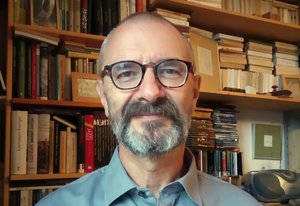
wojciech kołłątaj
1750 - 1812 , Poland
Quick Facts
- Artistic Movement Or Style: Enlightenment drawings
- Date Of Birth: April 1, 1750
- Date Of Death: February 28, 1812
- Full Name: Wojciech Kołłątaj
- Nationality: Polish
- Notable Artworks: ['Floor Plan of Villa & Shelter']
- Place Of Birth: Dederkały Wielkie, Poland
Related Articles
Stanisław Wyspiański: Symbolism, National Identity & the Polish Secession
Explore the life & work of Stanisław Wyspiański, a pivotal figure in Polish Symbolism and the Young Poland movement. Discover his iconic paintings, dramas, and stained glass designs reflecting national identity & artistic innovation.
The Nuances of Graphite: Exploring Emotional Depth & Technical Mastery in Pencil Drawing
Explore the captivating world of graphite drawing! Discover its rich history, master essential techniques like chiaroscuro, and learn how artists evoke emotion through this timeless medium. Expert insights for art enthusiasts.
18th Century Masters: 10 Artworks That Define an Era | ArtsDot
Journey through 18th century art! Explore 10 iconic paintings – from Rococo elegance to Neoclassical grandeur. Discover Fragonard, David & more. Find museum-quality reproductions and elevate your home decor on ArtsDot.com.
Jan Matejko: Historical Narrative & National Identity in 19th-Century Polish Painting
Explore the powerful historical paintings of Jan Matejko, Poland's national artist. Discover his iconic works & learn how he shaped Polish identity in the 19th century. High-quality reproductions available.
The Enduring Power of Line: Exploring Themes & Techniques in Drawing Across Art History
Explore the rich history of drawing! Discover key techniques like linear perspective & iconic artists from the Renaissance to modern times. Enhance your art appreciation with ArtsDot.