 Preview
 Send
Send Share
Share
 Details

 Download
 Similars
 X-Ray
X-Ray Diaporama
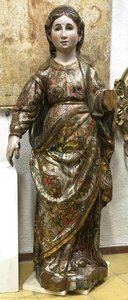
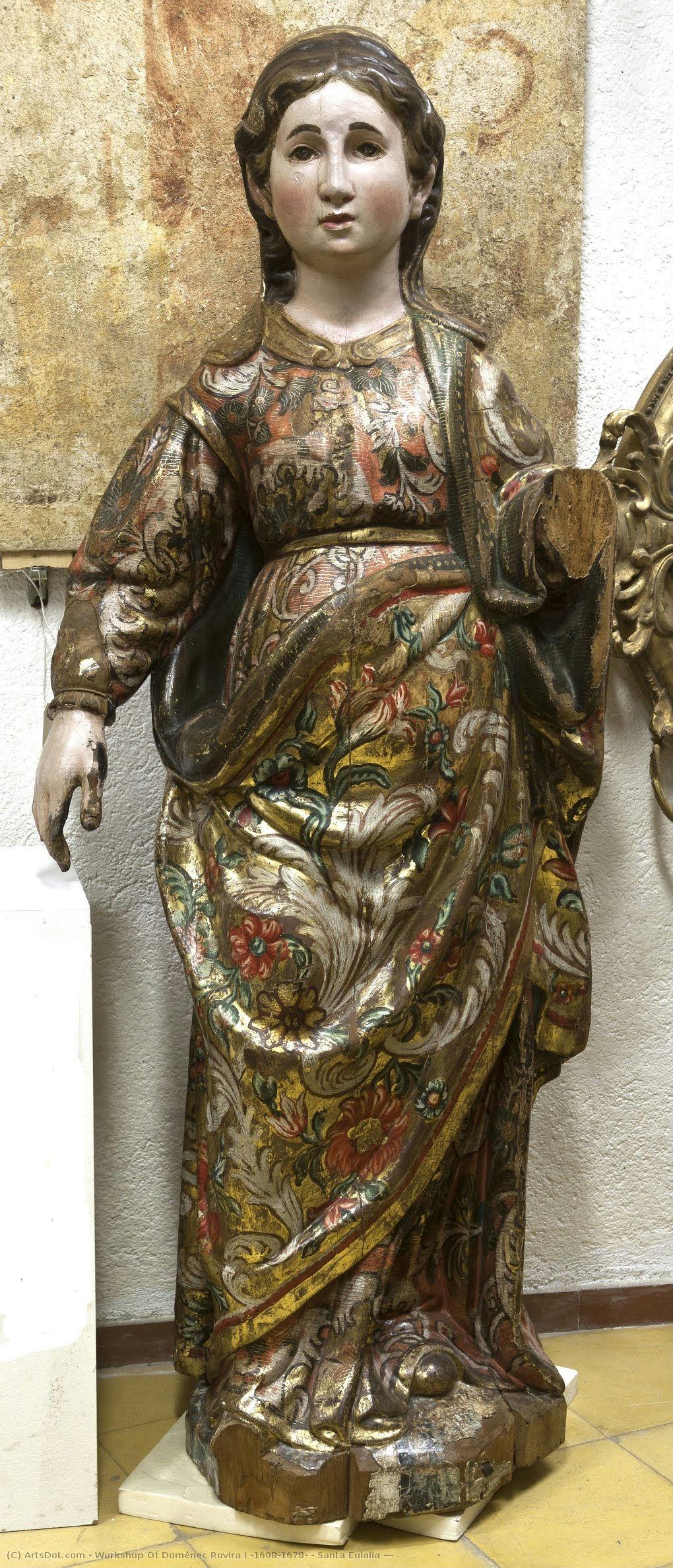
Santa Eulalia (?)
 Baroque
 62.0 x 145.0 cm
 Girona Art Museum
 Read More
Giclée / Art Print
Museum-quality giclée or canvas print with fast production and flexible finish options. ( Buy Hand Made Painting Buy Image)




































Pick from our preset sizes that match the artwork's original proportions.

You may enter your own dimensions to fit a specific frame or space. If your selected size does not match the original image's proportions, we will either crop the artwork or extend the image with a mirrored or solid-fill edge. A digital mockup will be sent for your approval before production begins.
Please note that the on-screen preview does not reflect the actual cropping or extension. Only the mockup will accurately show the final composition.
While custom sizes are available, we recommend selecting a dimension from the predefined list to preserve the original proportions.
Worldwide Delivery () in 2 weeks instead of standard 4/5 weeks. (26 August)

Free Worldwide Express Shipping

High-Quality Linen Canvas

Full Shipping Insurance

Customs Tax Refund Guarantee

True Color Matching Guarantee

60-Day Return Policy (Defects Only)

100% Money-Back Guarantee

Bulk Discount Offer
 Glass option is only available in size under 110 CM

Santa Eulalia (?)
Giclée / Art Print
Reproduction Size
-


Total Price
$ 63
Related Artworks



Artist Biography
Domènec Rovira I: A Sculptor of Baroque Devotion
Domènec Rovira I, active during the vibrant 17th century (1608-1678/79), remains a somewhat enigmatic figure in the landscape of Catalan Baroque sculpture. While biographical details are scarce, his work speaks volumes about the religious fervor and artistic sensibilities of his time. Operating primarily within the Girona region of Spain, Rovira I established himself as a skilled craftsman dedicated to creating powerfully emotive sculptures intended for devotional worship. His workshop became a center for producing altarpiece figures and individual saintly representations that graced churches and chapels throughout Catalonia.
The Artistic Context of 17th-Century Catalonia
To understand Rovira I’s art, one must consider the broader context of 17th-century Catalonia. This period witnessed a flourishing of Baroque artistry, fueled by the Counter-Reformation and the desire to reaffirm Catholic doctrine through visually compelling means. The absolute monarchies across Europe embraced an exuberant artistic language—dynamic compositions, rich ornamentation, and dramatic displays of emotion were hallmarks of the style. Though not a major European center like Rome or Paris, Catalonia developed its own unique Baroque character, often characterized by a more restrained elegance compared to the excesses found elsewhere. Rovira I’s work embodies this Catalan sensibility; his sculptures are undeniably Baroque in their theatricality and polychrome detail, yet they possess a certain groundedness and sincerity that sets them apart.
A Workshop of Skilled Hands
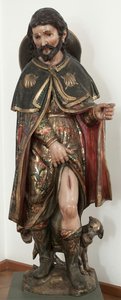
The designation “Workshop Of Domènec Rovira I” is crucial. It suggests that the artist oversaw a collaborative enterprise, likely employing assistants and apprentices to execute his designs. This was common practice in the 17th century, particularly for large-scale projects like altarpieces. The sculptures attributed to his workshop demonstrate a consistent style—a focus on realistic anatomy, expressive faces, and intricate carving of drapery. The use of rich polychrome, often with scratched detailing to simulate gilding, was another defining characteristic. A prime example is Santa Eulalia (?), a stunning piece showcasing the workshop’s mastery of these techniques. The sculpture's floral details further enhance its visual impact and devotional appeal. It’s important to note that identifying works definitively as by Rovira I himself versus his assistants can be challenging, adding to the mystery surrounding his oeuvre.
Themes and Techniques
Rovira I’s sculptures predominantly centered on religious subjects—saints, biblical figures, and scenes from the lives of Christ and the Virgin Mary. These works were not intended as mere aesthetic objects; they served a deeply spiritual purpose, acting as intermediaries between the faithful and the divine. The artist skillfully employed wood carving to create figures that conveyed both physical presence and emotional intensity. The sculptures often feature dynamic poses and dramatic gestures, designed to elicit empathy and inspire prayer. References in documents like those from the Museu d'Art de Girona point to commissions for altarpieces dedicated to St Peter, highlighting the importance of patron saints in Catalan religious life. The artist’s ability to capture the weight and texture of fabric, combined with his attention to anatomical detail, brought a remarkable sense of realism to his creations.
Legacy and Historical Significance
While Domènec Rovira I may not be as widely recognized as some of his contemporaries, his contribution to Catalan Baroque sculpture is significant. His workshop played a vital role in shaping the visual landscape of churches throughout the region, providing devotional images that resonated with local communities for generations. The impact of his style can be seen in the work of later sculptors, and his sculptures continue to be admired today for their artistry and spiritual power. The fact that his works were sometimes attributed alongside others—such as Antoni Rovira and Pau Torrent—suggests a network of artistic collaboration within Girona during this period. Further research into archival documents and stylistic analysis will undoubtedly shed more light on the life and work of this important, yet often overlooked, master of Baroque devotion.
Quick Facts
- Artistic Movement Or Style: Baroque sculpture
- Date Of Birth: 1608
- Date Of Death: 1678
- Full Name: Domènec Rovira I
- Notable Artworks: ['Santa Eulalia (?)']
Related Articles

Bronze Sculptures That Defined Art History | ArtsDot
Journey through art history with our Top 10 bronze sculptures! Explore masterpieces by Rodin, Michelangelo & more. Discover stories behind iconic statues and find museum-quality reproductions for your home decor at ArtsDot.com.

The Enduring Form: Exploring Themes & Techniques in Sculpture Across Historical Periods
Explore the rich history of sculpture from ancient masterpieces to contemporary innovations. Discover key techniques, influential artists & investment potential for discerning art collectors.

The Enduring Form: Sculpture Across History, Technique & Emotional Resonance
Explore the rich history of sculpture with ArtsDot. Discover key techniques, influential artists & investment potential for discerning collectors. Expert insights into valuing and collecting timeless masterpieces.

Theatricality & Triumph: Baroque Drama in Painting & Sculpture
Explore the dramatic world of Baroque art! Discover its history, defining characteristics, & lasting influence on painting & sculpture. Expert insights into Caravaggio, Zurbarán, and Bernini – plus high-quality reproductions at ArtsDot.

Bronze Age to Modern Masters: 10 Sculptures That Redefined Art | ArtsDot
Journey through art history with 10 legendary bronze sculptures – from Michelangelo's David to Rodin’s Thinker. Explore the stories, techniques & timeless beauty of these masterpieces. Find museum-quality reproductions & elevate your home decor on ArtsDot.com.