 Preview
 Send
Send Share
Share
 Details

 Download
 Similars
 X-Ray
X-Ray Diaporama
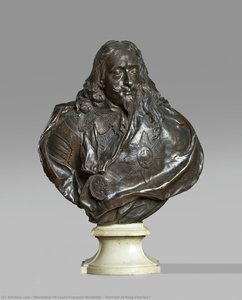
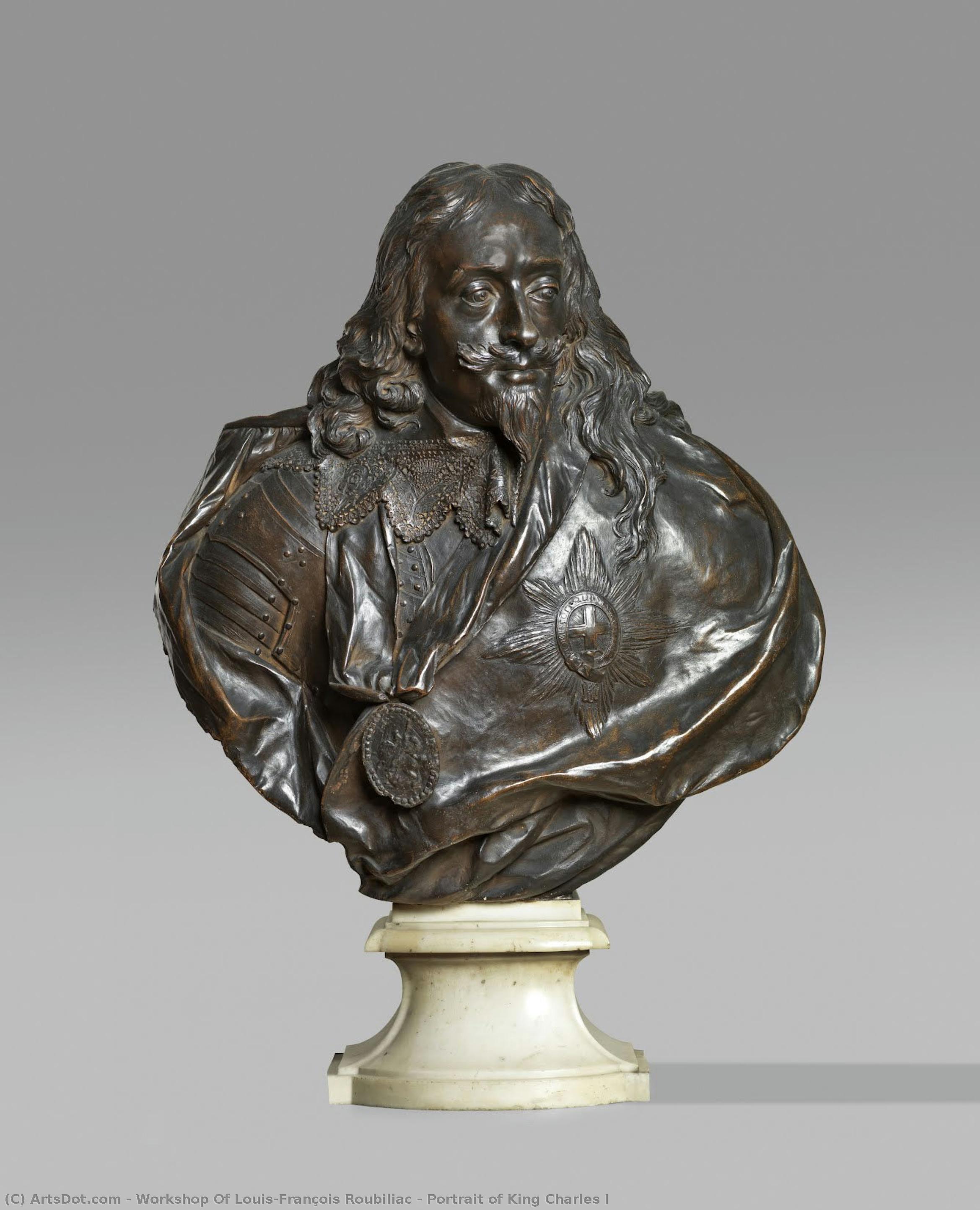
Portrait of King Charles I


 Read More
Giclée / Art Print
Museum-quality giclée or canvas print with fast production and flexible finish options. ( Buy Hand Made Painting Buy Image)




































Pick from our preset sizes that match the artwork's original proportions.

You may enter your own dimensions to fit a specific frame or space. If your selected size does not match the original image's proportions, we will either crop the artwork or extend the image with a mirrored or solid-fill edge. A digital mockup will be sent for your approval before production begins.
Please note that the on-screen preview does not reflect the actual cropping or extension. Only the mockup will accurately show the final composition.
While custom sizes are available, we recommend selecting a dimension from the predefined list to preserve the original proportions.
Worldwide Delivery () in 2 weeks instead of standard 4/5 weeks. (5 September)

Free Worldwide Express Shipping

High-Quality Linen Canvas

Full Shipping Insurance

Customs Tax Refund Guarantee

True Color Matching Guarantee

60-Day Return Policy (Defects Only)

100% Money-Back Guarantee

Bulk Discount Offer
 Glass option is only available in size under 110 CM

Portrait of King Charles I
Giclée / Art Print
Reproduction Size
-


Total Price
$ 63
Related Artworks





Artist Biography
The Legacy of Form: The Workshop of Louis-François Roubiliac
The name Roubiliac resonates through the annals of 18th-century sculpture, not as a singular artistic voice, but as a vibrant workshop – a crucible where exceptional talent was nurtured and disseminated. While Louis-François Roubiliac himself stands as the acknowledged master, the “Workshop of Louis-François Roubiliac” represents a collective endeavor, a testament to the power of apprenticeship and the enduring demand for his distinctive style. Born in France around 1689 (the exact date remains elusive), Roubiliac’s journey began amidst the burgeoning Baroque tradition, but it was in England that he truly flourished, becoming arguably the most celebrated sculptor of the Rococo period. His workshop wasn't merely a place of production; it was an academy, attracting skilled artisans who absorbed his techniques and contributed to the proliferation of his iconic works.From French Roots to English Acclaim
Roubiliac’s early training in France provided him with a solid foundation in classical principles and the dramatic flair characteristic of Baroque sculpture. However, he arrived in England in 1727 seeking new opportunities and quickly established himself as a leading portrait sculptor. Unlike many of his contemporaries who favored idealized representations, Roubiliac possessed an extraordinary ability to capture the *likeness* and personality of his sitters. This realism, combined with a refined Rococo sensibility – evident in the delicate textures, dynamic poses, and playful use of light and shadow – proved immensely popular among the English aristocracy. He secured commissions from prominent figures including Lord Burlington, the Duke of Marlborough, and even members of the royal family. The workshop grew organically to meet this demand, becoming a hub for skilled modelers, carvers, and assistants who faithfully executed Roubiliac’s designs. It is crucial to understand that works attributed to the “Workshop” were not simply copies; they often involved significant contributions from these talented artisans under Roubiliac's direct supervision, ensuring a consistent level of quality and stylistic coherence.A Style Defined: Realism, Rococo, and Emotional Depth
The hallmark of the Workshop’s output lies in its masterful blend of realism and Rococo elegance. Roubiliac eschewed the stiff formality often associated with earlier portrait sculpture, instead opting for dynamic compositions that conveyed a sense of movement and vitality. His portraits are not static representations; they capture fleeting moments, revealing the inner lives of his subjects. This was achieved through meticulous observation and an unparalleled skill in rendering anatomical detail. The workshop excelled at translating Roubiliac’s vision into marble, bronze, and terracotta. They were particularly adept at capturing the textures of fabrics, hair, and skin, creating a sense of tactile realism that brought their sculptures to life. Beyond technical prowess, the Workshop also demonstrated a keen understanding of symbolism and allegory, often incorporating subtle references to the sitter's profession, status, or personal beliefs into their compositions. This attention to detail elevated their work beyond mere portraiture, transforming it into compelling narratives.Major Achievements and Enduring Influence
While Roubiliac’s own hand can be identified in some of his most celebrated works – such as the monument to William Kent at Salisbury Cathedral and the statue of Handel for Vauxhall Gardens – the Workshop played a vital role in producing numerous other masterpieces. The busts of prominent figures like Alexander Pope, John Milton, and Isaac Newton stand as testaments to their skill and artistry. These sculptures not only captured the physical likenesses of these intellectual giants but also conveyed their individual character and achievements.- The workshop’s influence extended beyond portraiture.
- They produced a range of decorative sculpture, including fireplace mantels, garden ornaments, and allegorical figures.
- Their work helped to shape the aesthetic landscape of 18th-century England, popularizing the Rococo style and influencing generations of sculptors.

Quick Facts
- Artistic Movement Or Style: Sculpture
- Date Of Death: Living
- Full Name: Workshop Of Louis-François Roubiliac