 Preview
 Send
Send Share
Share
 Details

 Download
 Similars
 X-Ray
X-Ray Diaporama
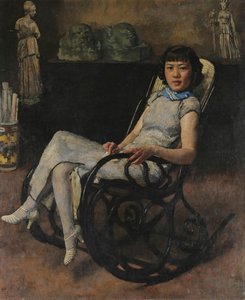
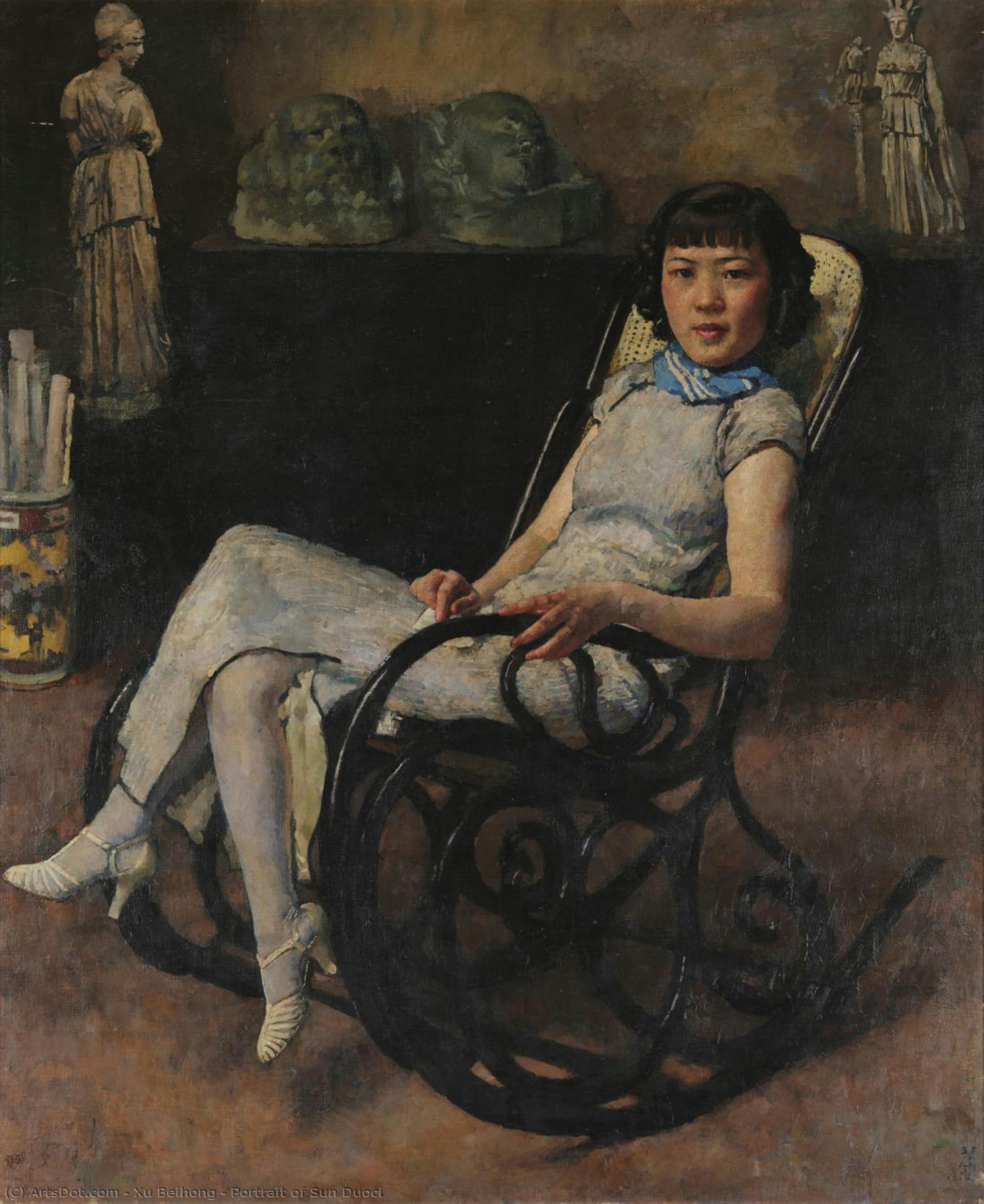
Portrait of Sun Duoci
 Oil On Canvas
- WallArt
- Social Realism
 1936
1936- Modern
 132.0 x 107.0 cm
 CAFA Art Museum
 Read More
Hand Made Oil Reproduction
Hand-painted oil on canvas in your size and frame, made to order by our artists. ( Buy Print Buy Image)




P118B $10

P118H $10

P118W $10

P438Z $10

P508JH $12

P508YH $12

P805H $10

P805Z $10

P919BZ $10

P919G $10

P919XJ $10

P959ZH $10

P968JZ $12

W106C $8

W218G $10

W218JH $8

W218Y $10

W307PJ $10

W316G $10

W316PJ $8

W316Y $10

W398PJ $8

W4111J $10

W500HY $15

W500JH $15

W692G $12

W849H $8

W940BG $15

W953PJ $8




Pick from our preset sizes that match the artwork's original proportions.

You may enter your own dimensions to fit a specific frame or space. If your selected size does not match the original image's proportions, we will either crop the artwork or extend the painting with additional hand-painted elements. A digital mockup will be sent for your approval before production begins.
Please note that the on-screen preview does not reflect the actual cropping or extension. Only the mockup will accurately show the final composition.
While custom sizes are available, we recommend selecting a dimension from the predefined list to preserve the original proportions.
After order, ArtsDot.com team will email client for instructions and provide a mockup preview
Worldwide Delivery () in 3/4 weeks instead of standard 5 weeks. (25 August). No compromise on quality.

Free Worldwide Express Shipping

High-Quality Linen Canvas

Full Shipping Insurance

Customs Tax Refund Guarantee

True Color Matching Guarantee

60-Day Return Policy (Defects Only)

100% Money-Back Guarantee

Bulk Discount Offer
 Glass option is only available in size under 110 CM

Portrait of Sun Duoci
Reproduction Medium
Reproduction Size
-


Total Price
$ 263
Artwork Description
A Symphony of Light and Soul: The Essence of Sun Duoci
In the quiet intimacy of a 1936 studio, Xu Beihong captured more than just a likeness; he immortalized a profound connection. The Portrait of Sun Duoci stands as a breathtaking testament to a moment when love and artistic revolution converged. As the viewer encounters this monumental canvas, they are immediately drawn into the serene gaze of Sun Duoci, a woman whose presence radiates a delicate balance of vulnerability and quiet strength. This is not merely a study of a sitter, but a window into a pivotal era of Chinese art history, where the boundaries between Eastern tradition and Western innovation were being courageously redrawn.
The composition is a masterclass in intentionality. Seated with a poised grace, Sun Duoci occupies the heart of the frame, her white dress and the soft blue of her scarf providing a luminous contrast to the rich, textured surroundings. Xu Beihong meticulously arranged his studio as a stage for this encounter; the presence of a Greek statue of Athena—a souvenir from his travels in Europe—and carefully placed vases speak to a cosmopolitan spirit. These elements serve as silent narrators, bridging the gap between the classical heritage of the West and the burgeoning modern identity of China.
The Mastery of Technique and the Impressionist Pulse
To behold this work is to witness the technical brilliance of an artist who refused to be bound by the rigid conventions of his time. Moving away from the traditional ink-wash methods that had long defined Chinese painting, Xu Beihong embraced the vibrant energy of plein air and Impressionistic techniques. His brushwork possesses a remarkable immediacy, capturing the subtle interplay of light and shadow across the fabric of the sitter's clothing and the depth of the background elements.
The artist’s ability to manipulate color and light creates an atmosphere that feels both ephemeral and eternal. There is a palpable texture to the paint, a sense of movement that breathes life into the still scene. For the discerning collector or interior designer, this technique offers a sophisticated layer of visual interest; the painting does not merely sit upon a wall but interacts with the ambient light of a room, offering new nuances with every passing hour. It is a piece that demands attention through its sheer painterly vitality and its ability to evoke the warmth of a sunlit afternoon.
A Legacy for the Modern Collector
Beyond its aesthetic splendor, the Portrait of Sun Duoci carries an emotional weight that resonates deeply with the contemporary soul. It tells a story of transition—of a nation finding its voice and an artist finding his medium. The painting serves as a bridge between worlds, making it an ideal centerpiece for spaces that value cultural depth and historical narrative. Whether placed in a grand gallery or a curated private study, this work inspires contemplation on the nature of beauty, the endurance of love, and the transformative power of art.
Owning a high-quality reproduction of this masterpiece allows one to bring this piece of history into the modern home. It offers an opportunity to surround oneself with the spirit of Xu Beihong’s revolution, providing a sophisticated focal point that speaks of elegance, intellect, and an appreciation for the profound intersections of global culture.
Related Artworks
Artist Biography
A Pioneer Bridging Worlds: The Life and Art of Xu Beihong
Xu Beihong, born Xu Shoukang in 1895 in the tranquil town of Yixing, Jiangsu province, stands as a monumental figure in 20th-century Chinese art. His life was a compelling narrative of artistic evolution, dedicated to forging a new path for Chinese painting—one that harmoniously blended the rich traditions of his homeland with the innovations of Western art. From humble beginnings steeped in classical learning and traditional brushwork under the tutelage of his father, Xu Dazhang, a struggling artist himself, young Beihong’s early life was marked by both artistic promise and economic hardship. This formative period instilled within him not only technical skill but also a deep appreciation for Chinese culture and a resilient spirit that would define his career. The family's itinerant existence, painting portraits and landscapes to make ends meet, exposed him to the realities of rural China and fueled an early ambition to elevate the status of art and artists. A pivotal moment arrived when he adopted the name “Beihong,” meaning "sad wild goose," a reflection perhaps of his youthful anxieties and aspirations.The European Awakening: Forging a New Artistic Vision
Driven by a thirst for knowledge and a desire to modernize Chinese art, Xu Beihong embarked on a transformative journey to Europe in 1917. Initially studying in Tokyo, he soon secured a coveted scholarship to the prestigious École Nationale Supérieure des Beaux-Arts in Paris. This period proved crucial in shaping his artistic philosophy and technique. Immersed in the heart of European art, he meticulously studied oil painting and drawing, mastering Western principles of perspective, composition, and realism. While embracing these new techniques, Xu Beihong remained critical of certain modernist trends prevalent at the time, favoring instead the classical traditions he encountered. He adopted the French name "Ju Péon" during his stay, a testament to his immersion in European culture. However, it was not merely technical skill that he sought; he aimed to understand the underlying principles of Western art and adapt them to revitalize Chinese painting—a vision articulated in his later writings and teachings. This period laid the foundation for his unique artistic style, characterized by a powerful synthesis of Eastern aesthetics and Western techniques.Iconic Motifs and Artistic Style: A Synthesis of East and West
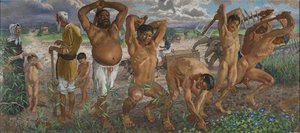
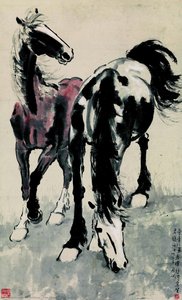
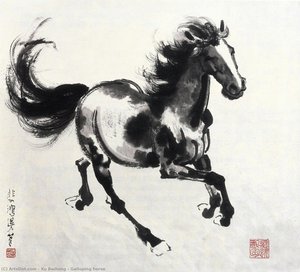
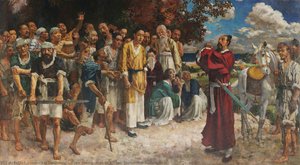
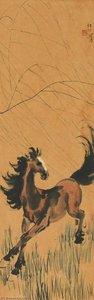
Upon returning to China in 1927, Xu Beihong embarked on a prolific career marked by groundbreaking works that captured the spirit of a nation undergoing profound change. He quickly became renowned for his dynamic depictions of horses and birds—motifs that transcended mere representation to become powerful symbols of strength, freedom, and national pride. His horses, in particular, are celebrated for their muscularity, energy, and expressive power, often depicted galloping across vast landscapes with a sense of untamed spirit. Galloping Horse, perhaps his most iconic work, embodies this perfectly—a testament to the vitality and resilience of the Chinese people. Beyond these signature subjects, Xu Beihong also excelled in portraiture and historical painting, demonstrating his mastery of both oil painting and traditional ink wash techniques. His style was characterized by a unique blend of bold brushstrokes, precise delineation, and a masterful command of light and shadow. He seamlessly integrated Western perspective and composition into the fluidity of Chinese brushwork, creating a visual language that was both innovative and deeply rooted in tradition. Foolish Old Man Who Removed the Mountains, inspired by a traditional Chinese fable, exemplifies his ability to imbue classical themes with modern energy and social commentary.Legacy and Influence: Shaping Modern Chinese Art Education
Xu Beihong’s impact extended far beyond his own artistic creations; he was also a pioneering art educator who profoundly shaped the development of modern Chinese art education. After returning to China, he held teaching positions at several prestigious universities, including National Central University and Peking University, where he tirelessly advocated for curriculum reform. He championed the incorporation of Western sketching and oil painting techniques into traditional Chinese art programs, believing that this integration was essential for revitalizing Chinese artistic expression. Following the founding of the People's Republic of China in 1949, he became president of the Central Academy of Fine Arts and chairman of the China Artists Association, further solidifying his influence on the nation’s artistic landscape. He trained generations of artists who went on to become leading figures in Chinese art, carrying forward his vision of a modern yet culturally grounded aesthetic. Xu Beihong's emphasis on artistic conception, the importance of life experiences, and the integration of Eastern and Western traditions left an indelible mark on Chinese art history, cementing his legacy as one of its most influential figures. His work continues to inspire artists and captivate audiences worldwide, serving as a powerful reminder of the enduring power of art to bridge cultures and transcend boundaries.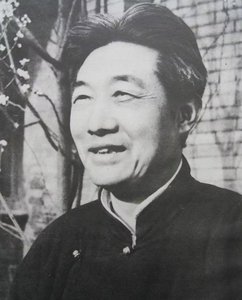
Xu Beihong
1895 - 1953 , China
Quick Facts
- Artistic Movement Or Style: Modern Chinese painting
- Artists Or Movements Influenced By This Artist: ['Modern Chinese artists']
- Date Of Birth: July 19, 1895
- Date Of Death: September 26, 1953
- Full Name: Xu Beihong
- Nationality: Chinese
- Notable Artworks:
- Galloping Horse
- Foolish Old Man...
- Mother and Daughter
- Portrait of Xu
- HORSE
- Place Of Birth: Yixing, China
Related Articles

Impressionism's Masterpieces: 10 Paintings That Defined a Movement | ArtsDot
Journey through Impressionism's heart with 10 iconic paintings by Monet, Renoir & Degas. Explore light, color & the stories behind these masterpieces. Find museum-quality art reproductions and elevate your home decor on ArtsDot.com.
Beyond Light & Color: Impressionism vs. Post-Impressionism for the Discerning Collector
Explore the nuances of Impressionism & Post-Impressionism with . Expert insights for collectors on style, investment, and acquiring museum-quality reproductions.

Cézanne's Masterpieces: 25 Iconic Artworks to Transform Your Space
Journey through 25 iconic artworks by Paul Cézanne – a master of Impressionism and Post-Impressionism. Explore his landscapes, still lifes, and the stories behind these timeless masterpieces. Discover museum-quality reproductions & curated decor at ArtsDot.com.
Xie Zhiliu: A Legacy of Ink Wash Painting & Modern Chinese Literati Tradition
Explore the legacy of Xie Zhiliu, a master of Chinese ink wash painting & prominent figure in modern art. Discover his techniques, influences, and contributions to literati tradition. A guide for discerning collectors.
Beyond Impressionism: Exploring the Emotional Depth of Post-Impressionist Painting
Explore the profound emotional depth & innovative techniques of Post-Impressionism with ArtsDot. Discover Cézanne, Van Gogh, Gauguin & more – and their lasting impact on modern art.