 Preview
 Send
Send Share
Share
 Details

 Download
 Similars
 X-Ray
X-Ray Diaporama
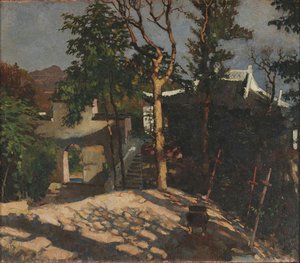
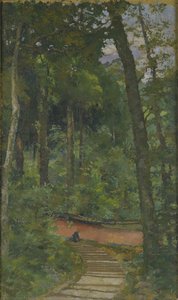
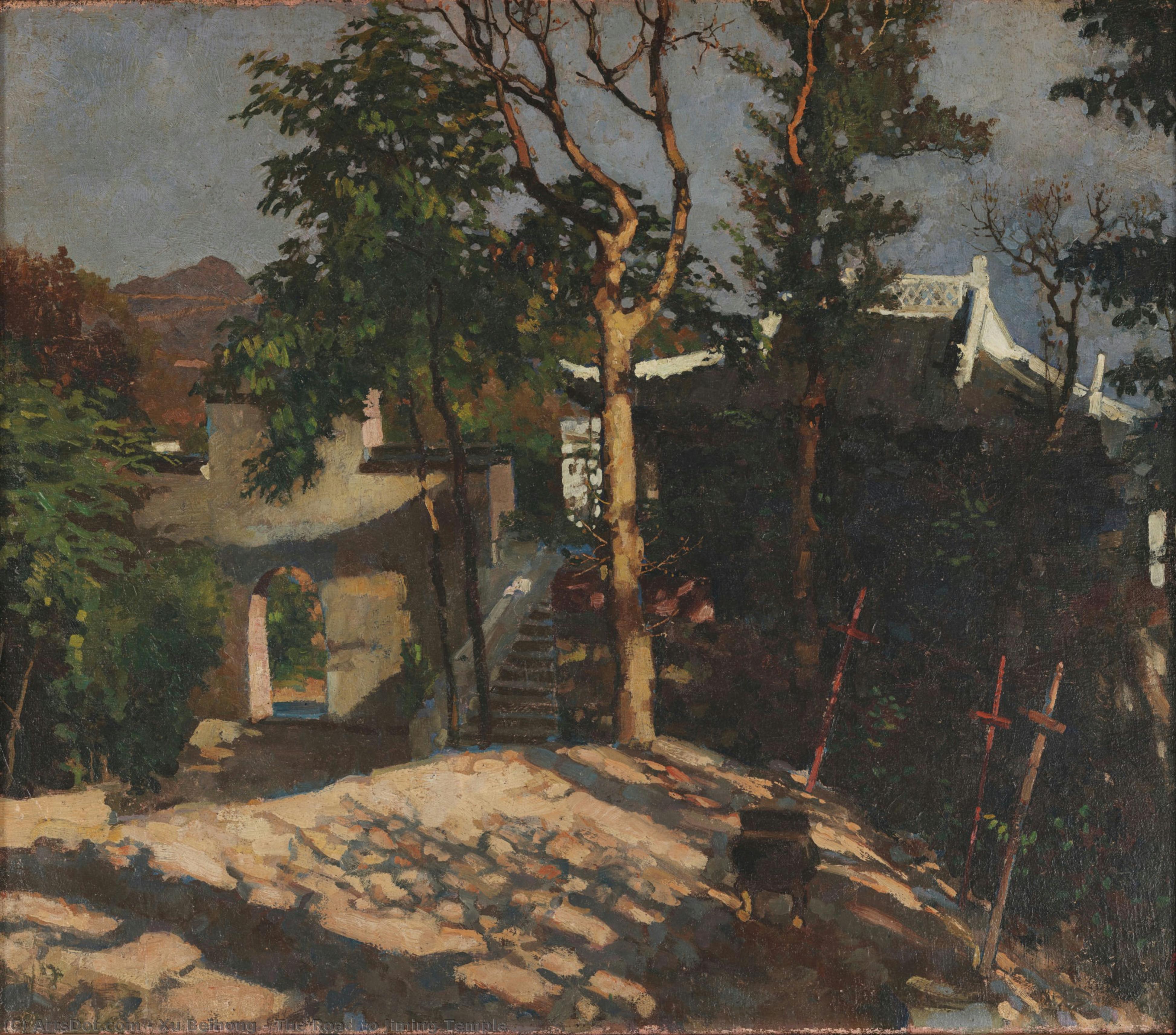
The Road to Jiming Temple
 Oil On Canvas
- WallArt
 1943
1943 66.0 x 77.0 cm
 CAFA Art Museum
 Read More
Hand Made Oil Reproduction
Hand-painted oil on canvas in your size and frame, made to order by our artists. ( Buy Print Buy Image)




P118B $10

P118H $10

P118W $10

P438Z $10

P508JH $12

P508YH $12

P805H $10

P805Z $10

P919BZ $10

P919G $10

P919XJ $10

P959ZH $10

P968JZ $12

W106C $8

W218G $10

W218JH $8

W218Y $10

W307PJ $10

W316G $10

W316PJ $8

W316Y $10

W398PJ $8

W4111J $10

W500HY $15

W500JH $15

W692G $12

W849H $8

W940BG $15

W953PJ $8




Pick from our preset sizes that match the artwork's original proportions.

You may enter your own dimensions to fit a specific frame or space. If your selected size does not match the original image's proportions, we will either crop the artwork or extend the painting with additional hand-painted elements. A digital mockup will be sent for your approval before production begins.
Please note that the on-screen preview does not reflect the actual cropping or extension. Only the mockup will accurately show the final composition.
While custom sizes are available, we recommend selecting a dimension from the predefined list to preserve the original proportions.
After order, ArtsDot.com team will email client for instructions and provide a mockup preview
Worldwide Delivery () in 3/4 weeks instead of standard 5 weeks. (16 August). No compromise on quality.

Free Worldwide Express Shipping

High-Quality Linen Canvas

Full Shipping Insurance

Customs Tax Refund Guarantee

True Color Matching Guarantee

60-Day Return Policy (Defects Only)

100% Money-Back Guarantee

Bulk Discount Offer
 Glass option is only available in size under 110 CM

The Road to Jiming Temple
Reproduction Medium
Reproduction Size
-


Total Price
$ 263
Artwork Description
The Road to Jiming Temple: A Journey Through Time and Spirit
Xu Beihong’s “The Road to Jiming Temple” is more than just a depiction of a mountain village; it's a vibrant window into 1943 China, a testament to the artist’s unique vision, and a poignant reflection on tradition and modernity. Painted during a period of immense upheaval and transformation, this oil-on-canvas masterpiece captures not only the physical landscape but also the spirit of a nation navigating its identity. The scene unfolds with remarkable detail – a winding path ascending through lush greenery, leading to the venerable Jiming Temple nestled amongst the peaks. The composition immediately draws the viewer in, inviting them on a silent journey alongside the figures traversing the road.
Beihong’s artistic style is instantly recognizable—a masterful blend of Chinese ink painting techniques and Western realism. He eschewed purely academic approaches, instead prioritizing dynamic brushwork and a bold sense of perspective. Notice how he utilizes loose, expressive strokes to convey the texture of the mountains, the rustle of leaves, and the movement of the figures. This technique, honed through years of study in Paris, allows for an immediacy and vitality rarely found in traditional Chinese landscape painting. The color palette is rich and earthy—deep greens, browns, and ochres dominate, creating a sense of warmth and tranquility despite the rugged terrain. The use of light and shadow further enhances the depth and realism of the scene, guiding the viewer’s eye through the composition.
A Temple Steeped in History
Jiming Temple itself holds immense significance within Nanjing's cultural heritage. Founded during the Western Jin Dynasty (265-317 AD), it stands as one of the oldest Buddhist temples in the city, a repository of centuries of spiritual practice and artistic patronage. Its history is intertwined with numerous dynasties and political shifts, reflecting China’s complex past. The temple's enduring presence speaks to its resilience and continued importance within the local community. Beihong’s painting serves as a visual tribute to this venerable institution, capturing its serene beauty and timeless appeal.
The choice of Jiming Temple as the subject is particularly revealing. Built in the Western Jin Dynasty, it represents a connection to China's ancient past – a deliberate nod to tradition amidst the rapid changes occurring during Beihong’s time. The temple’s longevity symbolizes continuity and stability, offering a counterpoint to the turmoil of war and political upheaval that characterized 1943 China. The painting subtly suggests a longing for these foundational values within a rapidly modernizing nation.
Xu Beihong: Bridging Worlds
Understanding Xu Beihong’s artistic journey is crucial to appreciating “The Road to Jiming Temple.” Born in 1895, he was a pioneer who sought to synthesize Eastern and Western artistic traditions. His early training in classical Chinese painting instilled within him a deep respect for brushwork, composition, and the spiritual essence of art. However, his time in Paris exposed him to European techniques—particularly oil painting—which he skillfully integrated into his own style. This fusion resulted in a uniquely powerful visual language that resonated with both local audiences and international critics.
Beihong’s biography reveals a man deeply committed to promoting Chinese art on the world stage. He actively sought opportunities to exhibit his work abroad, fostering cross-cultural understanding and challenging Western perceptions of Chinese art. His dedication to preserving and revitalizing traditional techniques while embracing modern approaches cemented his legacy as one of China's most influential artists of the 20th century. His life story is a testament to the power of artistic innovation and cultural exchange.
Symbolism and Emotional Resonance
Beyond its technical brilliance, “The Road to Jiming Temple” is rich in symbolic meaning. The winding path represents the journey of life—a progression towards enlightenment and spiritual fulfillment. The figures traversing the road symbolize humanity’s collective quest for meaning and purpose. The temple itself serves as a beacon of hope and stability amidst the uncertainties of the world. The inclusion of horses and people further emphasizes the connection between humans and nature, reflecting a core value in Chinese philosophy.
Looking at this painting today, one can’t help but feel a sense of quiet contemplation and profound beauty. It evokes a feeling of serenity, reminding us of the enduring power of tradition and the importance of seeking spiritual guidance. “The Road to Jiming Temple” is not merely a landscape; it's an invitation—an invitation to reflect on our own journeys, to appreciate the richness of Chinese culture, and to find solace in the timeless beauty of art.
Related Artworks
Artist Biography
A Pioneer Bridging Worlds: The Life and Art of Xu Beihong
Xu Beihong, born Xu Shoukang in 1895 in the tranquil town of Yixing, Jiangsu province, stands as a monumental figure in 20th-century Chinese art. His life was a compelling narrative of artistic evolution, dedicated to forging a new path for Chinese painting—one that harmoniously blended the rich traditions of his homeland with the innovations of Western art. From humble beginnings steeped in classical learning and traditional brushwork under the tutelage of his father, Xu Dazhang, a struggling artist himself, young Beihong’s early life was marked by both artistic promise and economic hardship. This formative period instilled within him not only technical skill but also a deep appreciation for Chinese culture and a resilient spirit that would define his career. The family's itinerant existence, painting portraits and landscapes to make ends meet, exposed him to the realities of rural China and fueled an early ambition to elevate the status of art and artists. A pivotal moment arrived when he adopted the name “Beihong,” meaning "sad wild goose," a reflection perhaps of his youthful anxieties and aspirations.The European Awakening: Forging a New Artistic Vision
Driven by a thirst for knowledge and a desire to modernize Chinese art, Xu Beihong embarked on a transformative journey to Europe in 1917. Initially studying in Tokyo, he soon secured a coveted scholarship to the prestigious École Nationale Supérieure des Beaux-Arts in Paris. This period proved crucial in shaping his artistic philosophy and technique. Immersed in the heart of European art, he meticulously studied oil painting and drawing, mastering Western principles of perspective, composition, and realism. While embracing these new techniques, Xu Beihong remained critical of certain modernist trends prevalent at the time, favoring instead the classical traditions he encountered. He adopted the French name "Ju Péon" during his stay, a testament to his immersion in European culture. However, it was not merely technical skill that he sought; he aimed to understand the underlying principles of Western art and adapt them to revitalize Chinese painting—a vision articulated in his later writings and teachings. This period laid the foundation for his unique artistic style, characterized by a powerful synthesis of Eastern aesthetics and Western techniques.Iconic Motifs and Artistic Style: A Synthesis of East and West
Upon returning to China in 1927, Xu Beihong embarked on a prolific career marked by groundbreaking works that captured the spirit of a nation undergoing profound change. He quickly became renowned for his dynamic depictions of horses and birds—motifs that transcended mere representation to become powerful symbols of strength, freedom, and national pride. His horses, in particular, are celebrated for their muscularity, energy, and expressive power, often depicted galloping across vast landscapes with a sense of untamed spirit. Galloping Horse, perhaps his most iconic work, embodies this perfectly—a testament to the vitality and resilience of the Chinese people. Beyond these signature subjects, Xu Beihong also excelled in portraiture and historical painting, demonstrating his mastery of both oil painting and traditional ink wash techniques. His style was characterized by a unique blend of bold brushstrokes, precise delineation, and a masterful command of light and shadow. He seamlessly integrated Western perspective and composition into the fluidity of Chinese brushwork, creating a visual language that was both innovative and deeply rooted in tradition. Foolish Old Man Who Removed the Mountains, inspired by a traditional Chinese fable, exemplifies his ability to imbue classical themes with modern energy and social commentary.Legacy and Influence: Shaping Modern Chinese Art Education
Xu Beihong’s impact extended far beyond his own artistic creations; he was also a pioneering art educator who profoundly shaped the development of modern Chinese art education. After returning to China, he held teaching positions at several prestigious universities, including National Central University and Peking University, where he tirelessly advocated for curriculum reform. He championed the incorporation of Western sketching and oil painting techniques into traditional Chinese art programs, believing that this integration was essential for revitalizing Chinese artistic expression. Following the founding of the People's Republic of China in 1949, he became president of the Central Academy of Fine Arts and chairman of the China Artists Association, further solidifying his influence on the nation’s artistic landscape. He trained generations of artists who went on to become leading figures in Chinese art, carrying forward his vision of a modern yet culturally grounded aesthetic. Xu Beihong's emphasis on artistic conception, the importance of life experiences, and the integration of Eastern and Western traditions left an indelible mark on Chinese art history, cementing his legacy as one of its most influential figures. His work continues to inspire artists and captivate audiences worldwide, serving as a powerful reminder of the enduring power of art to bridge cultures and transcend boundaries.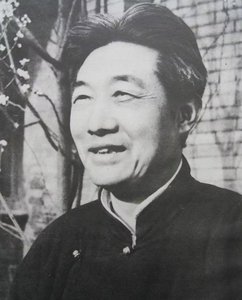
Xu Beihong
1895 - 1953 , China
Quick Facts
- Artistic Movement Or Style: Modern Chinese painting
- Artists Or Movements Influenced By This Artist: ['Modern Chinese artists']
- Date Of Birth: July 19, 1895
- Date Of Death: September 26, 1953
- Full Name: Xu Beihong
- Nationality: Chinese
- Notable Artworks:
- Galloping Horse
- Foolish Old Man...
- Mother and Daughter
- Portrait of Xu
- HORSE
- Place Of Birth: Yixing, China
Related Articles

The Enduring Legacy of Oil on Canvas: Technique, History & Aesthetic Impact
Explore the rich history & techniques of oil painting – from Renaissance masters to Impressionism. Discover pigments, layering methods, and why this timeless medium endures. Expert insights for artists & art enthusiasts.

Oil on Canvas: A Historical & Technical Exploration of a Timeless Artistic Medium
Explore the rich history & enduring techniques of oil painting on canvas. Discover the science behind its longevity, conservation practices, and contemporary relevance. Expert insights for art enthusiasts.

The Enduring Power of Painting: A Historical & Contemporary Exploration of Form and Emotion
Explore the rich history & enduring techniques of oil painting with ArtsDot. Discover masterpieces, learn about art collecting, and find authentic handmade reproductions crafted by skilled artists.

The Enduring Legacy of Oil on Canvas: Technique, History & Contemporary Practice
Explore the rich history & enduring techniques of oil painting on canvas. Discover the science behind its longevity, conservation practices, and contemporary relevance. Expert insights for art enthusiasts.
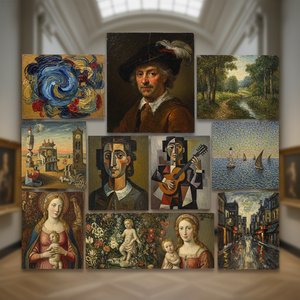
Oil on Board Masters: 10 Paintings That Redefined Art | ArtsDot
Explore 10 legendary 'Oil on Board' masterpieces by Van Gogh, Monet & more! Discover art history, iconic styles like Impressionism, and find museum-quality reproductions to elevate your home decor. Explore the full collection online at ArtsDot.com.