

 Preview
 Send
Send Share
Share
 Details

 Download
 Similars
 X-Ray
X-Ray Diaporama
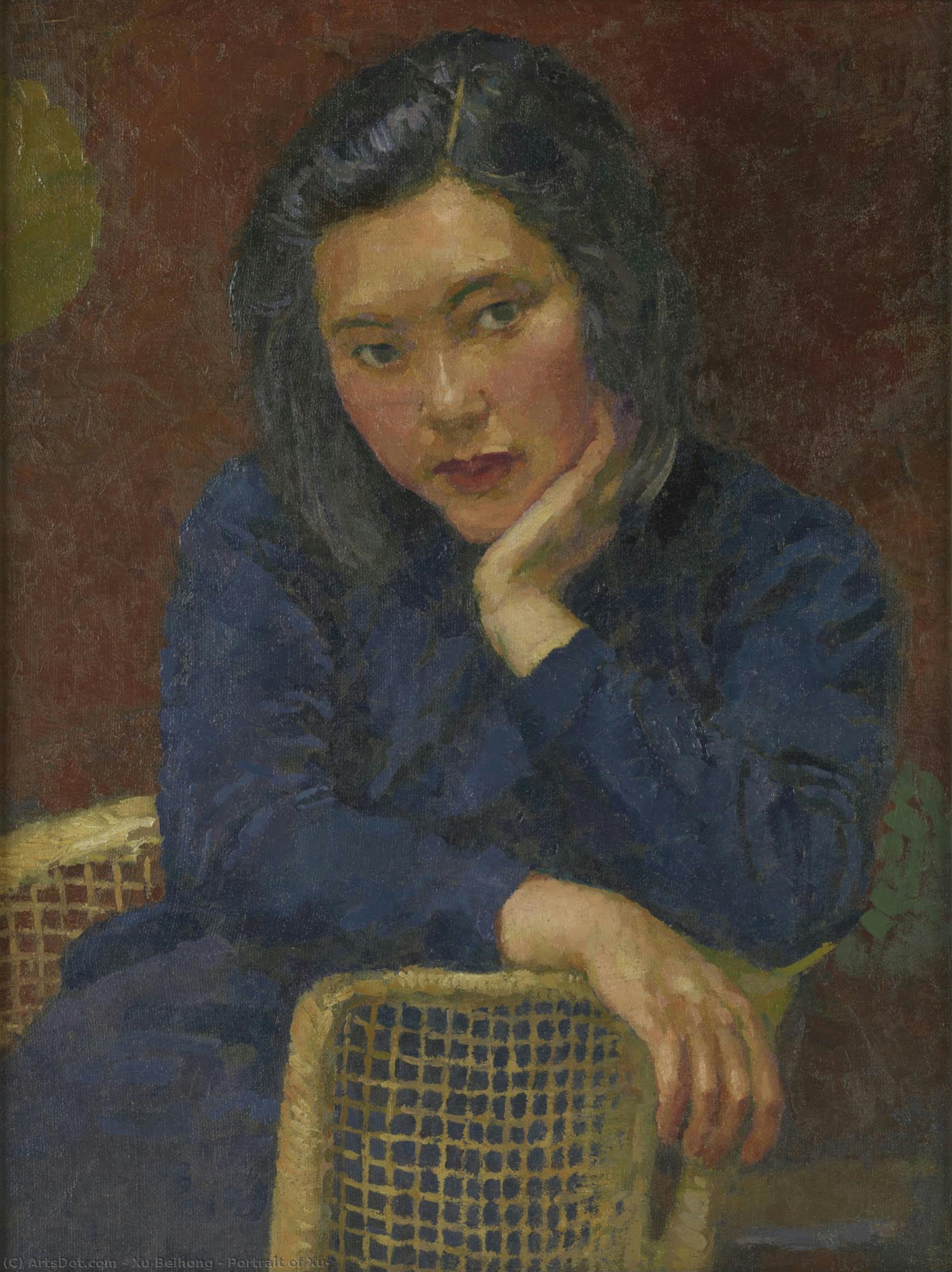
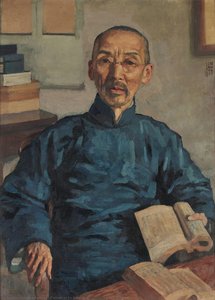
Portrait of Xu
 Oil On Canvas
- WallArt
- Contemporary Realism
 1943
1943 62.0 x 48.0 cm
 CAFA Art Museum
 Read More
Purchase a high-resolution, enhanced digital image, far superior to the online preview.
Each file is meticulously prepared by our in-house specialists using advanced tools and expert manual retouching. We ensure every image has exceptional clarity, precise color accuracy, and fine detail.
The final file is delivered via email within 72 hours, optimized for immediate use in professional, editorial, and print environments. This is the same quality trusted by top-tier design studios, publishers, and galleries.
Digital Image
Download a high-resolution file for personal display, printing, and creative projects. ( Buy Print Buy Hand Made Painting)
Included in Every Digital Image Order
Expert Digital Delivery, Guaranteed
When you choose ArtsDot.com, you're not just getting an image - you're receiving a professionally enhanced digital artwork, crafted with precision and backed by a satisfaction guarantee. Here's everything that comes with your order, automatically:

Fast Email Delivery
Your high-resolution digital image file will be emailed to you within 72 hours of ordering - ready for immediate use.

AI-Enhanced Digital File
Your artwork is professionally optimized using advanced AI tools and manual editing, ensuring maximum detail, clarity, and color accuracy.

Free Lifetime Re-Delivery
Accidentally deleted or lost your file? No worries - we'll resend it to you anytime, free of charge.

No Import Fees - Ever
Enjoy your artwork instantly with zero customs, duties, or delivery fees - digital downloads are always tax-free.

Color Accuracy Guarantee
We ensure your digital image reflects the original colors as closely as possible using professional tools and color management.

60-Day Satisfaction Guarantee
If you're not satisfied with your digital image, we'll revise it or refund 100% within 60 days - no questions asked.

100% Money-Back Guarantee
Not satisfied? Get a full refund within 60 days of receiving your digital file - no questions asked.

Bulk Order Discounts
Buy 3 images, save 10% - Buy 5, save 15% - Buy 10+, save 20%. Great for creative projects, galleries, and agencies.
Collectible Description
A Window into a Soul: Unveiling Xu Beihong’s ‘Portrait of Xu’
Xu Beihong's “Portrait of Xu,” painted in 1943, isn’t merely a likeness; it’s a carefully constructed tableau brimming with quiet contemplation and the subtle power of suggestion. This oil painting, rendered on a canvas measuring 62 x 48 cm, offers a glimpse into the mind of a young woman – likely Xu Beihong's wife, Jingwen – captured in a moment of serene introspection. The work immediately draws the eye with its rich palette dominated by deep blues and muted reddish-browns, creating an atmosphere both intimate and slightly melancholic. It’s a piece that speaks volumes without uttering a single word, inviting viewers to linger and decipher the unspoken narrative held within its brushstrokes.
- The Figure: The subject is seated in a wicker chair, her posture relaxed yet dignified. Her gaze is directed slightly off-center, hinting at a thoughtful awareness of something beyond the immediate frame. Her hands are gently clasped, further reinforcing the impression of quiet contemplation.
- Brushwork and Technique: Beihong’s signature style—a masterful blend of Chinese ink painting traditions with Western realism—is vividly evident here. Thick impasto techniques build up layers of paint, creating a tactile surface that practically vibrates with texture. The brushstrokes are confident yet controlled, conveying both precision and an expressive quality.
- Color Palette: The dominant blues evoke feelings of serenity, wisdom, and perhaps even a touch of sadness. The reddish-brown background provides a grounding element, preventing the composition from feeling overly ethereal or dreamlike.
Echoes of Tradition and Modernity
To fully appreciate “Portrait of Xu,” it’s crucial to understand the context in which Beihong was working. Born in 1895, he navigated a pivotal moment in Chinese art history – the struggle to reconcile ancient traditions with the burgeoning influences of Western modernity. He initially trained in classical Chinese painting under his father, but later embraced oil painting and Western techniques, becoming one of the first Chinese artists to successfully integrate these diverse approaches. This piece exemplifies this synthesis perfectly; it’s a distinctly modern portrait rendered with a sensitivity to traditional compositional principles and color theory.
The painting's creation during World War II adds another layer of significance. China was embroiled in conflict, and Beihong sought to capture not just a likeness but also the spirit of resilience and quiet dignity that characterized the nation’s experience. The woman’s composure speaks volumes about inner strength amidst external turmoil.
Symbolism and Emotional Resonance
Beyond its technical merits, “Portrait of Xu” is rich in symbolic meaning. The pose—leaning her hand against her chin—is a classic gesture of contemplation, suggesting an active engagement with her thoughts and feelings. It’s a subtle invitation for the viewer to join her in this internal dialogue. The lighting, soft and diffused, illuminates her face and hands, drawing attention to her features while leaving the background somewhat shadowy, creating a sense of intimacy and privacy.
The painting's overall mood is one of quiet grace and understated beauty. It’s not a flamboyant or overtly dramatic portrait; rather, it’s a deeply personal and emotionally resonant work that invites viewers to connect with the subject on a human level. The subtle details—the texture of the wicker chair, the folds in her kimono—all contribute to this sense of realism and immediacy.
A Legacy Preserved: Reproductions and Beyond
ArtsDot offers high-quality reproductions of “Portrait of Xu,” allowing art lovers worldwide to experience the beauty and depth of Beihong’s masterpiece. Whether displayed in a private residence or a corporate setting, this painting will undoubtedly serve as a focal point, sparking conversation and evoking feelings of serenity and contemplation. Consider commissioning a custom reproduction on canvas or paper – a tangible reminder of this extraordinary work of art.
Related Artworks
Artist Biography
A Pioneer Bridging Worlds: The Life and Art of Xu Beihong
Xu Beihong, born Xu Shoukang in 1895 in the tranquil town of Yixing, Jiangsu province, stands as a monumental figure in 20th-century Chinese art. His life was a compelling narrative of artistic evolution, dedicated to forging a new path for Chinese painting—one that harmoniously blended the rich traditions of his homeland with the innovations of Western art. From humble beginnings steeped in classical learning and traditional brushwork under the tutelage of his father, Xu Dazhang, a struggling artist himself, young Beihong’s early life was marked by both artistic promise and economic hardship. This formative period instilled within him not only technical skill but also a deep appreciation for Chinese culture and a resilient spirit that would define his career. The family's itinerant existence, painting portraits and landscapes to make ends meet, exposed him to the realities of rural China and fueled an early ambition to elevate the status of art and artists. A pivotal moment arrived when he adopted the name “Beihong,” meaning "sad wild goose," a reflection perhaps of his youthful anxieties and aspirations.The European Awakening: Forging a New Artistic Vision
Driven by a thirst for knowledge and a desire to modernize Chinese art, Xu Beihong embarked on a transformative journey to Europe in 1917. Initially studying in Tokyo, he soon secured a coveted scholarship to the prestigious École Nationale Supérieure des Beaux-Arts in Paris. This period proved crucial in shaping his artistic philosophy and technique. Immersed in the heart of European art, he meticulously studied oil painting and drawing, mastering Western principles of perspective, composition, and realism. While embracing these new techniques, Xu Beihong remained critical of certain modernist trends prevalent at the time, favoring instead the classical traditions he encountered. He adopted the French name "Ju Péon" during his stay, a testament to his immersion in European culture. However, it was not merely technical skill that he sought; he aimed to understand the underlying principles of Western art and adapt them to revitalize Chinese painting—a vision articulated in his later writings and teachings. This period laid the foundation for his unique artistic style, characterized by a powerful synthesis of Eastern aesthetics and Western techniques.Iconic Motifs and Artistic Style: A Synthesis of East and West
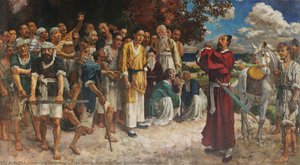
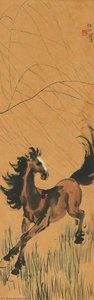
Upon returning to China in 1927, Xu Beihong embarked on a prolific career marked by groundbreaking works that captured the spirit of a nation undergoing profound change. He quickly became renowned for his dynamic depictions of horses and birds—motifs that transcended mere representation to become powerful symbols of strength, freedom, and national pride. His horses, in particular, are celebrated for their muscularity, energy, and expressive power, often depicted galloping across vast landscapes with a sense of untamed spirit. Galloping Horse, perhaps his most iconic work, embodies this perfectly—a testament to the vitality and resilience of the Chinese people. Beyond these signature subjects, Xu Beihong also excelled in portraiture and historical painting, demonstrating his mastery of both oil painting and traditional ink wash techniques. His style was characterized by a unique blend of bold brushstrokes, precise delineation, and a masterful command of light and shadow. He seamlessly integrated Western perspective and composition into the fluidity of Chinese brushwork, creating a visual language that was both innovative and deeply rooted in tradition. Foolish Old Man Who Removed the Mountains, inspired by a traditional Chinese fable, exemplifies his ability to imbue classical themes with modern energy and social commentary.Legacy and Influence: Shaping Modern Chinese Art Education
Xu Beihong’s impact extended far beyond his own artistic creations; he was also a pioneering art educator who profoundly shaped the development of modern Chinese art education. After returning to China, he held teaching positions at several prestigious universities, including National Central University and Peking University, where he tirelessly advocated for curriculum reform. He championed the incorporation of Western sketching and oil painting techniques into traditional Chinese art programs, believing that this integration was essential for revitalizing Chinese artistic expression. Following the founding of the People's Republic of China in 1949, he became president of the Central Academy of Fine Arts and chairman of the China Artists Association, further solidifying his influence on the nation’s artistic landscape. He trained generations of artists who went on to become leading figures in Chinese art, carrying forward his vision of a modern yet culturally grounded aesthetic. Xu Beihong's emphasis on artistic conception, the importance of life experiences, and the integration of Eastern and Western traditions left an indelible mark on Chinese art history, cementing his legacy as one of its most influential figures. His work continues to inspire artists and captivate audiences worldwide, serving as a powerful reminder of the enduring power of art to bridge cultures and transcend boundaries.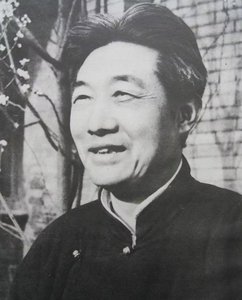
Xu Beihong
1895 - 1953 , China
Quick Facts
- Artistic Movement Or Style: Modern Chinese painting
- Artists Or Movements Influenced By This Artist: ['Modern Chinese artists']
- Date Of Birth: July 19, 1895
- Date Of Death: September 26, 1953
- Full Name: Xu Beihong
- Nationality: Chinese
- Notable Artworks:
- Galloping Horse
- Foolish Old Man...
- Mother and Daughter
- Portrait of Xu
- HORSE
- Place Of Birth: Yixing, China

