 Preview
 Send
Send Share
Share
 Details

 Download
 Similars
 X-Ray
X-Ray Diaporama
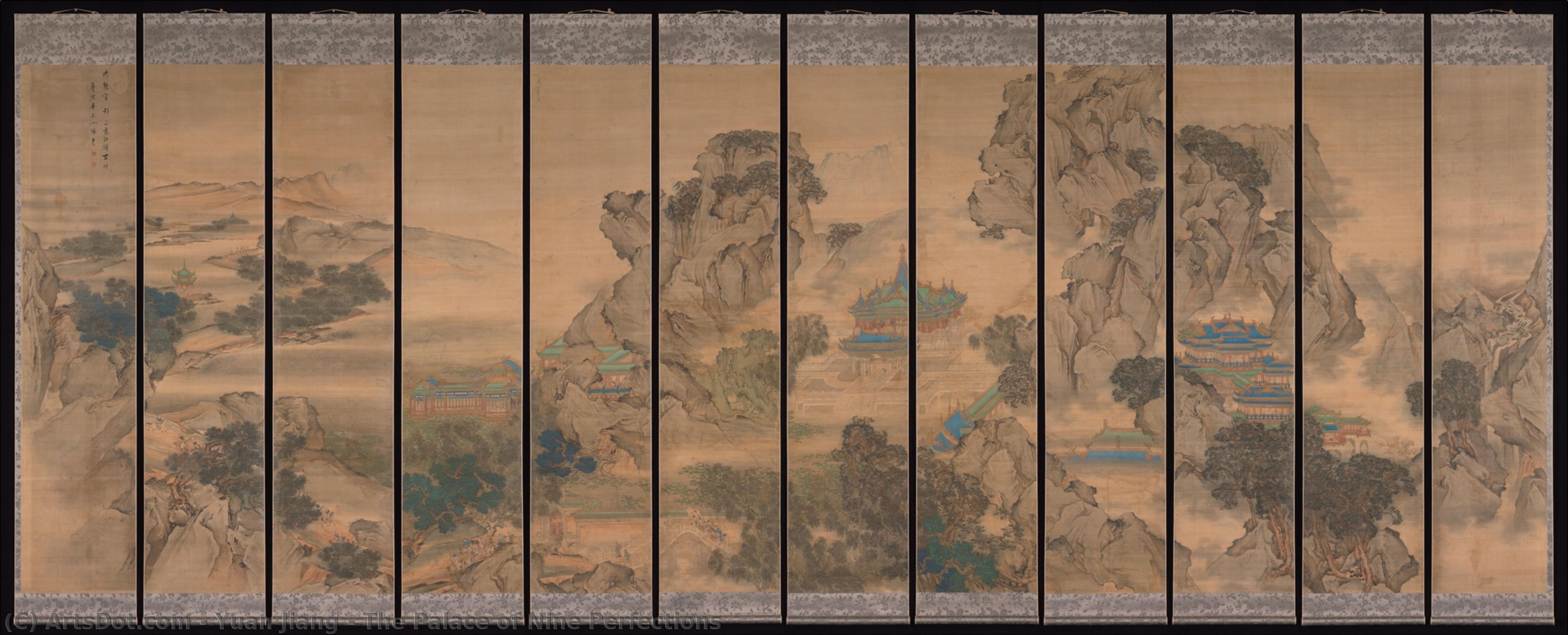
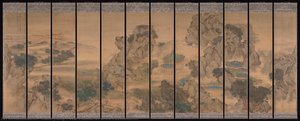
The Palace of Nine Perfections
 1691
1691 207.0 x 563.0 cm
 Read More
Hand Made Oil Reproduction
Hand-painted oil on canvas in your size and frame, made to order by our artists. ( Buy Print Buy Image)




































Pick from our preset sizes that match the artwork's original proportions.

You may enter your own dimensions to fit a specific frame or space. If your selected size does not match the original image's proportions, we will either crop the artwork or extend the painting with additional hand-painted elements. A digital mockup will be sent for your approval before production begins.
Please note that the on-screen preview does not reflect the actual cropping or extension. Only the mockup will accurately show the final composition.
While custom sizes are available, we recommend selecting a dimension from the predefined list to preserve the original proportions.
After order, ArtsDot.com team will email client for instructions and provide a mockup preview
Worldwide Delivery () in 3/4 weeks instead of standard 5 weeks. (27 August). No compromise on quality.

Free Worldwide Express Shipping

High-Quality Linen Canvas

Full Shipping Insurance

Customs Tax Refund Guarantee

True Color Matching Guarantee

60-Day Return Policy (Defects Only)

100% Money-Back Guarantee

Bulk Discount Offer
 Glass option is only available in size under 110 CM

The Palace of Nine Perfections
Reproduction Medium
Reproduction Size
-


Total Price
$ 263
Artwork Description
Related Artworks








Artist Biography
A Master of Imperial Visions: The Life and Art of Yuan Chiang
In the vibrant, prosperous landscape of 17th-century China, few names resonate with the meticulous elegance of Yuan Chiang (also known as Yuán Jiāng). Born around 1671 in the culturally rich city of Yangzhou, a coastal hub renowned for its artistic fervor, Yuan emerged from an established artistic lineage. His connection to the craft was deeply personal; his nephew, Yuan Yao, would also go on to achieve distinction in landscape painting, suggesting that the mastery of brush and ink was woven into the very fabric of his upbringing. This early immersion in the traditions of Jiangsu province provided him with a foundational understanding of the literati ideals—a philosophy where the act of painting serves as a profound meditation on the harmony between humanity and the natural world.
Yuan’s journey from the commercial vitality of Yangzhou to the hallowed halls of the imperial court marks one of the most significant ascents in Qing Dynasty art history. His talent caught the attention of the artistic elite, leading him to serve as an assistant to the celebrated painter Gao Qipei. This prestigious association eventually secured his place within the imperial palace during the Yongzheng era (1722–1735). As a painter-in-waiting, Yuan was not merely an observer but a chronicler of grandeur, tasked with documenting the magnificent imperial gardens and the ceremonial splendor that defined the reigns of the Kangxi, Yongzheng, and Qianlong emperors. His life became a bridge between the bustling mercantile energy of his native city and the refined, disciplined aesthetic of the Qing court.
The Architecture of Dreams: Technique and Style
What truly distinguishes Yuan Chiang from his contemporaries is his unparalleled command over jiehua, or "ruled-line painting." This specialized technique, which utilizes tools reminiscent of carpentry to achieve mathematical precision, allowed him to render architectural structures with an astonishing level of accuracy. His works often feature intricate visions of palatial complexes and garrets, where every tile, beam, and pavilion is depicted with such structural integrity that they appear almost buildable. This technical prowess was not merely a display of skill but a way to evoke the legendary grandeur of China's past, specifically drawing inspiration from the opulent Tang and Song dynasty prototypes.
Beyond the rigid lines of architecture, Yuan’s brushwork breathed life into the surrounding environments. He was a master of the "blue-and-green" landscape style, a method characterized by the use of vibrant mineral pigments that create a lush, otherworldly atmosphere. In his most celebrated compositions, such as The Palace of Nine Perfections, he weaves together architectural fantasy and natural beauty. These landscapes are often populated by seasonal shifts—the delicate bloom of plum blossoms or the quietude of mountain retreats—capturing not just a visual scene, but the very essence of atmospheric change. His ability to balance the structural rigidity of jiehua with the fluid, organic grace of bird-and-flower motifs created a stylistic tension that is both captivating and deeply emotive.
Legacy and Historical Significance
The historical significance of Yuan Chiang lies in his ability to cater to two vastly different worlds: the ostentatious, wealthy mercantile class of Yangzhou and the disciplined imperial court. For the merchants, he produced large-scale hanging scrolls and multi-paneled screens designed to decorate the lavish mansions of the city's elite, celebrating a lifestyle of material splendor and cultural aspiration. For the Emperor, he provided a window into a perfected, idealized realm—a Daoist paradise where the boundaries between the earthly and the divine were blurred.
Today, Yuan Chiang is remembered as a pivotal figure who helped define the aesthetic landscape of the Qing Dynasty. His work remains a testament to a period of immense artistic flourishing, characterized by:
- Technical Innovation: The perfection of the jiehua technique for architectural rendering.
- Cultural Synthesis: The blending of traditional literati philosophy with the decorative demands of imperial and commercial patronage.
- Historical Documentation: The preservation of a visual language that celebrated the grandeur of Chinese imperial gardens and classical architecture.
Through his meticulous attention to detail and his profound understanding of nature’s harmonies, Yuan Chiang ensured that his visions of palatial splendor and seasonal beauty would endure long after the dynasties he served had passed into history.
yüan chiang
China
Quick Facts
- Artistic Movement Or Style: Qing Dynasty Landscape Painting
- Artists Or Movements Influenced By This Artist: ['Gao Qipei']
- Artists Who Influenced This Artist: ['Li Yin']
- Date Of Birth: Yangzhou, China
- Date Of Death: Living
- Full Name: Yuan Chiang (Yuán Jiāng)
- Nationality: Chinese
- Notable Artworks:
- The Palace of Nine Perfections
- Landscapes of the Four Seasons
- Place Of Birth: Yangzhou, Jiangsu Province