 Preview
 Send
Send Share
Share
 Details

 Download
 Similars
 X-Ray
X-Ray Diaporama
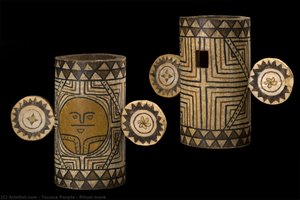
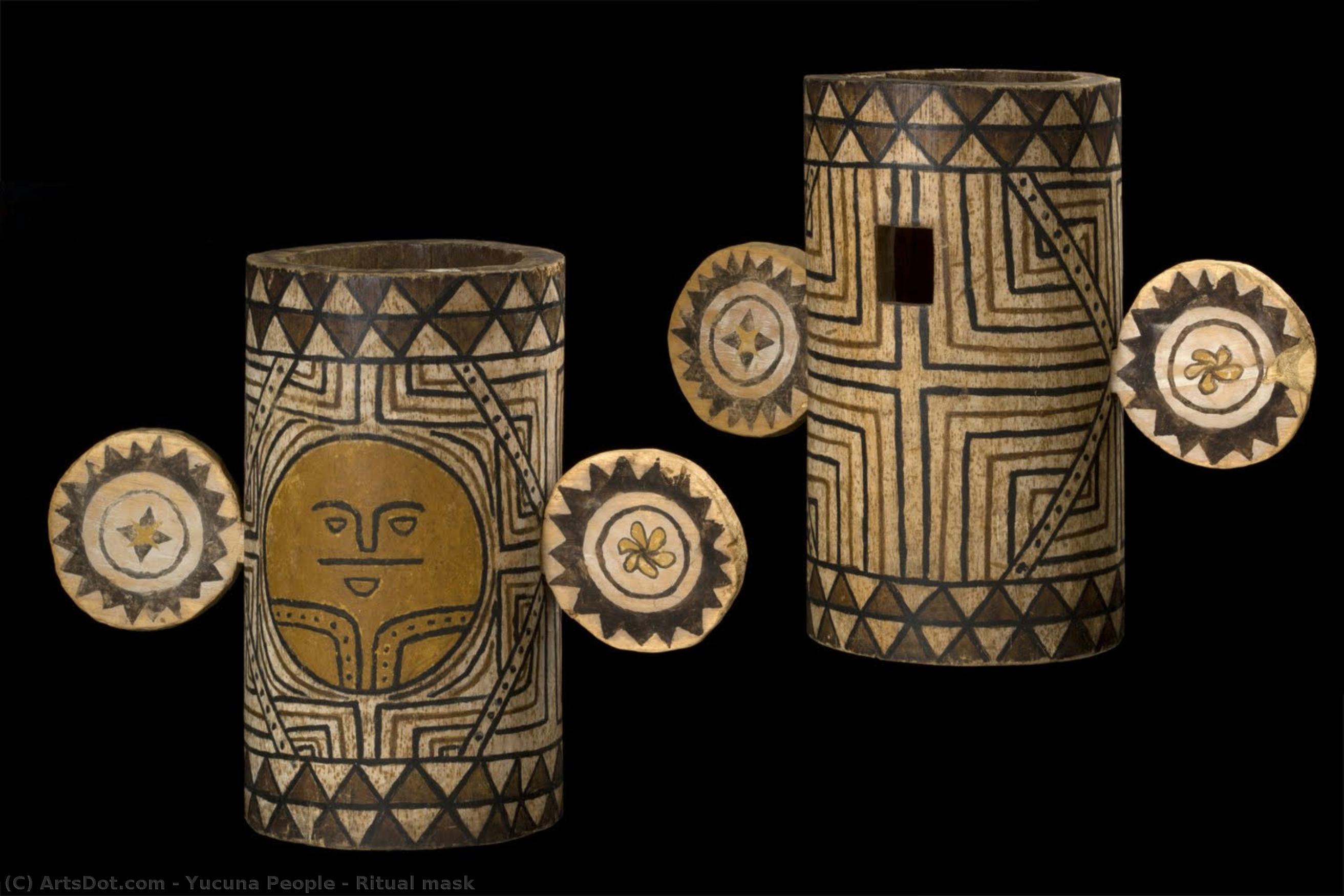
Ritual mask
 1960
1960 5.0 x 47.0 cm
 National Museum of Colombia
 Read More
Giclée / Art Print
Museum-quality giclée or canvas print with fast production and flexible finish options. ( Buy Hand Made Painting Buy Image)




































Pick from our preset sizes that match the artwork's original proportions.

You may enter your own dimensions to fit a specific frame or space. If your selected size does not match the original image's proportions, we will either crop the artwork or extend the image with a mirrored or solid-fill edge. A digital mockup will be sent for your approval before production begins.
Please note that the on-screen preview does not reflect the actual cropping or extension. Only the mockup will accurately show the final composition.
While custom sizes are available, we recommend selecting a dimension from the predefined list to preserve the original proportions.
Worldwide Delivery () in 2 weeks instead of standard 4/5 weeks. (31 August)

Free Worldwide Express Shipping

High-Quality Linen Canvas

Full Shipping Insurance

Customs Tax Refund Guarantee

True Color Matching Guarantee

60-Day Return Policy (Defects Only)

100% Money-Back Guarantee

Bulk Discount Offer
 Glass option is only available in size under 110 CM

Ritual mask
Giclée / Art Print
Reproduction Size
-


Total Price
$ 63
Related Artworks







Artist Biography
George Catlin: Chronicler of the American Frontier
George Catlin (1837 – 1914) stands as a singular figure in American art history, celebrated for his pioneering approach to depicting Native American cultures and landscapes during the mid-19th century. Born in Limestone Township, Pennsylvania, Catlin’s early life was marked by an itinerant upbringing—his father was a traveling salesman—which instilled in him a fascination with diverse peoples and environments. This formative experience profoundly shaped his artistic vision and fueled his unwavering commitment to documenting the vanishing traditions of North American tribes before European settlement irrevocably altered their way of life.- Early Influences: Catlin’s artistic sensibilities were nurtured by Romanticism, particularly the landscapes of Caspar David Friedrich and Eugène Delacroix. These artists championed sublime beauty—the awe-inspiring grandeur of nature—and Catlin adopted a similar ethos, believing that art should convey profound emotional responses to the natural world.
- The Pawnee Expedition (1863): Catlin’s most ambitious undertaking was his expedition to Nebraska Territory in 1863, where he meticulously documented the Pawnee tribe's rituals and daily life. He employed a revolutionary technique—the “Indian Gallery”—creating large-scale canvases that captured portraits of Pawnee chiefs alongside depictions of their ceremonial dances and hunting practices. This project garnered considerable acclaim and established Catlin as a leading advocate for Native American rights.
- The Gros Ventre Expedition (1867): Continuing his crusade to preserve Native American culture, Catlin embarked on another expedition to Montana Territory in 1867, focusing on the Gros Ventre tribe. He utilized theatrical lighting and elaborate costumes to dramatize tribal ceremonies, producing canvases that were both aesthetically striking and intellectually stimulating.
- Technique & Style: Catlin’s distinctive style—characterized by bold brushstrokes, vibrant colors, and stylized figures—was deliberately designed to convey emotion and grandeur. He eschewed realistic representation in favor of expressive abstraction, prioritizing the conveyance of spiritual significance over meticulous detail. His canvases are imbued with a palpable sense of dynamism and immediacy, capturing fleeting moments of ritualistic performance.
Major Achievements & Legacy
Catlin’s work transcended mere artistic endeavor; it served as an invaluable record of Native American life during a period of rapid transformation. His “Indian Gallery” captivated audiences across Europe and America alike, sparking debate about the ethics of ethnographic representation and prompting discussions regarding Indigenous rights. Furthermore, Catlin's canvases became foundational texts for understanding Native American culture and spirituality—inspiring generations of artists and scholars. Despite criticisms concerning his romanticized portrayal of Native Americans and occasional inaccuracies in his depictions, Catlin remains an iconic figure whose artistic vision continues to resonate with audiences today. His legacy extends beyond the realm of art, influencing anthropological scholarship and shaping perceptions of America’s indigenous peoples.Critical Reception & Historical Context
Contemporary critics acknowledged Catlin's innovative approach to portraiture and landscape painting but questioned his stylistic choices—particularly his deliberate simplification of forms and colors—arguing that they undermined the veracity of his depictions. Nevertheless, Catlin’s work gained considerable popularity during his lifetime, securing commissions from wealthy patrons and garnering favorable reviews in prominent publications. He skillfully navigated the complexities of Victorian aesthetics while simultaneously championing a cause for which many artists of his era remained silent: the defense of Native American autonomy and cultural preservation. Catlin's contribution to documenting Native American traditions stands as an enduring testament to the power of art as a tool for social commentary and historical record-keeping.Influence on Subsequent Artists
Catlin’s influence extended far beyond his immediate contemporaries, inspiring artists who embraced expressive abstraction and sought to convey spiritual grandeur. His bold palette and dynamic brushwork foreshadowed developments in Impressionism and Fauvism, demonstrating the enduring impact of his artistic innovations. Moreover, Catlin's advocacy for Native American rights resonated with later movements advocating for social justice and cultural diversity—solidifying his position as a pivotal figure in shaping the trajectory of American art history.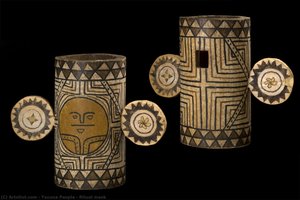
yucuna people
Colombia
Quick Facts
- Artistic Movement Or Style: Indigenous Amazon Art
- Full Name: Yucuna People
- Nationality: Colombian
- Notable Artworks: ['Bee Classification']
- Place Of Birth: Colombia