

 Preview
 Send
Send Share
Share
 Details

 Download
 Similars
 X-Ray
X-Ray Diaporama
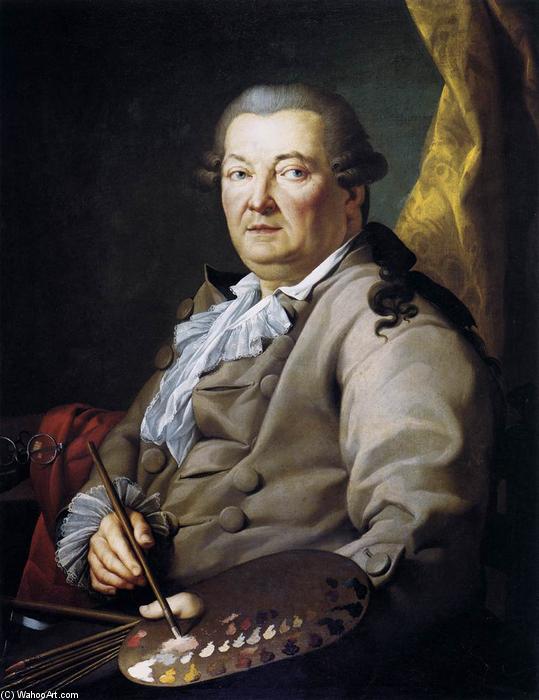
Self-Portrait
 Acrylic On Canvas
- WallArt
- Baroque Realism
 87.0 x 68.0 cm
 Museo del Prado
 Read More
Purchase a high-resolution, enhanced digital image, far superior to the online preview.
Each file is meticulously prepared by our in-house specialists using advanced tools and expert manual retouching. We ensure every image has exceptional clarity, precise color accuracy, and fine detail.
The final file is delivered via email within 72 hours, optimized for immediate use in professional, editorial, and print environments. This is the same quality trusted by top-tier design studios, publishers, and galleries.
Digital Image
Download a high-resolution file for personal display, printing, and creative projects. ( Buy Print Buy Hand Made Painting)
Included in Every Digital Image Order
Expert Digital Delivery, Guaranteed
When you choose ArtsDot.com, you're not just getting an image - you're receiving a professionally enhanced digital artwork, crafted with precision and backed by a satisfaction guarantee. Here's everything that comes with your order, automatically:

Fast Email Delivery
Your high-resolution digital image file will be emailed to you within 72 hours of ordering - ready for immediate use.

AI-Enhanced Digital File
Your artwork is professionally optimized using advanced AI tools and manual editing, ensuring maximum detail, clarity, and color accuracy.

Free Lifetime Re-Delivery
Accidentally deleted or lost your file? No worries - we'll resend it to you anytime, free of charge.

No Import Fees - Ever
Enjoy your artwork instantly with zero customs, duties, or delivery fees - digital downloads are always tax-free.

Color Accuracy Guarantee
We ensure your digital image reflects the original colors as closely as possible using professional tools and color management.

60-Day Satisfaction Guarantee
If you're not satisfied with your digital image, we'll revise it or refund 100% within 60 days - no questions asked.

100% Money-Back Guarantee
Not satisfied? Get a full refund within 60 days of receiving your digital file - no questions asked.

Bulk Order Discounts
Buy 3 images, save 10% - Buy 5, save 15% - Buy 10+, save 20%. Great for creative projects, galleries, and agencies.
Collectible Description
A Window into the Soul: Examining Zacarías González Velázquez’s Self-Portrait
Zacarías González Velázquez (1763 – 1834) stands as a cornerstone of Spanish Baroque painting, representing not merely an artistic achievement but also the final flourish of a stylistic tradition that had captivated Europe for decades. His legacy rests upon a singular ability to distill complex emotions and intellectual contemplation into visual form—a skill brilliantly demonstrated in his captivating Self-Portrait, executed around 1635. This artwork transcends mere likeness; it’s an intimate glimpse into the artist's psyche, reflecting both his professional dedication and a profound awareness of his own place within the grand narrative of artistic history.The Artist’s Studio: Setting the Stage for Reflection
The painting’s composition immediately establishes its significance as a study piece—a preparatory sketch intended for Velázquez’s monumental “Surrender of Breda,” commemorating a pivotal moment in the Eighty Years' War. Yet, this seemingly pragmatic undertaking belies a deeper purpose: to capture not just physical appearance but also the artist’s inner state. The darkened studio background serves as an effective foil to the luminous figure at its center, emphasizing his isolation and focusing attention on the task at hand—the act of painting itself. Curtains drape subtly in the upper right corner, reinforcing the sense of confinement and prompting contemplation about the creative process.Technical Mastery: Light and Shadow – The Language of Baroque Emotion
Velázquez’s technique exemplifies the hallmarks of Baroque artistry. He employs masterful chiaroscuro—the dramatic interplay between light and shadow—to sculpt the man's form with remarkable precision. Careful observation informs every brushstroke, resulting in a surface texture that conveys both solidity and softness simultaneously. The artist meticulously renders details such as the lace collar and cuffs of his shirt, highlighting the meticulous craftsmanship characteristic of aristocratic attire. Furthermore, Velázquez’s use of color is restrained yet purposeful, favoring muted tones to create an atmosphere of solemn seriousness—a deliberate choice designed to convey a sense of introspection and artistic contemplation.Symbolism Within Illusion: Exploring Identity and Artistic Purpose
Beyond its technical brilliance, the Self-Portrait resonates with symbolic meaning. The artist’s gaze directs outwards, suggesting a preoccupation with observation and understanding – qualities essential for both an accomplished painter and a humanist philosopher. His attire—a symbol of status and authority—underscores Velázquez's position within the artistic hierarchy of his time. More subtly, the inclusion of the palette itself speaks to the creative act—the artist’s engagement with materials and ideas as he strives to capture beauty and convey emotion. The painting is more than just a portrait; it’s an assertion of identity and a declaration of artistic vocation.A Legacy Illuminated: Velázquez's Influence on Romanticism
González Velázquez’s Self-Portrait represents a crucial bridge between Baroque grandeur and the burgeoning Romantic sensibility. While retaining the stylistic conventions of his predecessors, Velázquez subtly anticipates the emotional depth and expressive freedom that would define the Romantic movement. His ability to convey psychological nuance—a feat achieved through masterful observation and skillful manipulation of light—demonstrates an artistic vision that transcends mere representation, inviting viewers to engage with profound questions about human experience. This enduring masterpiece continues to inspire artists and collectors alike, securing Velázquez’s place as one of Spain's greatest painters and a visionary figure in the history of art.Related Artworks
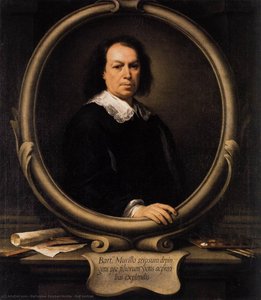
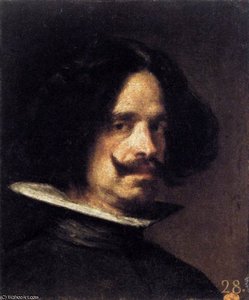
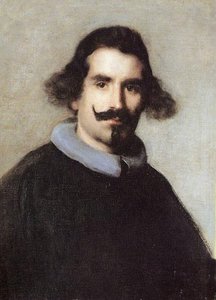
Artist Biography
Zacarías González Velázquez: A Maestro of Light and Emotion
Zacarías González Velázquez (1763 – 1834) stands as a pivotal figure in Spanish Baroque painting, embodying the culmination of artistic tradition while simultaneously embracing innovative techniques that foreshadowed Romanticism. Born into Madrid’s prominent González Velázquez family—a lineage steeped in artistic heritage—his upbringing instilled within him an unwavering dedication to mastering the craft of painting and profoundly shaped his artistic vision. His father, Antonio González Velázquez, was himself a celebrated painter, establishing Zacarías's early exposure to art and fostering a familial commitment to creative excellence. This influence extended beyond mere mentorship; it fostered a deep understanding of the historical context surrounding Baroque artistry—a period characterized by grandeur, religious fervor, and an obsession with capturing idealized beauty.- Early Training & Academic Foundations: Zacarías’s formal artistic education commenced at the Real Academia de Bellas Artes de San Fernando in 1782, where he honed his skills under Mariano Salvador Maella. This institution served as a crucible for shaping aspiring artists, emphasizing anatomical accuracy and mastering classical compositional principles—elements that would become hallmarks of Velázquez's oeuvre.
- Royal Commissions & Patronage: Immediately upon graduating, Zacarías secured prestigious commissions from the Spanish monarchy, notably decorating several opulent rooms within El Pardo Palace with mythological scenes. These projects demanded meticulous attention to detail and showcased his ability to convey complex narratives through visual imagery—skills that cemented his reputation as a court artist of distinction.
- Architectural Contributions: Beyond painting, Velázquez’s talents extended into architectural design, particularly evident in his involvement with the Toledo Cathedral and the Jerónimos Monastery. His designs incorporated classical elements while skillfully integrating them with regional traditions—demonstrating versatility and a profound appreciation for artistic synthesis.
- Notable Paintings: Among his most celebrated works are “Columbus” (1803), depicting Christopher Columbus’s arrival in America—a monumental canvas imbued with symbolic grandeur and conveying the spirit of exploration. Similarly, “The Miracle of Saint Casimir,” portraying a miraculous healing event attributed to Saint Casimir—demonstrates Velázquez's ability to convey religious fervor through nuanced observation and expressive brushwork.
- Influence & Legacy: Zacarías González Velázquez’s artistic legacy continues to inspire artists today. His pioneering use of chiaroscuro, coupled with his unwavering commitment to realism, established him as a cornerstone of Spanish Baroque art—a tradition that profoundly impacted subsequent generations of painters and solidified his place among the greatest masters of his era.
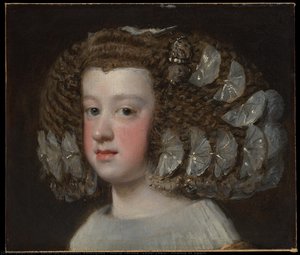
zacarías gonzález velázquez
1763 - 1834
Quick Facts
- Artistic Movement Or Style: Baroque
- Artists Or Movements Influenced By This Artist: ['Neoclassicism']
- Artists Who Influenced This Artist: ['Antonio González Velázquez']
- Date Of Birth: 1763
- Date Of Death: 1834
- Full Name: Zacarías González Velázquez
- Nationality: Spanish
- Notable Artworks:
- Columbus
- Portrait of Ferdinand VII
- Portrait of Maria Luisa of Parma
- The Miracle of Saint Casimir
- Young Girl
- Place Of Birth: Madrid, Spain

