 Preview
 Send
Send Share
Share
 Details

 Download
 Similars
 X-Ray
X-Ray Diaporama
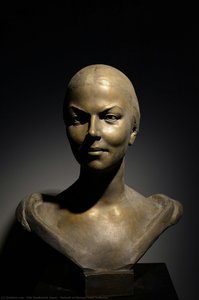
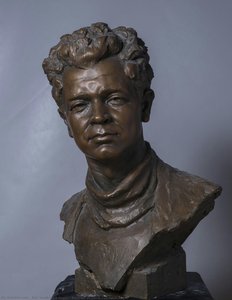
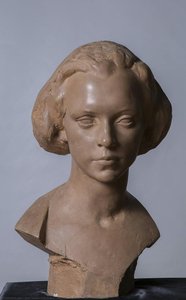
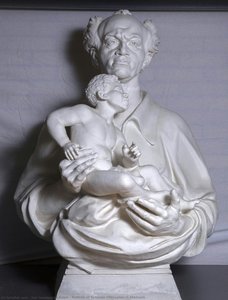
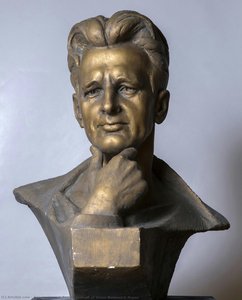
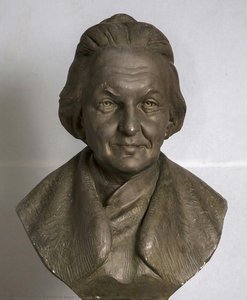
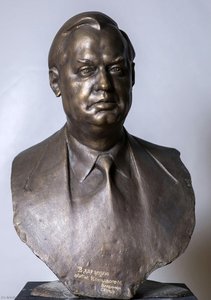
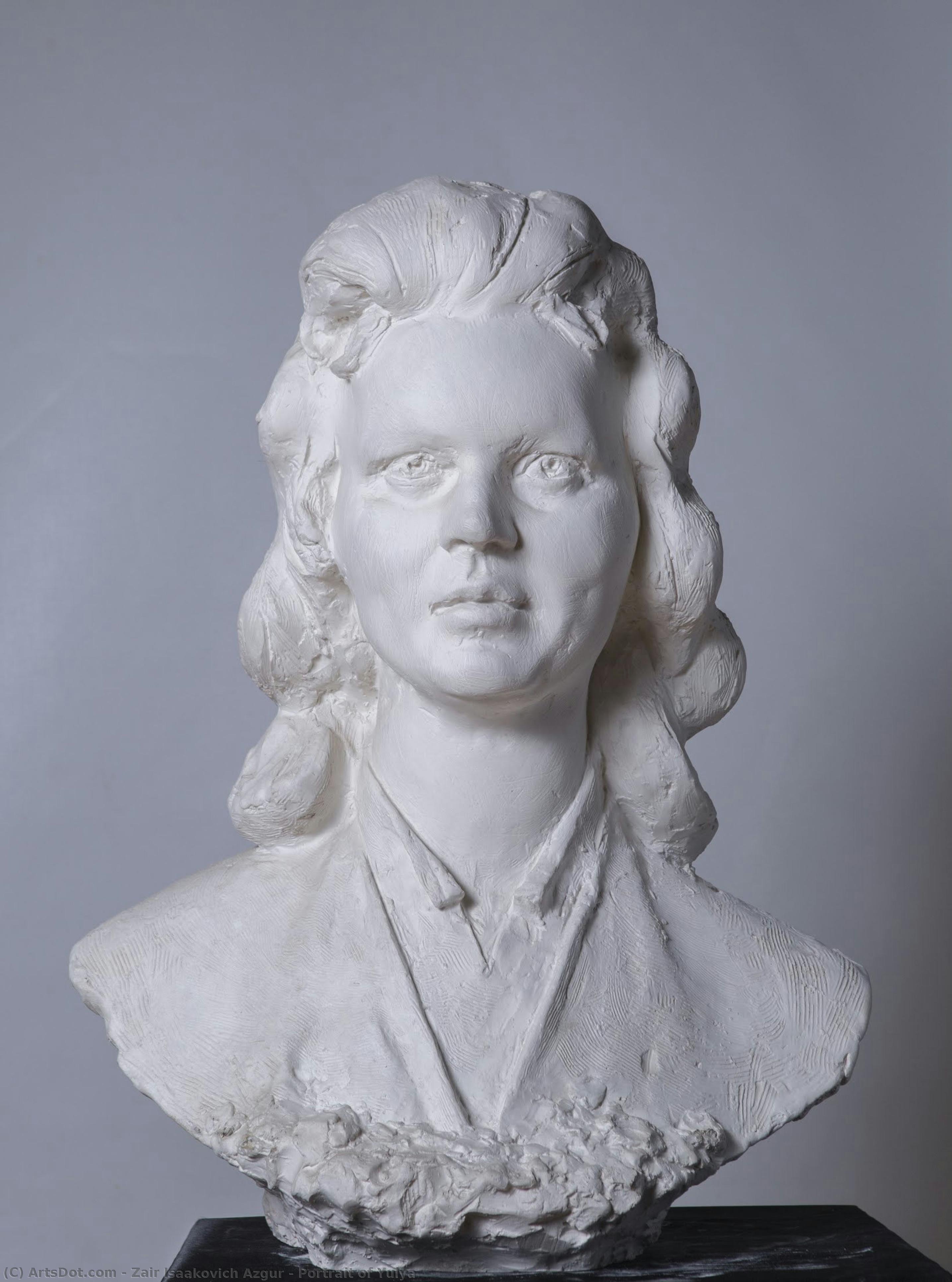
Portrait of Yulya


 Read More
Giclée / Art Print
Museum-quality giclée or canvas print with fast production and flexible finish options. ( Buy Hand Made Painting Buy Image)




































Pick from our preset sizes that match the artwork's original proportions.

You may enter your own dimensions to fit a specific frame or space. If your selected size does not match the original image's proportions, we will either crop the artwork or extend the image with a mirrored or solid-fill edge. A digital mockup will be sent for your approval before production begins.
Please note that the on-screen preview does not reflect the actual cropping or extension. Only the mockup will accurately show the final composition.
While custom sizes are available, we recommend selecting a dimension from the predefined list to preserve the original proportions.
Worldwide Delivery () in 2 weeks instead of standard 4/5 weeks. (24 August)

Free Worldwide Express Shipping

High-Quality Linen Canvas

Full Shipping Insurance

Customs Tax Refund Guarantee

True Color Matching Guarantee

60-Day Return Policy (Defects Only)

100% Money-Back Guarantee

Bulk Discount Offer
 Glass option is only available in size under 110 CM

Portrait of Yulya
Giclée / Art Print
Reproduction Size
-


Total Price
$ 63
Collectible Description
Related Artworks








Artist Biography
Wassily Kandinsky: Pioneer of Abstraction
Born in Moscow in December 1866, Wassily Kandinsky’s life and artistic journey represent a pivotal moment in the history of art – the birth of abstraction. Initially trained as a lawyer and economist, Kandinsky's true calling emerged through his fascination with color and music, experiences that would profoundly shape his revolutionary approach to painting. His early years were marked by a deep immersion in Russian culture, including folklore and religious iconography, which subtly informed his later explorations of symbolism and spirituality within his art. He began formally studying art at the Moscow School of Painting, Sculpture, and Architecture in 1887, but found the traditional academic training restrictive. Seeking broader artistic horizons, he traveled extensively throughout Europe, absorbing influences from Impressionism, Post-Impressionism, and early modern movements – a crucial period that laid the groundwork for his radical departure.
Early Influences and Artistic Development
Kandinsky’s artistic development wasn't a sudden epiphany but rather a gradual evolution. His initial work reflected a traditional academic style, largely influenced by Russian realism. However, after moving to Munich in 1896, he encountered the vibrant art scene of the late 19th century and began experimenting with color and form. He became associated with the influential artist Gabriele Münter, forming a close artistic partnership that lasted for decades. This collaboration proved vital in his early explorations into non-objective art. The Munich group, including figures like Paul Klee and August Macke, provided a stimulating environment where artists challenged conventional notions of representation. Kandinsky’s interest was increasingly drawn to the expressive potential of color – he began to believe that colors possessed inherent emotional qualities, akin to musical notes. This belief would become central to his artistic philosophy.
The Blue Rider Group and Early Abstractions
In 1908, Kandinsky co-founded the “Blue Rider” (Die Brücke) group alongside Ernst Ludwig Kirchner and Emil Nolde. This avant-garde collective sought to break free from academic constraints and explore new forms of artistic expression. The Blue Riders were particularly interested in symbolism and spirituality, often drawing inspiration from folklore and mysticism. However, Kandinsky’s artistic trajectory soon diverged from the group's focus on landscapes and social commentary. He began experimenting with increasingly abstract compositions, driven by his conviction that art should communicate directly through feeling rather than depicting external reality. His early abstractions, such as “Composition VII” (1913), are characterized by dynamic arrangements of geometric shapes and vibrant colors, reflecting a profound inner world.
Theoretical Writings and the Language of Art
Kandinsky’s artistic explorations were inextricably linked to his theoretical writings. In 1911, he published “Concerning the Spiritual in Art,” a seminal text that outlined his theories about color, form, and their relationship to human emotion and spirituality. He argued that art should transcend mere representation and strive to evoke inner states of consciousness. Kandinsky developed a unique visual language, using geometric shapes – circles, squares, triangles – as symbolic elements, believing they possessed inherent spiritual significance. He saw painting not just as a means of depicting the world but as a way to express pure feeling, akin to music—a concept he famously described as “the element of pure spirituality in art.”
Later Years and Legacy
During World War I, Kandinsky retreated to Germany, then moved to France after the war. He continued to paint and teach, refining his abstract style and exploring new approaches to color and composition. Despite facing increasing isolation and hardship, he remained committed to his artistic vision. His later works, such as “Improvisation 38” (1940), demonstrate a deepening of his spiritual concerns and a more lyrical quality in his abstractions. Wassily Kandinsky died in Neuilly-sur-Seine in 1944, leaving behind a vast body of work that fundamentally altered the course of modern art. His pioneering exploration of abstraction paved the way for countless artists who followed, solidifying his place as one of the most influential figures in 20th-century art. His emphasis on the spiritual and emotional power of color and form continues to resonate with viewers today.
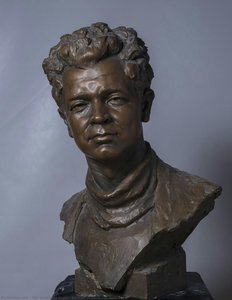
zair isaakovich azgur
1908 - 1995 , Belarus
Quick Facts
- Artistic Movement Or Style: Abstraction, Expressionism
- Artists Or Movements Influenced By This Artist:
- Bauhaus
- Abstract art
- Artists Who Influenced This Artist:
- Paul Gauguin
- Vincent van Gogh
- Date Of Birth: 16 December 1866
- Date Of Death: 13 December 1944
- Full Name: Wassily Kandinsky
- Nationality: Russian, later French
- Notable Artworks:
- On White II
- Blue Rider
- Composition VII
- Place Of Birth: Moscow, Russia