

 Preview
 Send
Send Share
Share
 Details

 Download
 Similars
 X-Ray
X-Ray Diaporama
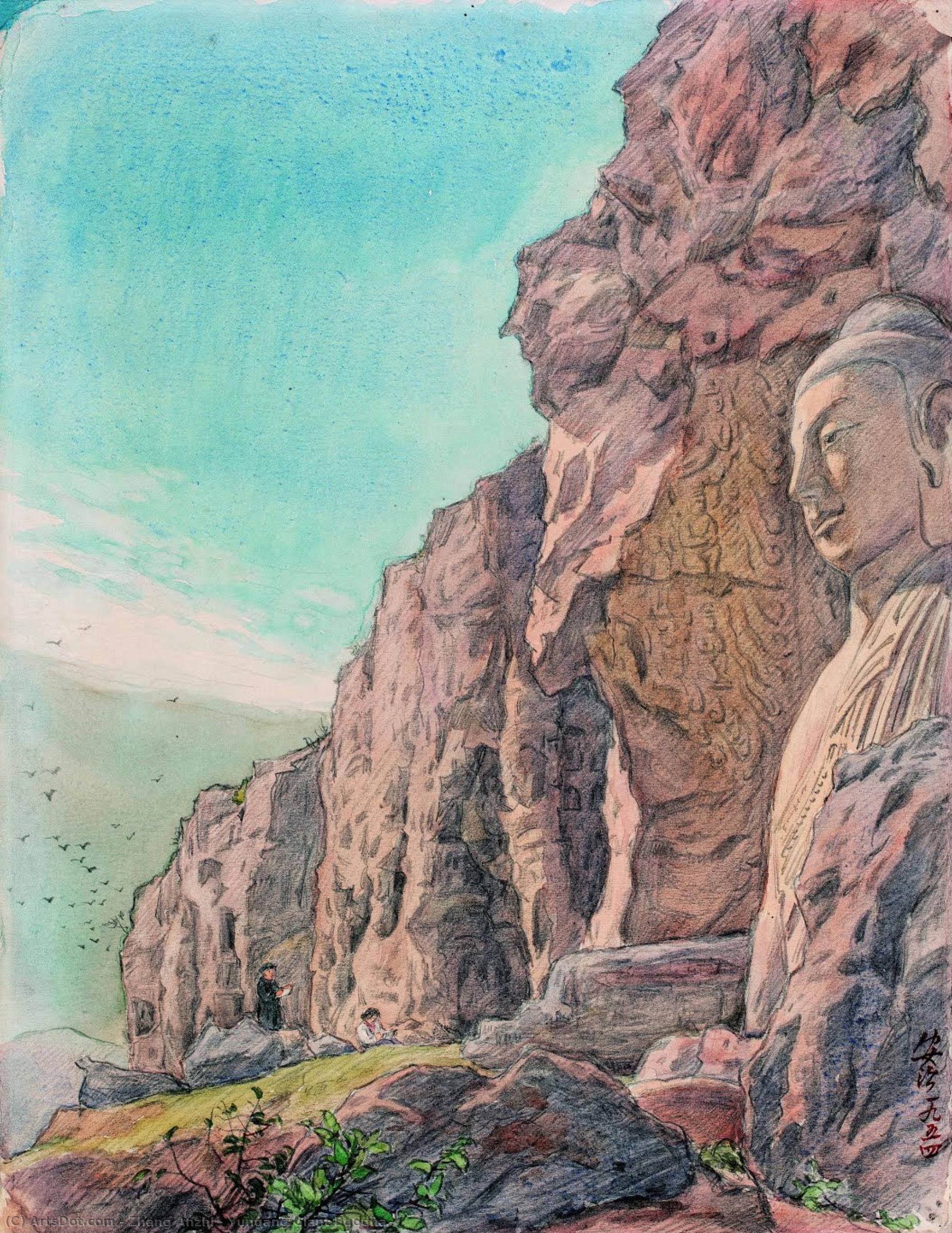
Yungang Giant Buddha

 Read More
Purchase a high-resolution, enhanced digital image, far superior to the online preview.
Each file is meticulously prepared by our in-house specialists using advanced tools and expert manual retouching. We ensure every image has exceptional clarity, precise color accuracy, and fine detail.
The final file is delivered via email within 72 hours, optimized for immediate use in professional, editorial, and print environments. This is the same quality trusted by top-tier design studios, publishers, and galleries.
Digital Image
Download a high-resolution file for personal display, printing, and creative projects. ( Buy Print Buy Hand Made Painting)
Included in Every Digital Image Order
Expert Digital Delivery, Guaranteed
When you choose ArtsDot.com, you're not just getting an image - you're receiving a professionally enhanced digital artwork, crafted with precision and backed by a satisfaction guarantee. Here's everything that comes with your order, automatically:

Fast Email Delivery
Your high-resolution digital image file will be emailed to you within 72 hours of ordering - ready for immediate use.

AI-Enhanced Digital File
Your artwork is professionally optimized using advanced AI tools and manual editing, ensuring maximum detail, clarity, and color accuracy.

Free Lifetime Re-Delivery
Accidentally deleted or lost your file? No worries - we'll resend it to you anytime, free of charge.

No Import Fees - Ever
Enjoy your artwork instantly with zero customs, duties, or delivery fees - digital downloads are always tax-free.

Color Accuracy Guarantee
We ensure your digital image reflects the original colors as closely as possible using professional tools and color management.

60-Day Satisfaction Guarantee
If you're not satisfied with your digital image, we'll revise it or refund 100% within 60 days - no questions asked.

100% Money-Back Guarantee
Not satisfied? Get a full refund within 60 days of receiving your digital file - no questions asked.

Bulk Order Discounts
Buy 3 images, save 10% - Buy 5, save 15% - Buy 10+, save 20%. Great for creative projects, galleries, and agencies.
Collectible Description
Related Artworks









Artist Biography
Romare Bearden: A Tapestry of Memory and Experience
Romare Howard Bearden, born on September 2, 1911, in Charlotte, North Carolina, to Richard and Bessye Bearden, was an American artist whose work profoundly explored the complexities of African-American experience. His life, marked by both intellectual curiosity and a deep connection to his heritage, culminated in a distinctive artistic style characterized by vibrant collage techniques, evocative watercolors, and a poignant blend of personal memory and historical reflection. Bearden’s journey from social worker to celebrated artist is a testament to the power of art as a means of understanding and communicating the human condition. Early life and formative influences shaped Bearden's artistic vision. Growing up in Charlotte during a period of racial segregation, he witnessed firsthand the challenges faced by his community. This experience instilled within him a desire to document and celebrate Black culture, while simultaneously grappling with themes of identity, displacement, and social justice. He began his formal education at Lincoln University, later transferring to Boston University and completing his studies at New York University (NYU), where he earned a degree in education. During this time, Bearden honed his skills as a cartoonist and art editor, developing a keen eye for visual storytelling and an appreciation for diverse artistic traditions. Crucially, he immersed himself in the study of Western masters – from Duccio and Giotto to Cezanne, Picasso, and Matisse – alongside a deep engagement with African art, particularly its sculptural forms, masks, and textiles. This synthesis of influences—European formalism combined with African expressive power—became a defining characteristic of his work. Bearden’s artistic career unfolded in several distinct phases. Initially, he worked as a social worker for the New York City Department of Social Services, dedicating himself to community service while simultaneously pursuing his art. His early collages often drew upon memories of his childhood in Mecklenburg County, North Carolina, and Pittsburgh, Pennsylvania, depicting scenes of everyday life with a remarkable sensitivity to color and texture. He skillfully combined fragments of newspapers, magazines, and other printed materials—a technique he termed “collage”—to create layered compositions that evoked both nostalgia and social commentary. As his career progressed, Bearden’s work became increasingly ambitious, exploring themes of jazz music, Harlem Renaissance culture, and the complexities of the Black experience in America. His collaborations with prominent figures like James Baldwin, Duke Ellington, and Langston Hughes further enriched his artistic practice and broadened its cultural reach. The 1960s marked a pivotal period for Bearden’s art. He began to experiment with larger-scale works, incorporating elements of abstraction and surrealism into his compositions. His “Jazz” series, created in collaboration with poet Charles Henri Fox, captured the energy and improvisational spirit of jazz music through dynamic arrangements of color, shape, and rhythm. Later, Bearden’s work shifted towards a more introspective focus, exploring themes of family, memory, and loss. The "I Remember Harlem" cycle, completed in 1968, is a poignant meditation on the history and cultural significance of Harlem, drawing upon personal recollections and collective experiences. His later works, particularly those created during his time on St. Martin Island, reflected the island’s lush landscapes and vibrant culture, offering a glimpse into a more tranquil and reflective phase of his artistic life. Romare Bearden's legacy extends far beyond his individual artworks. He played a vital role in fostering opportunities for emerging Black artists, establishing the Cinque Gallery in 1971 with Norman Lewis and Ernest Crichlow—a space dedicated to showcasing and supporting minority talent. His commitment to social justice and artistic innovation cemented his place as one of the most important figures in American art of the 20th century. Bearden died on March 12, 1988, leaving behind a rich body of work that continues to resonate with audiences today, offering profound insights into the complexities of identity, culture, and the human experience.Marcel Storr: A Visionary of Urban Dreams
Born in Paris in 1911, Marcel Storr’s life was marked by hardship and isolation, experiences that profoundly shaped his unique artistic vision. Abandoned as a toddler, he endured a difficult childhood spent working on farms before being sent to an orphanage and later to a convent. These early traumas, coupled with increasing deafness and mental health challenges—the specifics of which remain largely undocumented—created a deeply personal and often unsettling world for Storr. Despite these difficulties, he found solace and expression through art, developing a distinctive style characterized by monumental drawings filled with fantastical architecture and otherworldly landscapes. Storr’s artistic development unfolded gradually over several decades. Initially influenced by the decorative patterns of tapestries inherited from his family's business, he began creating detailed drawings of churches in the 1930s, meticulously rendering architectural details with a remarkable level of realism. However, as he matured, his work evolved into increasingly elaborate and imaginative compositions—towering cathedrals, palatial structures, and delirious urban vistas that defied conventional logic and perspective. His artistic influences were diverse, ranging from Byzantine mosaics and Western masters like Giotto and de Hooch to the visionary architecture of Angkor Wat and the futuristic cityscapes depicted in science fiction films. Notably, Storr’s work shares affinities with Surrealism and Feminist Art, though he never formally identified with any particular movement. Throughout his career, Storr produced a remarkably consistent body of work—approximately 63 drawings—all of which were later discovered by the Parisian couple Bertrand and Liliane Kempf in 1971. Their acquisition of these works marked a turning point in Storr’s artistic recognition, leading to exhibitions at prestigious venues such as Halle Saint-Pierre in Paris (2001) and the Pavillon Carré de Baudouin in Paris (2011), and inclusion in major international surveys like “The Alternative Guide to the Universe” at the Hayward Gallery in London (2013). Storr’s art is not easily categorized; it exists on the periphery of established artistic traditions, offering a singular vision of urban dreams, architectural fantasies, and perhaps, a reflection of his own deeply personal struggles. His work continues to fascinate and challenge viewers with its scale, complexity, and evocative power.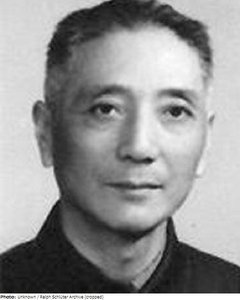
zhang anzhi
1911 - 1991 , China
Quick Facts
- Artistic Movement Or Style: Surrealism, Feminist art
- Artists Or Movements Influenced By This Artist: ['Abstract expressionists']
- Artists Who Influenced This Artist: ['Fernand Léger']
- Date Of Birth: 25 December 1911
- Date Of Death: 31 May 2010
- Full Name: Louise Joséphine Bourgeois
- Nationality: French, American
- Notable Artworks:
- Cells
- Cumul I
- The Destruction of the Father
- Place Of Birth: Paris, France

