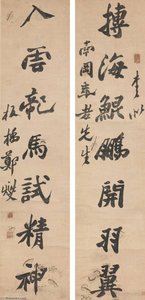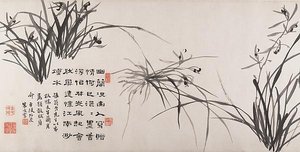
 Preview
 Send
Send Share
Share
 Details

 Download
 Similars
 X-Ray
X-Ray Diaporama
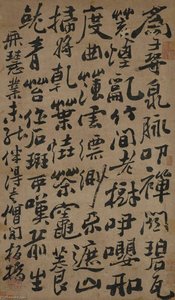
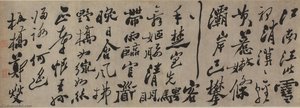
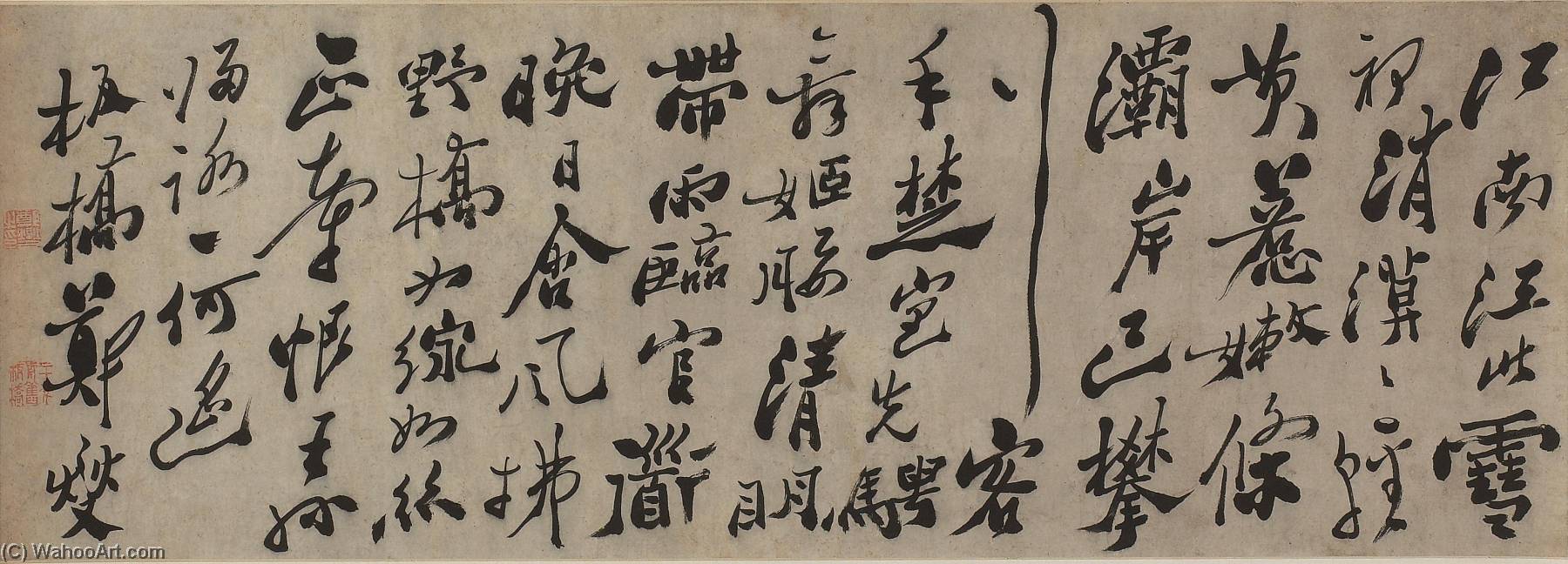
TRANSCRIPTION OF LI SHANGYIN'S WILLOW POEM IN RUNNING SCRIPT
 31.0 x 88.0 cm
 Read More
Hand Made Oil Reproduction
Hand-painted oil on canvas in your size and frame, made to order by our artists. ( Buy Print Buy Image)




































Pick from our preset sizes that match the artwork's original proportions.

You may enter your own dimensions to fit a specific frame or space. If your selected size does not match the original image's proportions, we will either crop the artwork or extend the painting with additional hand-painted elements. A digital mockup will be sent for your approval before production begins.
Please note that the on-screen preview does not reflect the actual cropping or extension. Only the mockup will accurately show the final composition.
While custom sizes are available, we recommend selecting a dimension from the predefined list to preserve the original proportions.
After order, ArtsDot.com team will email client for instructions and provide a mockup preview
Worldwide Delivery () in 3/4 weeks instead of standard 5 weeks. (3 September). No compromise on quality.

Free Worldwide Express Shipping

High-Quality Linen Canvas

Full Shipping Insurance

Customs Tax Refund Guarantee

True Color Matching Guarantee

60-Day Return Policy (Defects Only)

100% Money-Back Guarantee

Bulk Discount Offer
 Glass option is only available in size under 110 CM

TRANSCRIPTION OF LI SHANGYIN'S WILLOW POEM IN RUNNING SCRIPT
Reproduction Medium
Reproduction Size
-


Total Price
$ 263
Related Artworks









Artist Biography
The Poet Painter of Yangzhou: The Soul of Zheng Xie
Zheng Xie, known to history by the evocative art name Banqiao, remains one of the most singular and spirited figures of the Qing dynasty. His life was a profound journey from the depths of poverty in Xinghua County to the heights of intellectual and artistic renown. While he successfully navigated the rigorous imperial examination system to serve as a magistrate in Shandong, his heart never truly belonged to the rigid corridors of bureaucracy. Zheng Xie’s character was defined by an unyielding moral compass; he famously chose to resign his official position rather than compromise his integrity or succumb to the sycophancy required by senior officials. This act of defiance, sparked by criticism over his efforts to provide shelter for the poor, transformed him from a civil servant into a legendary member of the Eight Eccentrics of Yangzhou, a group of intellectuals who sought to shatter conventional artistic norms in favor of raw, individual expression.
The transition from officialdom to full-time artistic pursuit allowed Zheng Xie to cultivate a vision deeply rooted in the rhythms of the natural world. His work was never merely decorative; it was an extension of his literary and philosophical soul. As a poet and scholar, he infused his paintings with a humanist sensibility that celebrated the resilience of life. He became masterfully renowned for his depictions of bamboo, orchids, and stones—subjects that served as potent metaphors for the virtues he held dear. To Zheng Xie, the bamboo was not just a plant but a symbol of strength and uprightness in the face of adversity, while the delicate orchid represented a refined, noble spirit that thrives even in solitude. Through his brush, these natural elements became vessels for profound moral and social commentary.
A Revolution of Brush and Ink
What truly distinguishes Zheng Xie’s legacy is the seamless, almost inseparable bond between his calligraphy and his painting. He did not merely draw nature; he wrote it into existence. By developing a unique technique where the fluid, rhythmic strokes of his orchid drawings informed his calligraphic hand, he created a new aesthetic language. This innovation bridged the gap between text and image, allowing the energy of Qi—the vital life force—to flow uninterrupted from a written poem into the stem of a bamboo stalk. His style was characterized by bold, expressive brushwork that favored spontaneity and emotional truth over the meticulous, polished perfection sought by the imperial court.
Even during brief periods when he returned to official service, such as his appointment as an official calligrapher and painter for the Qianlong Emperor in 1748, Zheng Xie maintained his distinctive, independent spirit. His fascination with the ordinary and the natural led him to write about common people and simple landscapes with a sincerity that resonated far beyond the elite circles of Yangzhou. His artistic development was a continuous dialogue between his observations of the physical world and his internal reflections on society and morality. Through this synthesis, he achieved a level of historical significance that transcends mere technique, leaving behind a body of work that continues to inspire awe for its vitality, its technical brilliance, and its unwavering commitment to the authentic human experience.
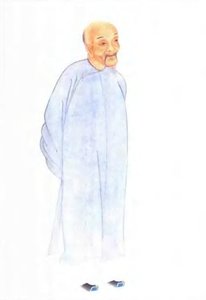
Zheng Xie
1693 - 1766
Quick Facts
- Artistic Movement Or Style: Eight Eccentrics of Yangzhou
- Date Of Birth: November 22, 1693
- Date Of Death: January 22, 1766
- Full Name: Zheng Xie
- Nationality: Chinese
- Notable Artworks:
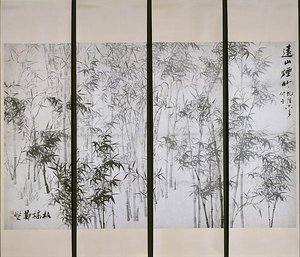
- Misty Bamboo on a Distant Mountain
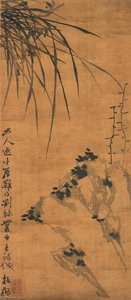
- Orchard and Rocks
- Poem in Running Script
- Place Of Birth: Xinghua, Jiangsu