 Preview
 Send
Send Share
Share
 Details

 Download
 Similars
 X-Ray
X-Ray Diaporama
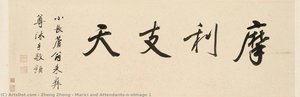
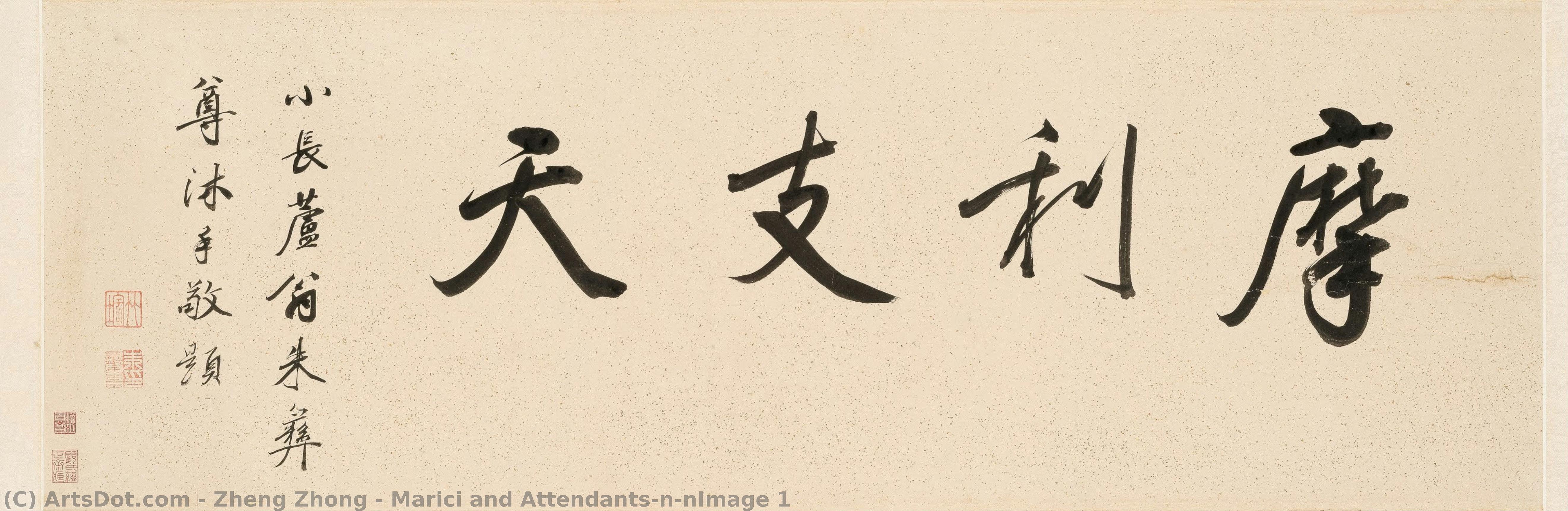
Marici and Attendants\n\nImage 1
 Song Dynasty Painting
 1641
1641 30.0 x 561.0 cm
 Read More
Hand Made Oil Reproduction
Hand-painted oil on canvas in your size and frame, made to order by our artists. ( Buy Print Buy Image)




































Pick from our preset sizes that match the artwork's original proportions.

You may enter your own dimensions to fit a specific frame or space. If your selected size does not match the original image's proportions, we will either crop the artwork or extend the painting with additional hand-painted elements. A digital mockup will be sent for your approval before production begins.
Please note that the on-screen preview does not reflect the actual cropping or extension. Only the mockup will accurately show the final composition.
While custom sizes are available, we recommend selecting a dimension from the predefined list to preserve the original proportions.
After order, ArtsDot.com team will email client for instructions and provide a mockup preview
Worldwide Delivery () in 3/4 weeks instead of standard 5 weeks. (23 August). No compromise on quality.

Free Worldwide Express Shipping

High-Quality Linen Canvas

Full Shipping Insurance

Customs Tax Refund Guarantee

True Color Matching Guarantee

60-Day Return Policy (Defects Only)

100% Money-Back Guarantee

Bulk Discount Offer
 Glass option is only available in size under 110 CM

Marici and Attendants\n\nImage 1
Reproduction Medium
Reproduction Size
-


Total Price
$ 263
Artwork Description
Related Artworks


Artist Biography
The Shadowy Hand: Zheng Zhong and the Spirit of Late Han China
Zheng Zhong, a figure shrouded in the complexities of late Eastern Han dynasty politics and artistic innovation, remains one of the most intriguing and debated figures in Chinese art history. Born around 1570, his life was inextricably linked to the tumultuous events that marked the decline of the Han empire – a period defined by courtly intrigue, dynastic struggles, and a profound shift in artistic sensibilities. More than just a painter, Zheng Zhong emerged as a pivotal player in the power dynamics of the imperial court, wielding influence through his close relationship with Empress Deng Sui and ultimately shaping the trajectory of art during a critical transitional era. His story is not simply one of aesthetic achievement; it’s a reflection of the political machinations and cultural currents that defined a nation on the brink of collapse.Early Life and Rise to Power
Zheng Zhong's origins in Nanyang Commandery, the ancestral home of the Eastern Han imperial clan, provided him with an early connection to the power structures of the dynasty. He began his career as a junior official under Emperor Zhang (r. 75–88), serving as an Attendant at the Yellow Gates – a position that offered access to the inner workings of the court. However, it was his role in the dramatic overthrow of Empress Dowager Dou and her clan in 92 AD that cemented his place in history. The Dou family’s autocratic rule had long stifled imperial authority, and Zheng Zhong, alongside Emperor He himself, orchestrated a daring coup that dramatically altered the balance of power. This act of defiance earned him immense favor with Emperor He, culminating in the unprecedented appointment of Marquess of Chaoxiang – a title previously reserved for high-ranking officials and members of the imperial family. This elevation was not merely a reward for his political acumen; it signaled a radical shift in the role of eunuchs within the Han court, challenging centuries of tradition and setting a precedent that would have lasting consequences.Artistic Style and Subject Matter
Zheng Zhong’s artistic style is characterized by a masterful command of the blue-and-green landscape painting technique – a hallmark of Northern Song dynasty art but already deeply ingrained in Han traditions. His works often depict serene mountain scenes, imbued with a sense of contemplative stillness and spiritual resonance. However, Zheng Zhong's true distinction lies in his ability to infuse these landscapes with Buddhist iconography, particularly the figure of Marici (also known as Manishibhadra), a central deity in the Pure Land Buddhism tradition. His most famous work, “Marici and Attendants” (1641), exemplifies this fusion of secular landscape painting and religious symbolism. The scroll vividly portrays Marici surrounded by her attendants, rendered with meticulous detail and imbued with an atmosphere of profound serenity. The composition is not merely decorative; it reflects the burgeoning influence of Buddhism within the Han court and Zheng Zhong’s own deep engagement with spiritual themes. His depictions often incorporate elements of Chinese mythology and folklore, blending traditional motifs with Buddhist imagery to create a unique visual language.The Eunuch as Patron and Influencer
Zheng Zhong's position within the imperial court afforded him unparalleled access to resources and influence. He became a significant patron of the arts, commissioning works from other prominent artists and fostering a vibrant artistic environment within the palace walls. His support extended beyond purely aesthetic considerations; he actively promoted Buddhist art and scholarship, contributing to the spread of religious ideas throughout the empire. Following Emperor He’s death in 106 AD, Zheng Zhong remained a key figure during Empress Deng Sui's regency, continuing to wield considerable power and shaping the political landscape. His influence extended beyond artistic patronage; he played a crucial role in maintaining stability during a period of intense political turmoil, demonstrating his strategic intelligence and diplomatic skills.Legacy and Historical Significance
Zheng Zhong’s life and career represent a pivotal moment in Chinese art history – a transition from the established traditions of the Han dynasty to the evolving artistic landscape of the late dynastic period. His elevation as a marquess, coupled with his patronage of Buddhist art, challenged traditional hierarchies and opened new avenues for artistic expression. While often viewed through the lens of political intrigue and courtly scandal, Zheng Zhong’s artistic achievements deserve recognition as significant contributions to the development of Chinese landscape painting and religious iconography. He stands as a testament to the complex interplay between politics, religion, and art in late Han China – a period marked by both profound instability and remarkable cultural innovation. His legacy continues to fascinate scholars and art enthusiasts alike, offering a glimpse into the shadowy world of the imperial court and the enduring power of artistic expression.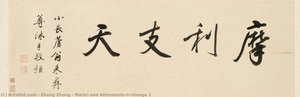
zheng zhong
China
Quick Facts
- Artistic Movement Or Style: Ink wash painting
- Artists Or Movements Influenced By This Artist: ['Eastern Han Dynasty art']
- Artists Who Influenced This Artist: ['Huang Gongwang']
- Date Of Death: 114
- Full Name: Zheng Zhong
- Nationality: Chinese
- Notable Artworks:
- Searching the Mountains
- Dwelling in Mountain
- Place Of Birth: Nanyang, China
Related Articles
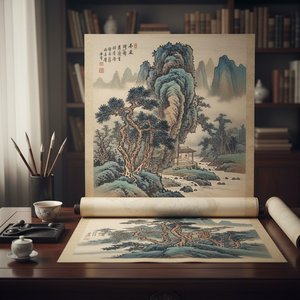
Xie Zhiliu: A Legacy of Ink Wash Painting & Modern Chinese Literati Tradition
Explore the legacy of Xie Zhiliu, a master of Chinese ink wash painting & prominent figure in modern art. Discover his techniques, influences, and contributions to literati tradition. A guide for discerning collectors.
Pu Xinyu's 'Puru': A Legacy of Literati Painting & Emotional Resonance
Explore the captivating world of Pu Xinyu (Puru), the last great literati painter. Discover his imperial heritage, masterful ink wash techniques & enduring legacy – a valuable addition to any discerning art collection.
Ephemeral Expressions: Exploring the Nuances of Ink on Paper Through History & Contemporary Art
Explore the captivating world of ink wash painting – from its ancient origins to contemporary masters. Discover techniques, symbolism & conservation insights with ArtsDot.com.
Echoes of Antiquity: Exploring Themes & Techniques in Classical Art Masterpieces
Explore the timeless beauty & profound themes of Classical art! Discover Greek & Roman masterpieces, Neoclassical revivals, and the enduring influence on artistic movements. Expert insights & high-quality reproductions at ArtsDot.