




The Alchemy of Layers: Understanding the Chemical Soul of Old Masterworks
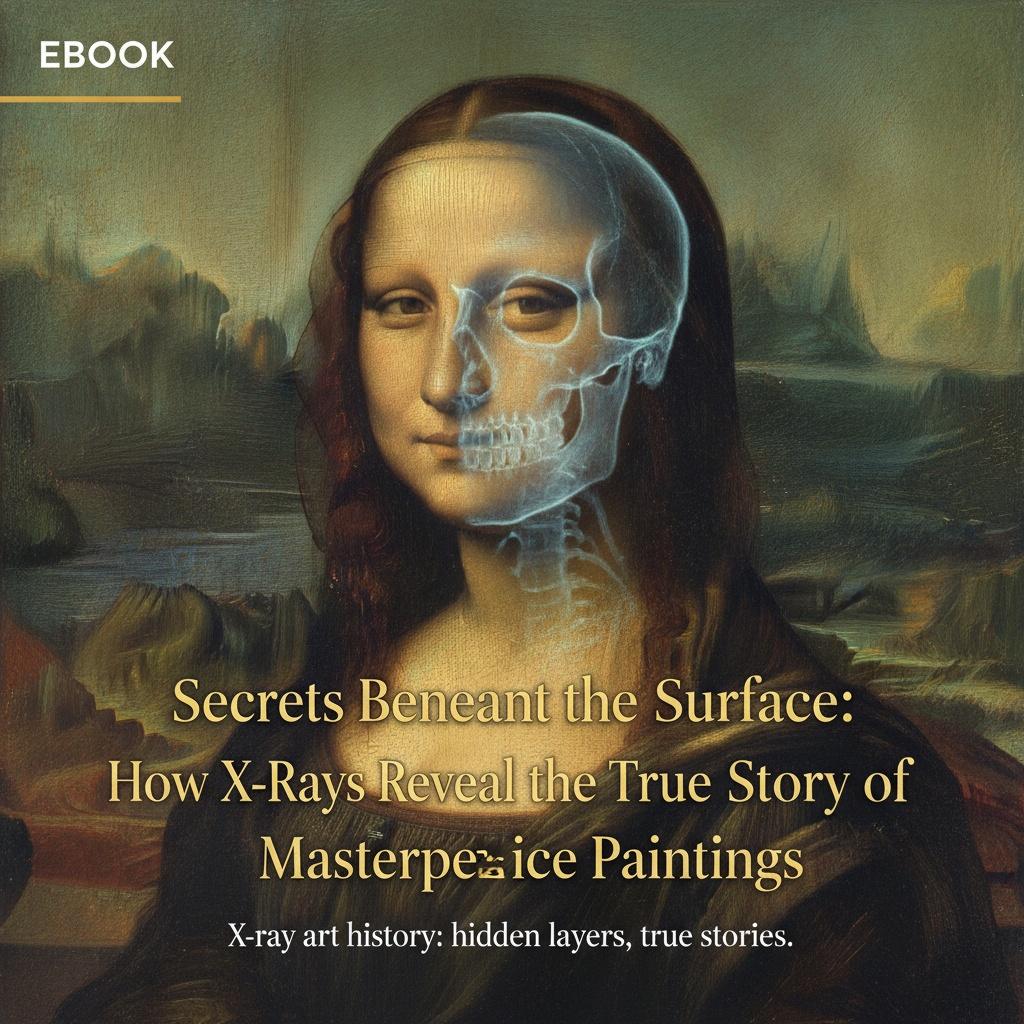
 Secrets Beneath the Surface: How X-Rays Reveal the Hidden Truths of Masterpiece Paintings
The Alchemy of Layers: Understanding the Composition of Old Masterworks Mastering the Brush: The Timeless Secrets of Old Master Oil Painting Techniques The Alchemy of Pigment: Understanding the Chemistry and Longevity of Oil Media To understand the e...
Radiographic Revelations: Peering Through the Canvas with X-Ray Technology
 Beneath the Surface: How X-Rays and Imaging Uncover the Secrets of Old Master Paintings
The Alchemy of Layers: Understanding the Chemical Soul of Old Masterworks Mastering the Brush: The Timeless Secrets of Old Master Oil Painting Techniques The Alchemy of Pigment: Understanding the Chemistry and Longevity of Oil Media To understand the...
Pentimento: Uncovering the Ghostly Traces of Artistic Regret and Revision
Perhaps the most intimate secret revealed by X-ray technology is the phenomenon known as pentimento—from the Italian word for "repentance." Throughout their creative journeys, even the greatest masters were prone to doubt, revision, and outright change. An artist might begin with a certain composition, only to realize mid-process that a hand was positioned incorrectly or a landscape lacked the necessary drama. Rather than discarding a costly canvas, they would simply paint over their previous work, burying their "mistakes" beneath new layers of oil and pigment. X-ray imaging acts as a window into these moments of artistic hesitation. It allows us to witness the ghostly traces of original intentions that have been hidden from human eyes for hundreds of years. We can see where a figure was moved, where a sleeve was added, or where an entire subject was erased to make room for something else. These revelations do not diminish the final masterpiece; rather, they enrich it, providing a profound connection to the artist's psychological process and the raw, iterative nature of true creativity. To see a pentimento is to witness the very struggle of creation itself.The Science of Sight: How Modern Imaging Distinguishes Pigment from Shadow
 Phase-contrast X-ray imaging
Phase-contrast X-ray imaging or phase-sensitive X-ray imaging is a general term for different technical methods that use information concerning changes in the phase of an X-ray beam that passes through an object in order to create its images. Standar...
Preserving the Invisible: The Role of Conservation in Protecting Art History
The ultimate goal of these technological explorations is not merely curiosity, but preservation. The history of art is a history of survival against decay. By using X-rays and advanced imaging, conservators can identify areas where the structural integrity of the painting might be failing—detecting hidden cracks, moisture damage, or the early stages of pigment degradation before they become visible to the naked eye. This proactive approach ensures that the "chemical marriage" of oil and pigment remains stable for future generations. Every time a new layer is uncovered or a hidden truth is revealed, our collective heritage is strengthened. The work of conservators, supported by the brilliance of physicists and chemists, ensures that the luminous depth of the Renaissance and the bold textures of the Impressionists remain vibrant. We are not just preserving objects; we are preserving the very soul of human expression, ensuring that the stories told beneath the surface continue to inspire wonder long after the artists themselves have passed into history.Discovering Art for Your Home
At ArtsDot.com, we believe that the magic of art should be accessible to everyone. Whether you are drawn to the profound textures of a handmade oil reproduction or the vibrant energy of a modern print, our mission is to help you find pieces that resonate with your personal story. From exploring color palettes that match your decor to commissioning custom portraits that turn memories into masterpieces, we invite you to embark on your own journey of discovery. Explore our collection today and bring the enduring beauty of the masters into your living space.