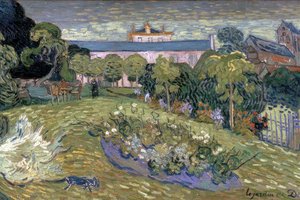
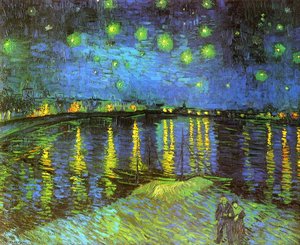
The Dawn of Subjectivity: Breaking Free from Impressionism's Lens
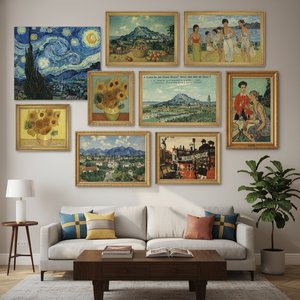 Post-Impressionism's 10 Defining Masterpieces: Art for Your Home |
Introduction Imagine stepping back in time to a world brimming with artistic revolution—a moment where painters dared to break free from the constraints of realism and embrace subjective vision. This is the essence of Post-Impressionism, a movement t...
To understand the magic of Post-Impressionism, one must first imagine a world where light was everything. In the late 19th century, the Impressionists had already revolutionized the art world by capturing the fleeting dance of sunlight upon water and the hazy atmosphere of a Parisian afternoon. They were masters of the optical moment, yet a new generation of restless souls felt that something vital was being left behind. While they admired the vibrant palettes of Monet and Renoir, these emerging artists began to question whether a purely naturalistic depiction could truly capture the weight of human experience.
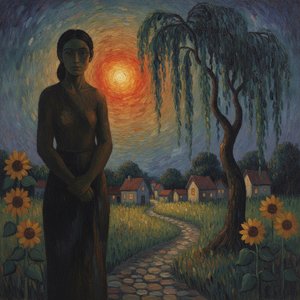
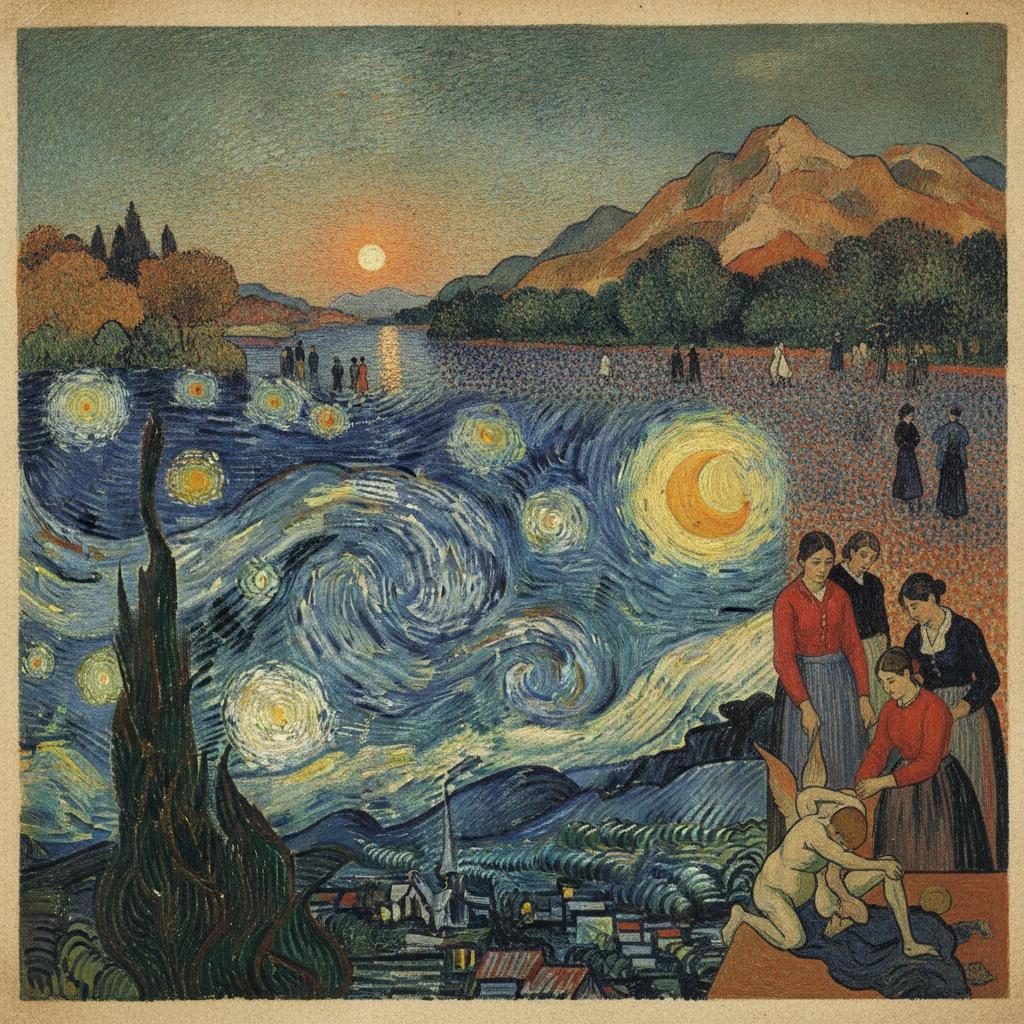
Emerging roughly between 1886 and 1905, Post-Impressionism was not a single, unified style, but rather a collective spirit of rebellion. It was a movement born from the desire to move beyond the surface. These painters sought to break free from the constraints of realism, choosing instead to embrace a subjective vision. They were no longer content with merely recording what the eye saw; they wanted to paint what the heart felt. This shift marked the beginning of a profound transformation in Western art, where the canvas became a stage for personal truth, symbolic depth, and an exploration of the much more complex textures of modern life.
A Symphony of Color and Emotion: The Soul of Post-Impressionist Masters
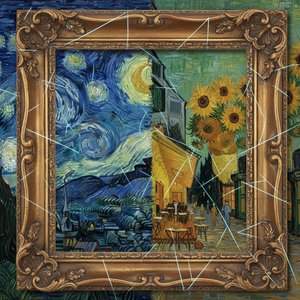 Van Gogh's Masterpieces: Explore 25 Iconic Paintings & Art for Your Home
Introduction To embark on a journey through Vincent van Gogh’s top 25 artworks is to step into a world painted with the very essence of human emotion. These canvases aren't merely depictions of landscapes, portraits, or still lifes; they are windows ...
When we step into the world of Post-Impressionism, we are immediately greeted by a symphony of color that feels almost alive. This era gave us some of the most recognizable names in art history, each bringing a unique emotional frequency to the canvas. Consider the incandescent soul of Vincent van Gogh. His work is synonymous with raw emotion and a palette so vibrant it seems to pulse with its own heartbeat. For Van Gogh, color was not just a tool for depiction; it predated his very identity as an artist, serving as a way to translate his inner turmoil and profound empathy into something enduring.
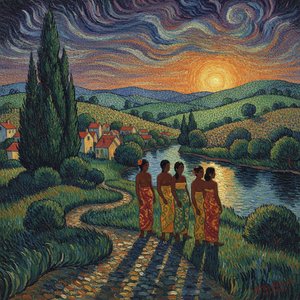
Alongside him, we find the structural brilliance of Paul Cézanne, often regarded as the father of the movement, who sought to bring a sense of permanence and geometric order to the landscape. Then there is the evocative, dreamlike symbolism of Paul Gauguin, whose use of bold, flat areas of color transported viewers to exotic, spiritual realms. These artists did not just paint landscapes or portraits; they created windows into the soul. Whether it was the swirling, turbulent skies of a Dutch night or the sun-drenched stillness of a Mediterranean coast, their work invites us to feel the joy, the sorrow, and the spiritual yearning that defines our shared human condition.
Texture as Language: Exploring the Raw Power of Impasto Brushstrokes
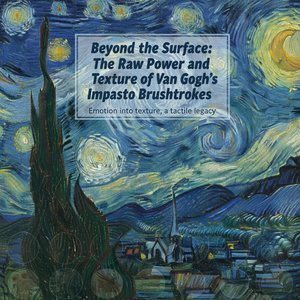 Beyond the Surface: The Raw Power and Texture of Van Gogh's Impasto Brushstrokes
The Sculptural Canvas: Defining the Impasto Technique Impasto - MoMA --- title: Impasto | MoMA author: Robert Kastler; Jonathan Muzikar; Kurt Heumiller url: https://www.moma.org/collection/terms/impasto hostname: moma.org description: An Italian word...
One of the most visceral ways to experience Post-Impressionism is through the sense of touch. To encounter a true masterpiece of this era is not merely to view a landscape, but to witness a physical struggle rendered in pigment. This is achieved through the breathtaking technique known as impasto. Derived from the Italian word for mixture, impasto involves applying paint in thick, heavy layers that transcend the flat plane of the canvas. It transforms the artwork into a sculptural relief, where every ridge and groove catches the light, creating a topographical map of the artist's movement.
In the hands of a master like Van Gogh, impasto becomes a tactile language of emotion. The rhythmic, heavy application of paint allows the artist to translate internal intensity into outward physical form. When you look closely at these works, you can almost feel the energy of the brush as it drags across the cotton canvas, leaving behind permanent records of presence and passion. This texture provides a depth and tonal range that a simple print can never replicate, offering a sense of movement and life that makes the artwork feel as though it is still breathing in front of you.
Symbolism and Structure: Finding Deeper Meaning Beyond the Surface
--- title: Post-Impressionism - The Metropolitan Museum of Art author: James Voorhies url: https://www.metmuseum.org/essays/post-impressionism hostname: metmuseum.org description: Through their radically independent styles and dedication to pursuing ...
Beyond the striking colors and heavy textures lies a profound layer of meaning. Post-Impressionist artists were deeply invested in the use of symbolism and the exploration of form to convey ideas that words often fail to capture. They moved away from the purely optical concerns of their predecessors to embrace more abstract qualities and symbolic content. A simple sunflower or a specific shade of blue was rarely just an object or a color; it was often a vessel for spiritual, psychological, or social commentary.
This period saw the rise of various sub-movements, from the scientific precision of Neo-Impressionism and Pointillism to the bold, flat shapes of Cloisonnism. Artists began to use distorted forms and non-naturalistic colors to evoke specific moods or to represent deeper truths about the world around them. This dedication to pursuing unique means of expression allowed them to grapple with the complexities of a rapidly industrializing society, turning the canvas into a space for philosophical inquiry and the redefinition of beauty itself.
Bringing the Movement Home: Curating Post-Impressionist Vibes for Modern Interiors
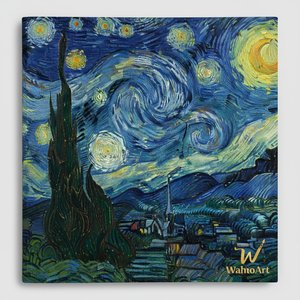 Decoding Van Gogh's Turmoil: ArtsDot’s Masterful Reproductions of Emotional Depth
Decoding Van Gogh’s Turmoil: ArtsDot’s Masterful Reproductions of Emotional Depth Wikipedia: Vincent van Gogh Vincent Willem van Gogh (Dutch: [ˈvɪnsɛnt ˈʋɪləɱ vɑŋ ˈɣɔx] ; 30 March 1853 – 29 July 1890) was a Dutch Post-Impressionist painter who is am...
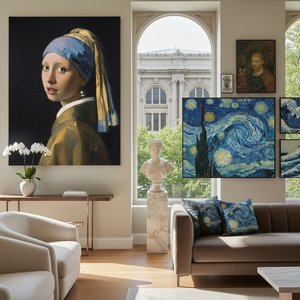
Integrating the vibrant energy of Post-Impressionism into a contemporary home is an exquisite way to add character, warmth, and soul to your living space. Because this movement celebrates color and emotion, it offers endless possibilities for interior design. Imagine a quiet reading nook anchored by a rich, textured reproduction of a Van Gogh landscape, or a bright, modern dining room energized by the bold, structural elements of a Cézanne-inspired piece. The key is to use these works to create a mood rather than just fill a wall.
For those looking to decorate meaningfully, we recommend browsing by color palette or even by the "vibe" you wish to achieve. A room filled with deep blues and swirling textures can evoke a sense of contemplative calm, while sun-drenched yellows and energetic brushstrokes can transform a breakfast nook into a place of daily inspiration. Whether you choose a large-scale multi-panel set to create a dramatic focal point on a wide wall, or a smaller, intimate portrait for a hallway, these pieces serve as lasting memories of beauty. At ArtsDot.com, we specialize in helping you bring this history to life through hand-painted oil reproductions that capture the true essence, texture, and emotional depth of these timeless masterpieces.