

The Magic of Impressionism: Why Light and Color Transform Modern Interiors
 Renoir's Masterpieces: Explore 25 Iconic Paintings & Bring Art Home | ArtsDot
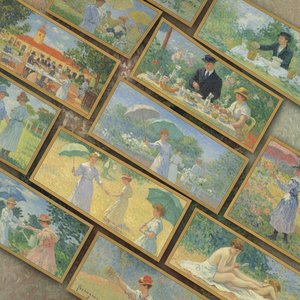
Introduction To embark on a journey through the top 25 artworks of Pierre-Auguste Renoir is to step into a world bathed in light, color, and an exquisite celebration of life. These paintings are not merely depictions of scenes; they are invitations—t...
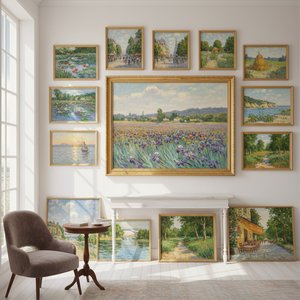
There is a profound, almost whispered magic that occurs when one steps into a room adorned with Impressionist light. Unlike the rigid, structured compositions of classical eras that demand a certain formal reverence, Impressionism invites us to linger. It does not merely present a subject; it captures a fleeting moment, a breath held in time. For the modern homeowner, integrating these works is less about decoration and more about introducing a sense of movement and vitality into the stillness of domestic life. When we look at the luminous landscapes of Pierre-Auguste Renoir or the soft, sun-drenched interiors reminiscent of Berthe Morisot, we are not just seeing paint on canvas; we are experiencing the way light dances across a surface at sunset or filters through a sheer curtain in the morning.
This movement, which emerged as a rebellion against the stifling academic traditions of 19 th-century France, prioritizes the sensory experience over photographic precision. By utilizing broken brushstrokes and a vibrant, often pastel-driven palette, Impressionist works create an atmosphere of luminosity. In a contemporary interior, these paintings act as windows to another dimension, breaking the potential monotony of modern architecture with their organic shapes and soft, diffused glows. They offer a sanctuary of tranquility, reminding us that even within the most structured environments, there is room for the ephemeral beauty of a passing shadow or a sudden burst of gold.
Mastering the Mood: Choosing Portraiture Based on Emotional Resonance
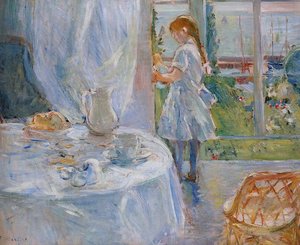 Cottage Interior (also known as Interior at Jersey)
Cottage Interior (also known as Interior at Jersey) by Berthe Morisot Berthe Morisot was a renowned French painter and a prominent figure in the Impressionist movement. Her painting, Cottage Interior (also known as Interior at Jersey) , is a beautifu...
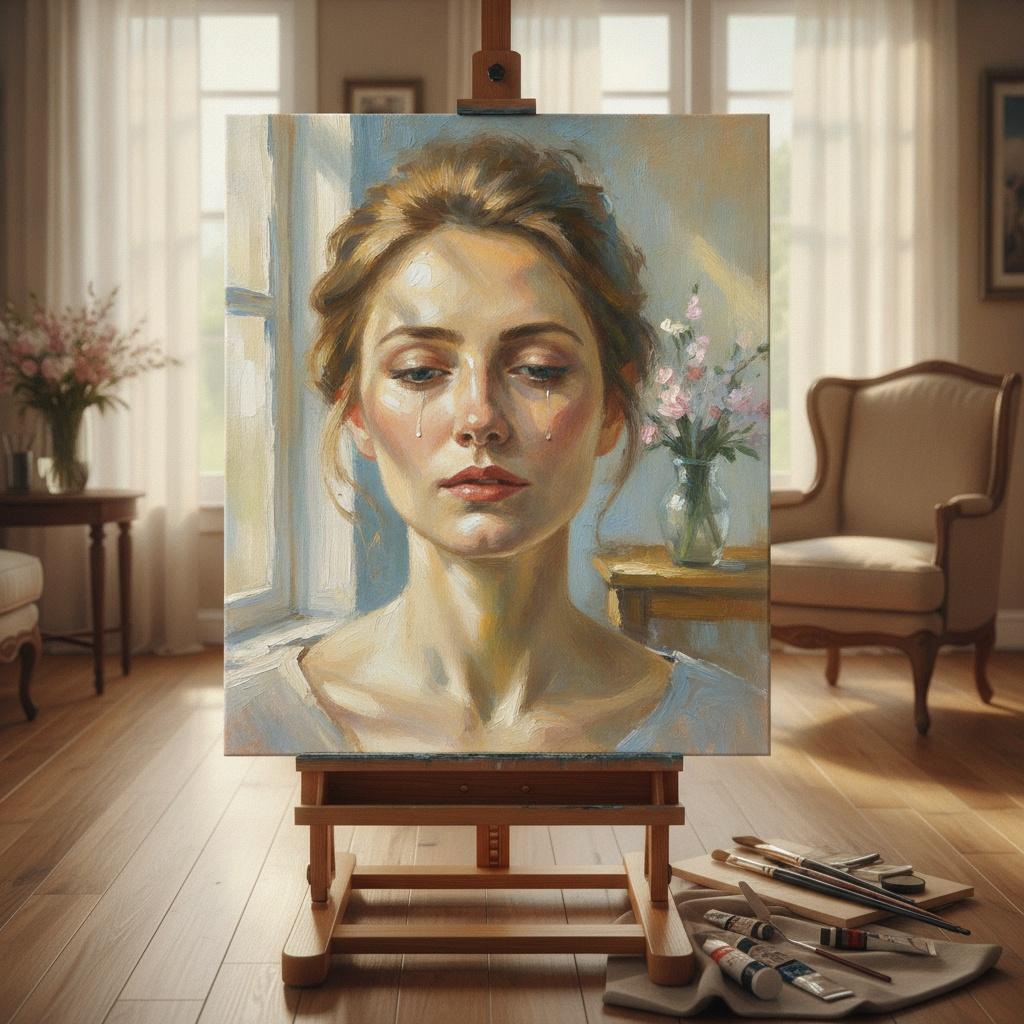
Selecting art for your home is an intimate journey of self-expression, and Impressionistic portraiture offers a unique vocabulary for this emotional dialogue. Every portrait carries a distinct psychological weight. Consider the difference between a work that evokes the quietude of domestic life—much like the serene, light-filled scenes found in the Copenhagen Interior School—and a more turbulent, expressive piece. A portrait can serve as an anchor of peace in a bedroom, using cool blues and soft whites to foster contemplation, or it can act as a vibrant heartbeat in a living area, utilizing warm ochres and energetic strokes to spark conversation and joy.
When curating your collection, think beyond the face of the subject and focus on the feeling the colors evoke. A portrait bathed in the warm hues of twilight, much like Renoir’s enchanting rural scenes, can infuse a room with a sense of nostalgic warmth and comfort. Conversely, a more structured, soulful self-portrait, reminiscent of Van Gogh’s expressive use of color, might introduce a layer of profound depth and introspection to a study or library. The goal is to find a piece that resonates with the existing energy of your space, allowing the artwork to breathe alongside your lifestyle, creating an environment that feels both curated and deeply personal.
From Canvas to Soul: The Tactile Beauty of Impasto and Visible Brushstrokes
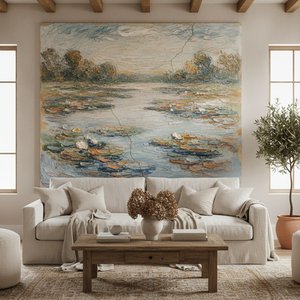 The Tactile Soul of Impressionism: Elevating Interiors with the Depth of Impasto and Plaster Art
The Poetry of Paint: Understanding the Emotional Resonance of Impasto To truly encounter a masterpiece is to move beyond the mere observation of color and enter into a silent dialogue with the artist’s very touch. For those of us who have spent decad...
To truly encounter a masterpiece is to move beyond the mere observation of color and enter into a silent dialogue with the artist’s very touch. One of the most enchanting elements of Impressionist and Post-Impressionist works is the tactile soul provided by the impasto technique. This method, where paint is applied thickly to the canvas, allows the physical residue of a moment captured in time to become visible. When you run your eyes—and perhaps feel the urge to reach out—over the heavy, rhythmic strokes of a well-executed reproduction, you are witnessing the energy and passion of the artist. These raised textures create actual shadows on the canvas surface, adding a three-dimensional depth that flat, digital prints simply cannot replicate.
This texture is where the true "life" of a painting resides. The visible brushstroke serves as a testament to human creativity, offering a sense of spontaneity and movement. In a world increasingly dominated by smooth, sterile digital interfaces, the rugged, organic nature of thick oil paint provides a much-needed connection to the physical world. Whether it is the energetic, swirling textures inspired by Van Gogh or the delicate, shimmering strokes used to depict light on water, these tactile elements transform a wall into a living, breathing entity. It is this depth of character that elevates a room from being merely "decorated" to being truly "ennobled."
Curating Your Space: Matching Impressionistic Tones with Your Interior Palette
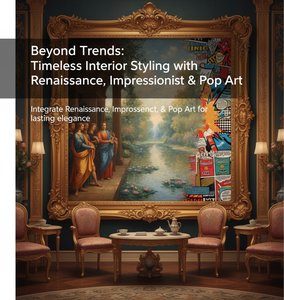 Beyond Ephemeral Trends: Cultivating Enduring Interior Aesthetics Through Renaissance Reverie, Impressionist Light, and Pop Art Vibrancy
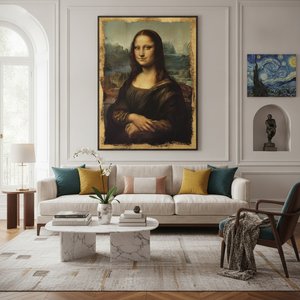
The Enduring Legacy of Renaissance Interiors: Symmetry, Narrative & Humanism Wikipedia: Art history Art history is an academic discipline devoted to the study of artistic production and visual culture throughout human history. Art historians use a hi...
Integrating fine art into your interior design requires a delicate balance between harmony and contrast. For those decorating with an eye toward enduring aesthetics, the key lies in understanding how the color temperature of a painting interacts with your existing decor. If your home features a neutral, contemporary palette of creams, greys, and soft beiges, an Impressionist piece with vibrant pops of orange, pink, or gold can serve as a stunning focal point, injecting much-needed warmth into the space. This creates a sophisticated tension between the modern and the classical.
However, for a more seamless, tranquil integration, one might look toward works that mirror the room's existing tones. A room decorated in cool blues and silvers will find a natural companion in Morisot’s soft, aquatic palettes or the serene, light-filled interiors of the Danish masters. When selecting art, consider the "color flow" within your room. You might even use the artwork to introduce a new accent color that is then subtly echoed in your textiles, such as velvet cushions or silk drapery. This creates a cohesive, designer-led look where the art does not just sit on the wall but actively participates in the room's architectural narrative.
Personalizing History: Transforming Modern Memories into Impressionist Masterpieces
 Self-Portrait with Bandaged Ear
Self-Portrait with Bandaged Ear is an 1889 self-portrait by Dutch Post-Impressionist artist Vincent van Gogh. The painting is in the collection of the Courtauld Institute of Art and on display in the Gallery at Somerset House. The painting includes i...
Perhaps the most enchanting frontier of modern art collecting is the ability to "remix" history, turning your own life milestones into works of fine art. We believe that your most cherished memories—a wedding day, a portrait of a beloved pet, or a family gathering—deserve the timeless elegance of the masters. Through advanced customization, it is now possible to take a contemporary photograph and request it be reimagined in the light-drenched style of Monet or the thick, emotive impasto of Van Gogh. This process allows you to bridge the gap between your personal history and the grand tradition of art history.
This transformative service goes far beyond simple reproduction; it is a creative collaboration. Imagine a group portrait where individuals from different photographs are seamlessly brought together into a single, cohesive composition, all rendered with the soft, unified light of an Impressionist garden. Or perhaps a "period shift," where a modern selfie is reimagined as if painted by a 17th-century master. By treating your personal images as the foundation for a bespoke oil painting, you create a legacy piece—a work of art that is uniquely yours, yet possesses the soul and prestige of a museum-grade treasure.
Expert Tips for Preserving Your Art: A Guide to Longevity and Care
Investing in high-quality, hand-painted oil reproductions is an investment in a legacy. To ensure that the vibrant pigments and delicate textures remain as luminous as the day they left the studio, proper care is essential. First and foremost, protect your artwork from the harshness of direct sunlight, which can cause pigments to fade over decades. While Impressionism celebrates light, too much intense UV exposure can compromise the integrity of the oils.
Furthermore, maintaining a stable environment is key. Avoid hanging particularly valuable canvases in areas with extreme fluctuations in humidity, such as directly above a fireplace or in damp basements. For framed pieces, using acid-free matting creates a vital air gap between the art and the glass, preventing moisture buildup that could lead to discoloration. When properly cared for—kept away from dust and extreme temperatures—a hand-painted oil on cotton canvas, protected by a fine coat of Damar varnish, can remain a vibrant, breathtaking centerpiece of your home for generations to come.
At ArtsDot.com, we are dedicated to making this level of beauty accessible to every art lover. Whether you are seeking a museum-quality reproduction of a classic masterpiece or wish to commission a custom portrait from your own photograph, our mission is to help you discover and bring home the art that speaks to your soul.