

The Ethereal Essence: Understanding the Unique Alchemy of Chalk and Pastel
 The Soft Magic of Chalk: Capturing Light, Texture, and the Ethereal Soul of Impressionist Masterpieces
The Alchemy of Pigment: Understanding the Ethereal Essence of Pastel and Chalk The Soft Power of Pastel: A Connoisseur's Guide to History, Technique, and the Art of Texture The Alchemy of Pigment: Understanding the Composition and Tactility of Pastel...
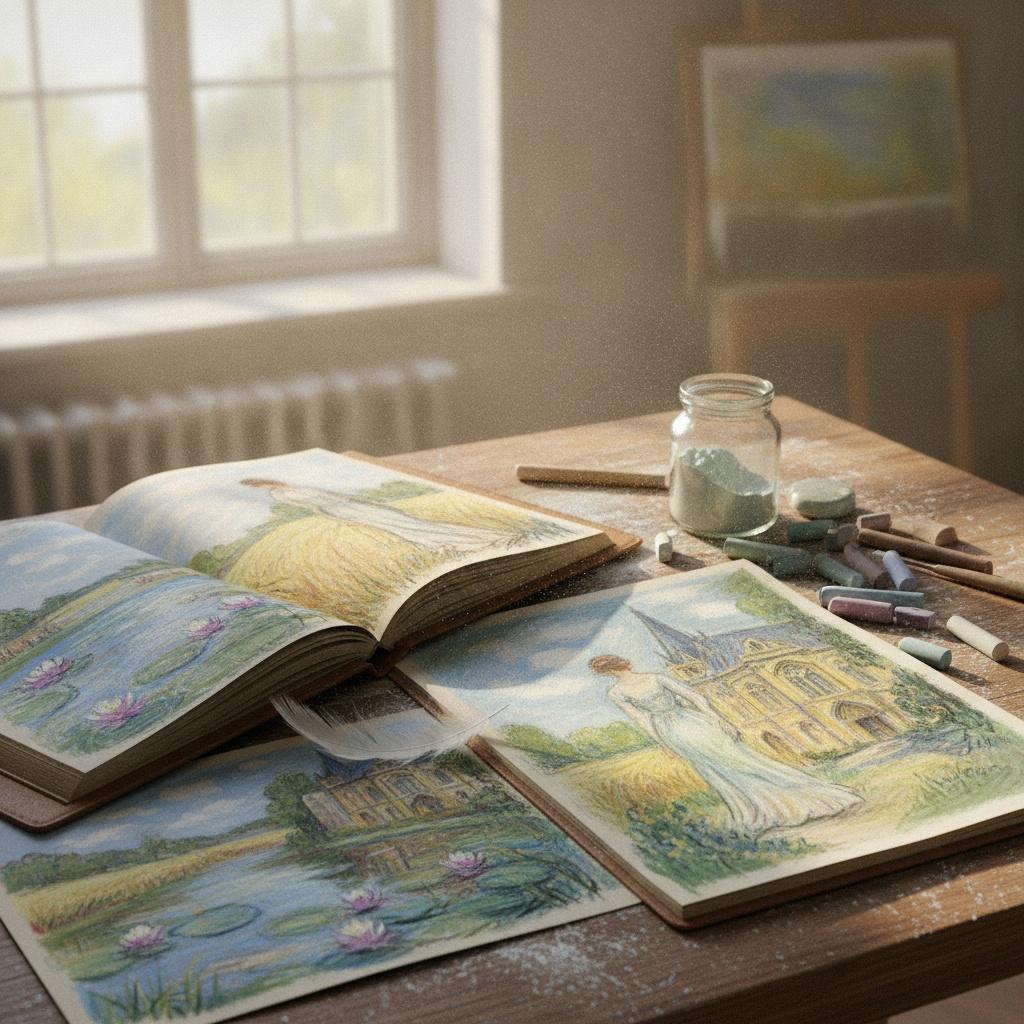
To encounter a true pastel work is to step into a realm where the boundary between pigment and air begins to dissolve. Unlike the heavy, structural permanence of oil paint, which relies on a substantial medium to bind color to canvas, pastel offers an ethereal immediacy that feels almost breath-like. At its most fundamental level, this medium is composed of pure, concentrated pigment held together by a minimal amount of binder—often just a minuscule trace of gum tragaciente or methyl cellulose. This lack of heavy resin allows the eye to perceive not merely color, but a delicate dusting of light that seems to vibrate against the surface of the paper.
There is a profound alchemy at work when these dry pigments meet a textured substrate. Because the pigment sits atop the grain of the paper rather than being forced into it through heavy oils, there is an inherent velvety texture that defines the medium's character. This creates a unique vocabulary of softness and tactility; when one gazes upon a masterwork, the eye perceives a multidimensional depth. The presence of inert white fillers, such as calcium carbonate or kaolin, provides a structural body to the sticks while maintaining their characteristic ability to crumble slightly when stroked across a support. It is this very fragility—this lightness of touch—that imbues pastel art with its signature romanticism and allows for a sense of capturing the fleeting essence of human emotion.
Mastering Texture: Techniques for Capturing Light, Shadow, and Softness
 10 Iconic Pastel Masterpieces That Revolutionized Art History
Introduction Imagine walking into a room where the light doesn't just hit the surface, but seems to breathe from within it. There is a specific kind of magic found in pastel—a soft, velvety texture that defies the rigid boundaries of traditional oil ...
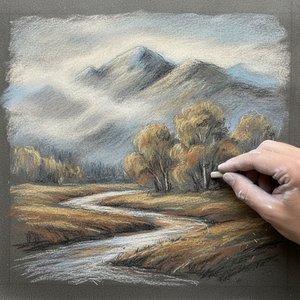
The true magic of chalk lies in its ability to manipulate light through physical interaction. Mastering this medium requires an understanding of how pressure and movement can transform a simple stroke into a luminous glow. One of the most vital techniques is the art of blending, where layers of pigment are softly rubbed together to create seamless transitions. This allows an artist to achieve those subtle gradations that mimic the soft curve of a cheek or the hazy horizon of a distant landscape. When we speak of capturing light, we are often speaking of the careful placement of highlights that seem to emerge from within the paper itself.
Beyond simple blending, the use of hatching and cross-hatching provides a way to build up tonal values and create a sense of volume. By varying the density of these delicate lines, an artist can mimic the rough texture of weathered stone or the smooth surface of silk. This interplay of light and shadow is what gives a drawing its sculptural quality. Furthermore, the choice of paper—specifically its "tooth" or grain—is paramount. A more textured paper allows for more pigment to be trapped within its crevices, enabling much deeper, richer layers of color. It is through this meticulous control of texture that an artist moves beyond mere representation and begins to create a sensory experience that invites the viewer to almost feel the artwork with their eyes.
From Sketch to Masterpiece: Learning from the Greats—Van Gogh to the Impressionists
 Sketch of an Eroded Garden-Wall Ornament
A Glimpse into Van Gogh’s Early Exploration: Sketch of an Eroded Garden-Wall Ornament This delicate chalk drawing, *Sketch of an Eroded Garden-Wall Ornament* (1885), offers a fascinating window into Vincent van Gogh's artistic development. Created du...
History provides us with breathtaking examples of how these soft textures can elevate even the most humble subjects. Consider the early explorations of Vincent van Gogh. In his 1885 work, Sketch of an Eroded Garden-Wall Ornament, we see a fascinating window into his development. Before the vibrant, swirling brushstrokes of his later oil paintings became legendary, Van Gogh used the delicate nature of chalk to capture the beauty within decay. He masterfully employed the medium to render the weathered surface of stone, using subtle gradations to explore time and texture. This piece demonstrates that even without a dazzling palette, the structural power of line and tone can convey profound emotion.
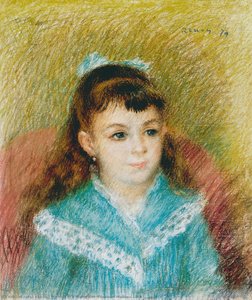
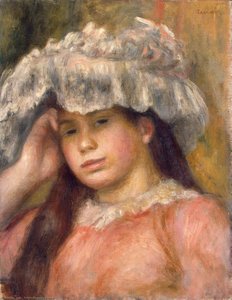
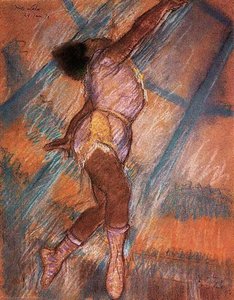
As we move into the era of the Impressionists and beyond, the use of pastel became a revolution in capturing the fleeting moment. Artists sought to translate the whispers of the wind and the subtle shifts of light into meticulously crafted drawings. Contemporary voices like Oxana Olegovna Klip continue this legacy, using the inherent softness of pastel to bridge the tangible world with the intangible realm of human emotion. These masters understood that the medium was not just a tool for documentation, but a way to capture the very breath of nature. By studying these historical precedents, we learn that the true strength of chalk and pastel lies in its ability to move away from rigid realism toward a more personal, subjective, and deeply felt vision of the world.
The Tactile Experience: Choosing Your Medium—Soft Pastels, Oil Pastels, and Chalk
 Oil pastel
Oil pastel is a type of pastel (an art medium that consists of powdered pigment and a binder) that uses mixture of non-drying oil and wax as binder. It differs from other pastels which are made with a gum or methyl cellulose binder, and from wax cray...
For the beginner or the connoisseur alike, navigating the variety of available media is essential to finding one's artistic voice. Soft pastels are perhaps the most widely used form; these sticks possess a higher proportion of pigment and less binder, making them incredibly easy to smudge and blend. This makes them ideal for those seeking to create atmospheric, dreamlike landscapes. On the other hand, oil pastels offer a different sensory experience entirely. Using a mixture of non-drying oil and wax as a binder, they produce colors that are highly saturated and bright. While they are more difficult to protect with a fixative, their creamy, buttery texture allows for a bold, impasto-like application that feels much more substantial.
Chalk, often used in more monochromatic or preparatory sketches, provides a crispness and a structural clarity that can contrast beautifully with the softness of pastel. When choosing between these media, one must consider the desired end result: do you seek the ethereal, powdery magic of a soft pastel sunset, or the vibrant, tactile energy of an oil pastel study? Each medium carries its own weight of history and technical requirements. Understanding these nuances allows for a more intentional approach to creativity, ensuring that the physical properties of your chosen tool are in perfect harmony with the emotional depth of your subject matter.
Bringing Art Home: Integrating Soft Textures into Modern Interior Design
 oxana olegovna klip
The Ethereal Vision of Oxana Olegovna Klip Born in the vibrant cultural landscape of Kyiv, Ukraine, in 1987, Oxana Olegovna Klip has emerged as a profound voice in contemporary pastel art. Her work serves as a delicate bridge between the tangible wor...
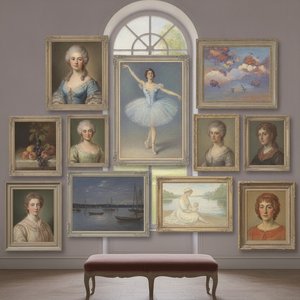
Integrating art into a home is an act of meaningful decoration, and pieces featuring soft textures offer a unique way to introduce warmth and soul into a living space. Unlike the heavy, structural permanence of large-scale oil paintings which can sometimes feel imposing, pastel and chalk works possess a lightness that breathes life into a room. They are particularly effective in creating focal points that invite intimacy. Imagine a wide hallway or a staircase adorned with a multi-panel set of soft-toned landscapes; the seamless flow of color across several canvases can create a modern, architectural rhythm that guides the eye through the home.
When selecting art for your interior, consider the mood and color palette of your existing decor. Soft, tonal works are perfect for creating a serene sanctuary in a bedroom, while more vibrant, saturated pastels can add a touch of energy to a contemporary living room. For those looking to transform a personal memory into a lasting legacy, the beauty of custom reproductions—such as having a cherished photograph reimagined in the light-drenched style of Monet—can turn a house into a curated gallery of one's own life. Whether through a single, delicate sketch or a large-scale mural, the soft magic of these textures ensures that your art does not just sit on the wall, but actively participates in the atmosphere of your home.