



The Ethereal Allure: Understanding the Softness of Pastel Mediums
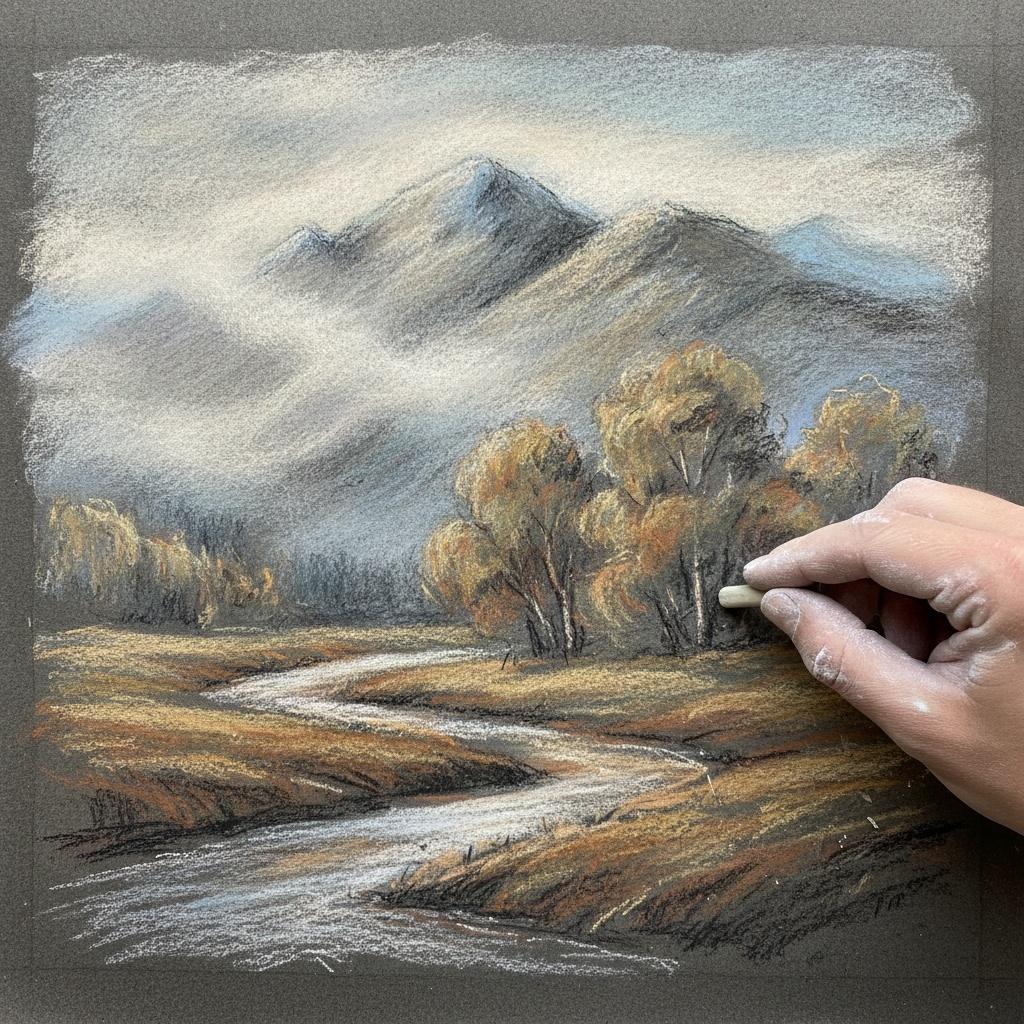
To encounter a true pastel masterpiece is to step into a realm where the boundaries between light and matter dissolve. Unlike the assertive, structural weight of oil on canvas, the medium of chalk and pastel offers an unparalleled ethereal quality, a delicate whisper of color that seems to float upon the surface of the paper. This softness is not merely a lack of definition; rather, it is a sophisticated manipulation of pigment particles that allows for a seamless transition of hues, creating a dreamlike atmosphere that captures the fleeting essence of a moment. For the discerning collector, this medium provides a unique emotional resonance, inviting a sense of tranquility and introspection that more robust mediums often bypass.
The magic lies in the very nature of the pigment itself—pure, unadulterated color held together by a minimal binder. When applied to a textured substrate, these fine particles settle into the grain, creating a matte finish that absorbs light rather than reflecting it harshly. This characteristic allows for the creation of subtle gradients and misty transitions, reminiscent of a morning fog or the gentle glow of twilight. In works such as those by the Impressionist masters, this softness becomes a tool for capturing the ephemeral, turning a simple study of a figure or a landscape into a poetic meditation on light and air.
Tactile Elegance: The Role of Texture and Impasto in Creating Depth
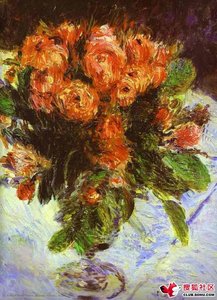
While the initial impression of pastel art is one of weightless softness, a profound depth is achieved through the masterful application of texture. True connoisseurship recognizes that the most captivating works are those that play with the tension between the smooth and the tactile. By layering pigment heavily—a technique often referred to as impasto in oil painting but achieved through dense chalk application in pastels—an artist can create a sculptural quality that commands the viewer's attention. This physical presence adds a third dimension to the work, where shadows are cast by the very ridges of the color itself.
This interplay of texture serves to ground the ethereal qualities of the medium, providing a necessary structural counterpoint. When an artist utilizes varying pressures, they can move from a whisper-thin veil of color to thick, velvety strokes that possess a palpable energy. This tactile elegance is what distinguishes a mere drawing from a profound work of fine art; it is the difference between seeing a subject and feeling its presence. For those curating high-end collections, seeking out pieces with this level of textural complexity ensures a dynamic visual experience that changes as the light in a room shifts throughout the day.
Mastering Light and Atmosphere: Lessons from the Impressionist Greats
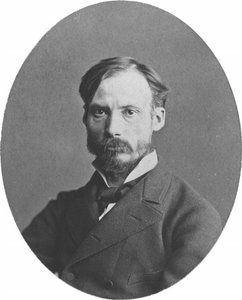
The history of fine art is irrevocably changed by the era when masters like Edgar Degas and Pierre-Auguste Renoir harnessed the potential of soft mediums to redefine light. These artists understood that light is never static; it is a living, breathing element that transforms the world every second. In works such as Degas’ Singer Green or his captivating depictions of dancers, we see the use of pastel to mimic the flickering, transient nature of stage lighting and movement. They did not merely paint objects; they painted the atmosphere surrounding them.
By observing the way light interacts with skin, fabric, and landscape, these masters utilized the powdery texture of chalk to replicate the diffusion of sunlight through clouds or the soft glow of candlelight. The ability to blend colors directly on the support allowed for a luminosity that feels as though it emanates from within the artwork itself. This mastery of atmosphere creates a sense of "living" art, where the viewer is not just an observer but a participant in the scene's quiet beauty. To collect such works is to possess a fragment of captured time, preserved through the delicate alchemy of pigment and light.
Curating the Sublime: Integrating Soft Textures into Modern Luxury Interiors
In the realm of contemporary interior design, the integration of soft-textured art serves as a cornerstone for creating sophisticated, serene environments. For the elite homeowner or the professional designer, selecting pieces that feature these velvety textures can transform a modern space from a mere room into a curated sanctuary. The subtle depth provided by pastel-inspired works offers a sophisticated alternative to the often stark and clinical nature of modern minimalism, adding warmth and a sense of historical continuity without overwhelming the architectural intent.
When designing for high-impact spaces—such as grand foyers, private libraries, or luxury suites—the goal is to achieve a balance of visual interest and tonal harmony. A large-scale, multi-panel pastel reproduction can act as a soft focal point, drawing the eye through its intricate textures rather than demanding attention through aggressive color. These works pair exquisitely with rich materials like marble, velvet, and polished hardwoods, creating a layered aesthetic that speaks to a refined, worldly taste. The key is to treat art not as an accessory, but as the very soul of the interior composition.
Preserving the Delicate: Expert Care for Fine Art Pigments and Surfaces
The very qualities that make pastel and chalk works so breathtaking—their delicate surface and powdery texture—also render them uniquely sensitive to their environment. For the serious collector, understanding the chemistry of preservation is essential to ensuring that these masterpieces remain vibrant for generations. The primary adversaries of fine art pigments are light, moisture, and atmospheric pollutants. Direct sunlight, in particular, can cause irreversible fading of even the most stable organic pigments, stripping a work of its intended emotional depth.
To protect such an investment, professional-grade framing is non-negotiable. The use of acid-free matting is critical to create a necessary air gap between the artwork and the glazing, preventing moisture buildup that could lead to mold or pigment degradation. Furthermore, maintaining a stable climate within the home—avoiding extreme fluctuations in humidity—is vital for the structural integrity of the canvas and the stability of the pigments. When art is treated with the reverence it deserves, through proper varnishing and archival housing, it ceases to be a mere object and becomes a lasting legacy, a timeless testament to human creativity that survives the passage of time.
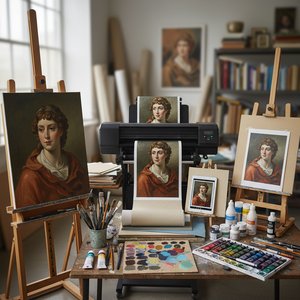
At ArtsDot.com, we specialize in the preservation of this artistic heritage. From our meticulously hand-painted oil reproductions that capture the impasto textures of the masters to our bespoke custom commissions, every piece is a labor of passion and academic excellence. Whether you are seeking to transform a personal photograph into a Renaissance-style masterpiece or looking for large-scale murals to define a luxury hotel space, our dedicated Project Coordinators and master artists ensure museum-grade quality. We invite you to explore our vast library of over 465,000 paintings and experience the unparalleled service of a global leader in fine art.