
The Golden Glow: Discovering the Spiritual Radiance of High Medieval Art
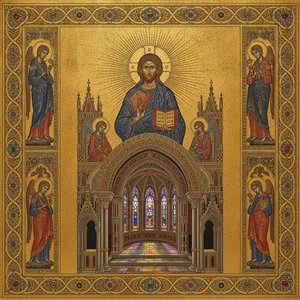 Divine Light & Golden Splendor: A Journey Through the Sacred Grandeur of High Medieval Art
The Golden Glow: Understanding the Spiritual Significance of Light in Medieval Masterpieces To step into the world of High Medieval art is to enter a realm where light is not merely a physical phenomenon, but a profound theological presence. For the ...
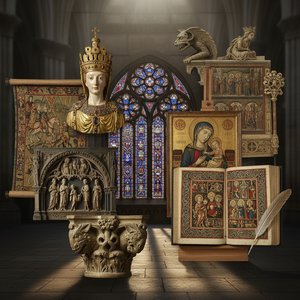
To step into the world of High Medieval art is to enter a realm where light is far more than a mere physical phenomenon; it is a profound theological presence, acting as a shimmering bridge between the earthly and the eternal. During this transformative era, roughly spanning 1000 to 1300 AD, Europe was emerging from shadows of upheaval into a period of newfound confidence and spiritual fervor. For the medieval soul, light was the most direct manifestation of the Divine. When we gaze upon the gilded surfaces of masterpieces from this age, such as the breathtaking works inspired by Byzantine traditions, we are not simply observing the application of gold leaf. We are witnessing an intentional attempt to capture the uncreated light of heaven, stripping away worldly shadows to focus the heart on sanctity.
This luminous atmosphere was carefully orchestrated through a marriage of precious materials and profound meaning. Every glint of gold and every carefully placed highlight in a medieval masterpiece served as an instructional tool, designed to illuminate the mysteries of faith through visual splendor. This use of golden splendor creates a transcendental space within the art, inviting the viewer into a state of deep contemplation. Even centuries later, this intentionality continues to stir our emotions, reminding us of a time when beauty was inseparable from devotion and where every shimmering surface held a silent prayer.
From Scriptoriums to Living Rooms: Bringing Intricate Illumination into Modern Spaces
 north western italy scriptorium
Origins and the Dawn of Illuminated Script Within the shadowed halls of medieval monasteries, a remarkable tradition blossomed – the art of the scriptorium. More than simply a room for copying manuscripts, it was a crucible where faith, scholarship, ...
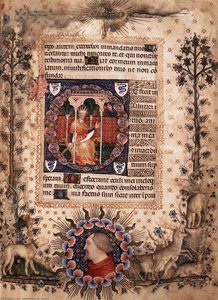
Imagine the quiet, hallowed halls of a medieval monastery, specifically the scriptorium—a crucible where faith, scholarship, and artistry converged. In these shadowed spaces, skilled scribes and artists meticulously breathed life into manuscripts, creating works like the North Western Italy Scriptorium's breathtaking illuminations. These were not merely functional texts but vibrant, breathing works of art. The beauty of this tradition lies in its incredible detail: the way a single letter might bloom into an intricate floral design, or how a miniature scene captures a sacred narrative with delicate pen strokes. Bringing this level of intricacy into a modern home allows us to introduce a sense of history and storytelling into our contemporary surroundings.
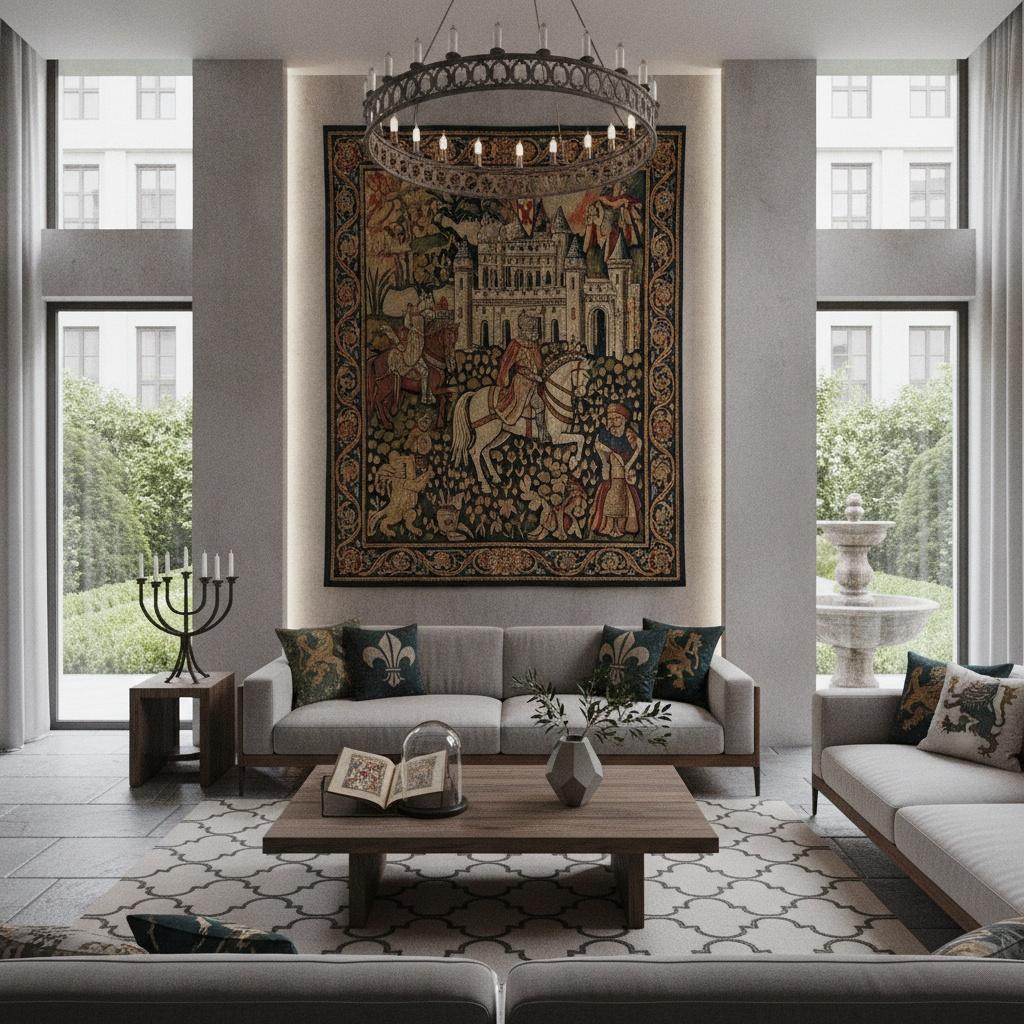
Integrating these elements does not require a complete architectural overhaul; rather, it is about finding the right focal points. A high-quality reproduction of an illuminated bifolium, with its rich pigments and delicate commentary, can serve as a stunning conversation piece in a study or a library. By selecting pieces that feature the fine lines and vibrant colors characteristic of Parisian Gothic manuscript illumination, you can introduce a layer of intellectual depth to your decor. It is about creating a visual journey that connects your personal space to the enduring legacy of human craftsmanship, allowing the intricate beauty of the past to breathe within the clean lines of the modern era.
A Symphony of Light and Texture: Incorporating Gothic Elements through Canvas and Gold Leaf
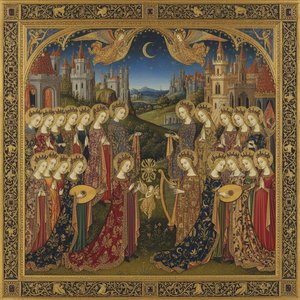 The Magic of International Gothic: Elegance, Gold, and Courtly Splendor in Medieval Art
The Radiant Dusk: Defining the International Gothic Aesthetic The Radiant Dusk of Medieval Vision: Exploring Late Gothic Art's Synthesis of Faith, Form & Emotionality (c. 1300-1500) Introduction: The Twilight of Gothic – A New Aesthetic Sensibility T...
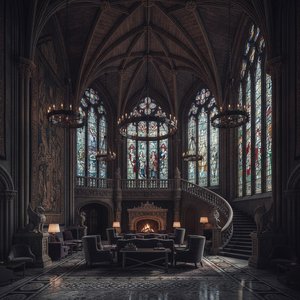
The transition from the Romanesque style to the soaring Gothic was marked by a shift toward verticality and light, characterized by pointed arches, ribbed vaults, and the ethereal glow of stained glass. This aesthetic is defined by an exquisite love for ornamentation and symbolic storytelling. In a modern interior, we can evoke this Gothic splendor through the tactile richness of hand-painted oil reproductions. Unlike flat, computer-printed posters, a true oil painting on cotton canvas offers a depth of texture that mimics the physical presence of medieval art. The visible brushstrokes and the interplay of light across the impasto surface create a rhythmic, celestial canopy within a room.
To truly capture the essence of this era, one might look toward the use of gold leaf and vibrant, natural pigments. The alchemy of medieval artistry—using materials like gold to create shimmering halos—can be reimagined through modern canvas works that emphasize luminosity. When choosing art for your home, consider how the texture of the paint can interact with your room's lighting. A painting with a rich, heavy application of paint will catch the light differently throughout the day, much like the windows of a great cathedral. This creates a dynamic environment where the art feels alive, offering a sense of timeless elegance that transcends the boundaries of time.
Curating a Historical Narrative: Using Multi-Panel Sets and Large-Scale Murals for Dramatic Impact
 Gothic architecture
Gothic architecture is an architectural style prevalent in Europe from the late 12th to the 16th century, during the High and Late Middle Ages, surviving into the 17th and 18th centuries in some areas. It evolved from Romanesque architecture and was ...
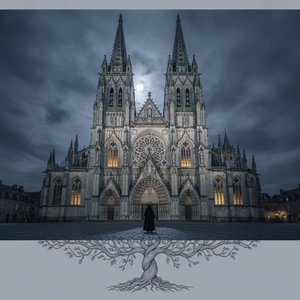
For those looking to make a bold architectural statement, the High Medieval period offers incredible inspiration through scale and arrangement. The Gothic cathedral was designed as a stone vessel for the divine, pulling the eyes of the faithful upward toward the heavens. We can replicate this sense of awe in modern homes using multi-panel set paintings or large-format murals. Splitting a grand historical image across three, four, or five panels is a wonderful way to decorate wide walls or staircases, creating a cohesive and modern architectural look that feels both expansive and curated.
If you possess a grand space, such as a high-ceilinged foyer or a luxury hotel lounge, consider the transformative power of a mural. Much like the great frescoes of history, large-scale canvas rolls can be used to recreate historical ceilings or feature walls that transport guests to another era. These works allow for a dramatic impact, turning a standard room into a curated gallery. By using these expansive formats, you are not just decorating a wall; you are constructing a narrative of grandeur and importance, utilizing the very principles of scale that once defined the most magnificent structures of the Middle Ages.
Personalizing the Past: Transforming Modern Memories into Medieval Masterpieces
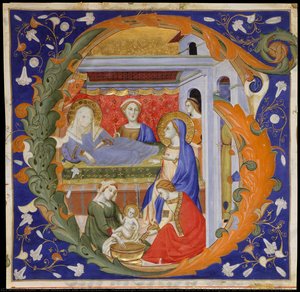
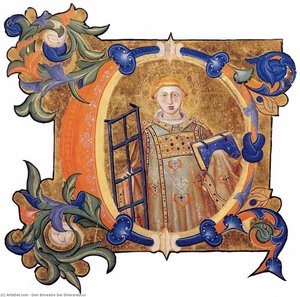 Gradual from Santa Maria degli Angeli (Folio 134)
A Window into Medieval Faith: Don Silvestro’s “Gradual from Santa Maria degli Angeli” The year is 1370. Within the serene confines of a Florentine monastery, a master craftsman meticulously brought to life a fragment of divine wisdom – folio 134 from...
Perhaps the most enchanting way to connect with this historical era is through the art of the personal transformation. The beauty of the High Medieval period lies in its ability to turn the mundane into the sacred. Today, we can use this same principle to bridge our personal histories with the grandeur of the past. Through advanced artistic techniques, it is possible to take a modern photograph—a wedding portrait, a cherished family milestone, or even a pet portrait—and reimagine it through the lens of medieval artistry.
Imagine seeing a loved one rendered in the luminous, gilded style of a 14th-century Florentine scriptorium, or your faithful companion depicted with the regal dignity of a medieval knight. This "period shift" allows you to create something truly unique: a piece of art that is both deeply personal and historically profound. By blending modern imagery with the techniques of the Old Masters—such as the rich textures of oil paint and the symbolic use of light—you create a lasting memory that is not just a photograph, but a masterpiece. It is an invitation to live surrounded by art that tells your story through the timeless language of history.