The Golden Glow: Understanding the Spiritual Significance of Light in Medieval Masterpieces
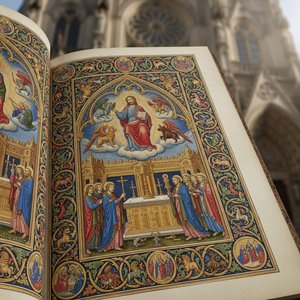
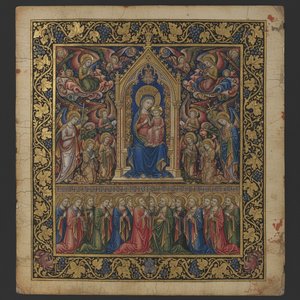
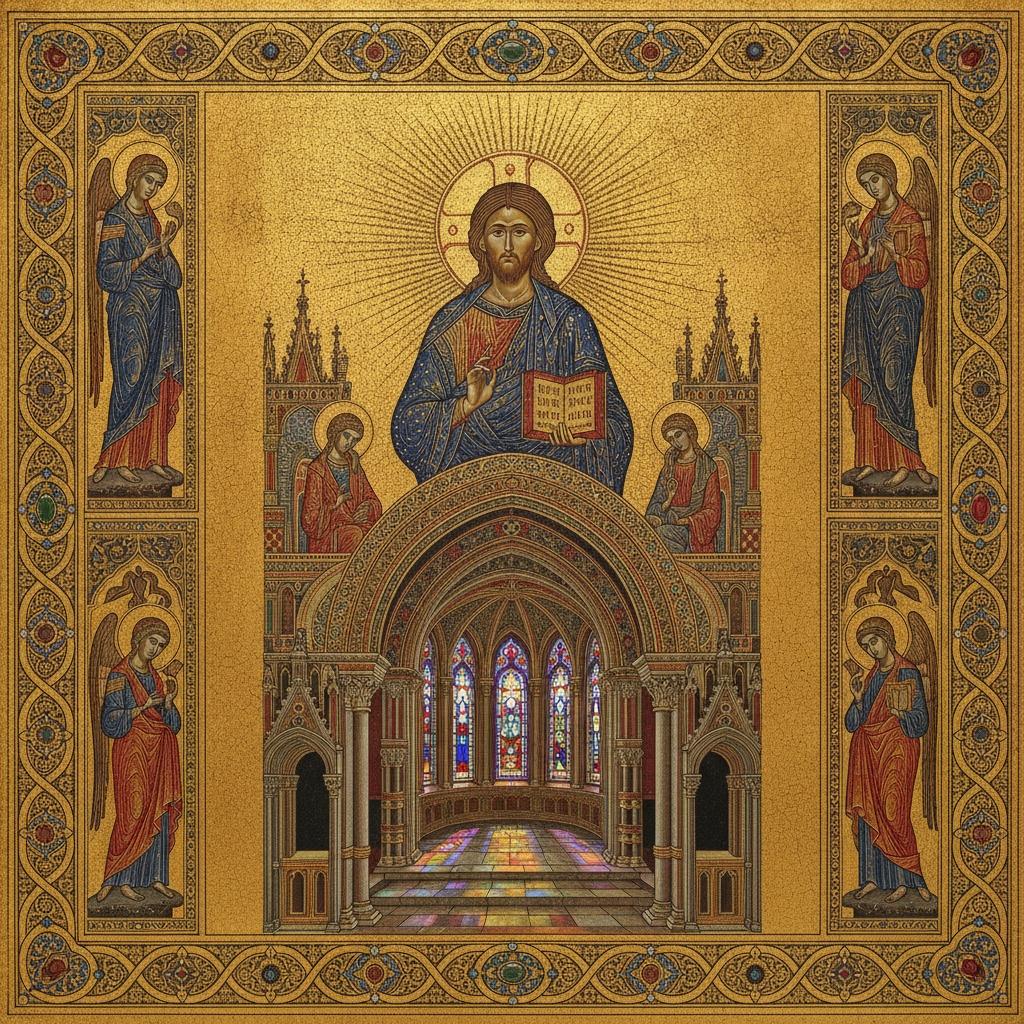
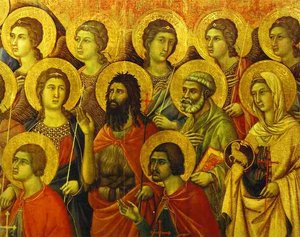
To step into the world of High Medieval art is to enter a realm where light is not merely a physical phenomenon, but a profound theological presence. For the medieval soul, light was the most direct manifestation of the Divine, a shimmering bridge between the earthly and the eternal. When we gaze upon the gilded surfaces of Byzantine-inspired works, such as the breathtaking Crucifixion by Duccio di Buoninsegna, we are not simply looking at gold leaf; we are witnessing an attempt to capture the uncreated light of heaven. This use of gold creates a transcendental space, stripping away the distractions of worldly shadows to focus the viewer's heart on the sanctity of the subject.
This luminous atmosphere was carefully orchestrated to evoke awe and contemplation. The brilliance of these works served a purpose far beyond mere decoration; it was an instructional tool for the faithful, designed to illuminate the mysteries of faith through visual splendor. In every glint of gold and every carefully placed highlight, there lies a silent prayer, an invitation to look past the material surface and perceive the spiritual truth beneath. It is this intentionality—this marriage of precious materials and profound meaning—that continues to stir the emotions of art lovers today, reminding us of a time when beauty was inseparable from devotion.
Architectural Echoes: The Gothic Cathedral as a Vessel for Divine Presence
If light was the soul of medieval art, then the Gothic cathedral was its magnificent body. These soaring structures were engineered to act as stone vessels for the divine, pulling the eyes of the faithful upward toward the heavens. One cannot contemplate this era without feeling the weight and wonder of places like Exeter Cathedral, where the world's longest uninterrupted medieval stone vaulted ceiling creates a rhythmic, celestial canopy. The architecture itself—with its pointed arches, flying buttresses, and ribbed vaults—was a feat of spiritual engineering, designed to dissolve the boundaries between the heavy earth and the weightless sky.
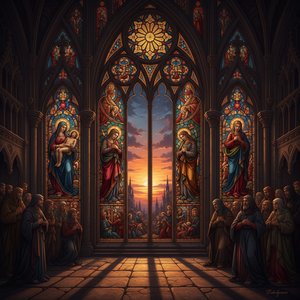
The true magic of these cathedrals, however, lies in the interplay of stone and glass. The development of large stained-glass windows allowed for the infusion of lux nova, or "new light," into the nave. As sunlight filtered through these vibrant narratives, it transformed the interior into a kaleidoscopic sanctuary, where the stories of saints were told in shifting patterns of color. Even in more modern reflections, such as Karl Friedrich Schinkel’s serene watercolor A Gothic Cathedral behind Trees, we see how the silhouette of the cathedral remains a symbol of enduring strength and spiritual aspiration, standing as a silent sentinel of history amidst the changing landscape.
Sacred Narratives: From Byzantine Iconography to the Emergence of Human Emotion
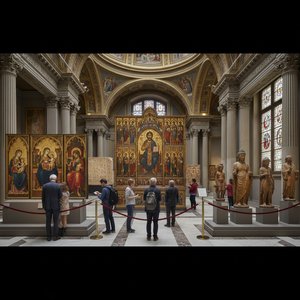
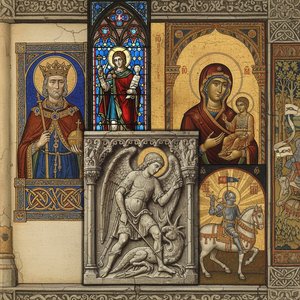
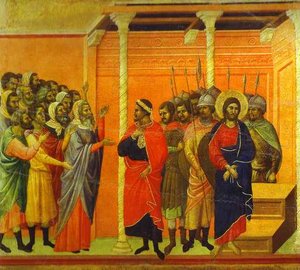
The transition from the rigid, symbolic language of Byzantine iconography toward a more tender, humanized expression marks one of the most poignant chapters in art history. In the earlier periods, figures were often depicted with a stylized, eternal stillness, emphasizing their existence in a realm beyond time. However, as we move through the High Middle Ages, we begin to see the subtle emergence of emotion and movement. Artists like the enigmatic Master of Saint Francis began to blend these traditional Byzantine elements with a burgeoning interest in the natural world, breathing a new, relatable life into sacred figures.
This evolution allowed for a deeper connection between the viewer and the divine narrative. We see it in the way faces begin to reflect sorrow, compassion, or quiet contemplation. This shift did not abandon the sacred; rather, it sought to find the sacred within the human experience. The stories of the saints became more intimate, less distant. It was a period of profound artistic tension, where the grandeur of tradition met the tender pulse of humanity, creating a visual language that could speak to both the majesty of God and the vulnerability of man.
Sculpting the Heavens: The Intricate Beauty of Romanesque and Gothic Reliefs
While paintings and windows captured the light, sculpture gave the medieval era its tactile, physical presence. The stone surfaces of cathedrals served as a canvas for intricate reliefs that brought biblical histories to life in three dimensions. A masterful example can be found in the works of Gislebertus, particularly his 12th-century Dream of the Magi at Autun Cathedral. Here, the Romanesque style uses expressive, sometimes exaggerated forms to convey intense spiritual energy, where every fold of drapery and every gesture of a hand is imbued with symbolic weight.
As the Gothic period progressed, sculpture moved toward a greater degree of naturalism and grace. We see this transition in the works of masters like Peter Cavallini, whose ability to bridge the gap between the monumental and the human allowed for sculptures that felt both architecturally integrated and emotionally resonant. These carvings were not merely ornaments; they were "sermons in stone," designed to be read by all, regardless of literacy, ensuring that the majesty of the heavens was etched into the very fabric of the earthly pilgrimage.
A Legacy of Devotion: How Medieval Artistry Shaped the Foundations of Western Aesthetics
The influence of High Medieval art extends far beyond its original religious context; it laid the very foundation upon which much of Western aesthetic tradition was built. The meticulous attention to detail, the profound respect for craftsmanship, and the belief that beauty could serve a higher truth are all legacies of this era. From the intricate etchings of John Taylor Arms that capture the grandeur of medieval pageantry to the way later masters would grapple with light and form, the echoes of the Middle Ages are everywhere.
To study this period is to understand the roots of our visual language. It teaches us that art is most powerful when it transcends the mere imitation of nature to touch something deeper within the human spirit. Whether through the golden splendor of a painted icon or the soaring heights of a stone vault, the High Medieval era remains a testament to the enduring power of devotion and the eternal quest to capture the divine in the finite world.