The Celestial Canvas: Understanding the Spiritual Purpose of High Medieval Art
To step into the world of High Medieval art is to leave the mundane behind and enter a realm where every brushstroke serves as a bridge between the earthly and the divine. During this transformative era, art was rarely conceived as mere decoration or an expression of individual ego; rather, it functioned as a profound theological instrument. The artist acted as a conduit, translating complex spiritual doctrines into visual narratives that could be understood by all, from the most learned clerics to the illiterate peasantry. This period saw the emergence of a visual language designed not to mimic the physical world with photographic accuracy, but to evoke the eternal essence of the soul.
The primary objective of these works was anagogical—a term used by theologians to describe the process of leading the mind upward from material beauty to spiritual truth. When a viewer gazed upon a gilded surface or a vibrant pigment, they were not meant to admire the wealth of the patron alone, but to contemplate the unapproachable light of the Creator. This sacred purpose dictated the very composition of the era's most significant works, prioritizing clarity, hierarchy, and a sense of timelessness that transcended the fleeting nature of human existence.
In conclusion, the High Medieval period established art as a vital component of liturgical life, where the beauty of the image was inseparable from the sanctity of the message it carried to the faithful.
Luminous Symbols: Decoding Iconography and Sacred Geometry
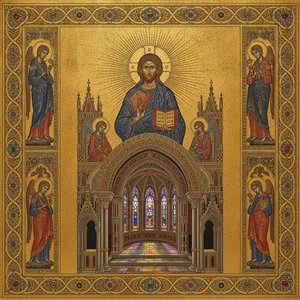
Within the intricate tapestries of medieval imagery lies a sophisticated system of symbols that requires a discerning eye to decode. Every element—from the specific hue of a saint's robe to the placement of a lily—carries a weight of profound meaning. For instance, the use of gold leaf was not merely an aesthetic choice for luxury; it represented the incorruptible, divine light of heaven, creating a shimmering atmosphere that seemed to vibrate with supernatural energy. Similarly, the presence of certain animals or plants served as silent sermons, where a lamb might signify sacrifice and a dove embodied the Holy Spirit.
Beyond individual symbols, the era was deeply rooted in the principles of sacred geometry. The mathematical precision found in the arrangement of figures and the proportions of religious panels reflected the belief that God had ordered the universe through divine measurement. This use of geometry created a sense of cosmic harmony and stability, guiding the viewer's eye toward central, most holy figures. By observing the rhythmic repetition of shapes and the balanced distribution of weight within a composition, one can sense the underlying order of a divinely structured cosmos.
Ultimately, understanding this iconography allows the modern enthusiast to move beyond surface-level observation, unlocking a deeper, more meditative connection with the spiritual intentions of the medieval masters.
From Altarpieces to Illumination: Key Mediums of the Middle Ages
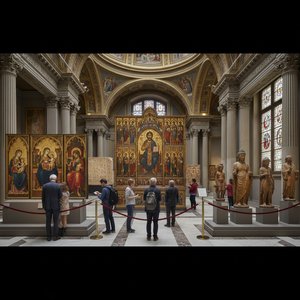
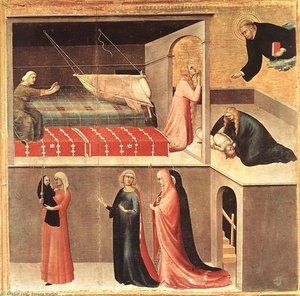
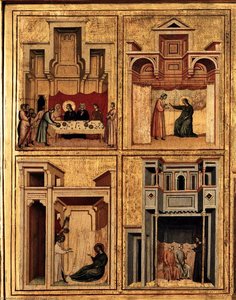
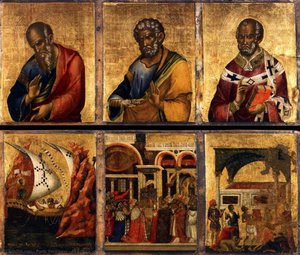
The physical manifestation of medieval devotion took many forms, each utilizing unique mediums to achieve varying degrees of intimacy and grandeur. The altarpiece stands as perhaps the most monumental of these, often consisting of intricate multi-panel structures that transformed the sanctuary into a theatrical stage for sacred history. These works, such as those produced by the Master of the Aix-en-Chapelle Altarpiece, utilized heavy wood supports and layers of tempera or early oil to create deep, resonant colors that could withstand the passage of centuries while maintaining their theological impact.
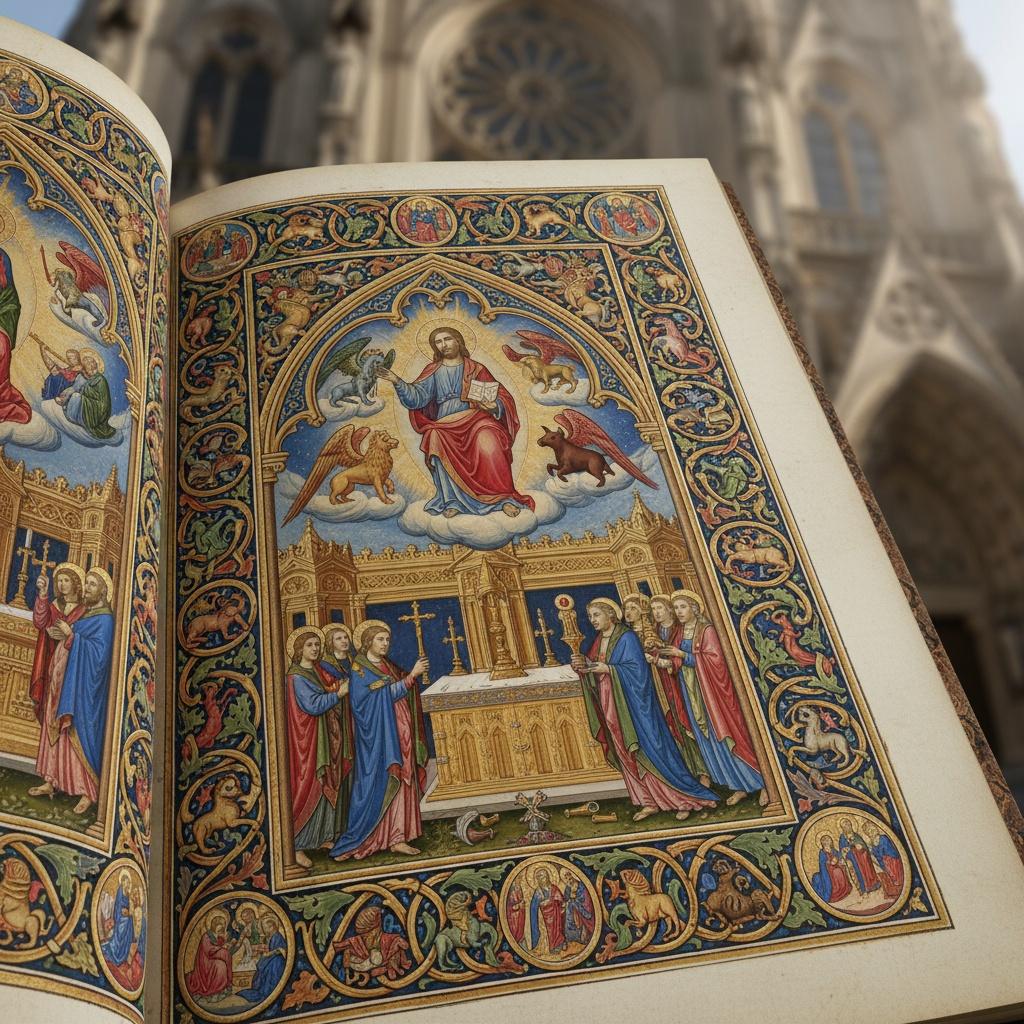
In contrast to the public grandeur of altarpieces, the art of manuscript illumination offered a more private, contemplative experience. Within the quiet confines of monastic scriptoriums, monks meticulously decorated vellum pages with microscopic detail and precious pigments. These illuminated manuscripts were treasures of intense devotion, where the delicate intertwining of vines and letters created a miniature universe of prayer. Whether it was the large-scale narrative of a cathedral's painted panels or the whispered beauty of a prayer book, the medium was always chosen to amplify the sanctity of the text.
Through these diverse mediums, the medieval artist ensured that the divine presence was felt in every corner of society, from the vast expanse of the cathedral nave to the intimate pages of a personal devotional book.
The Architecture of Devotion: Gothic Cathedrals as Living Masterpieces
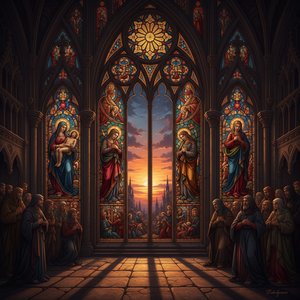
One cannot truly appreciate High Medieval art without considering the architectural vessel that housed it. The Gothic cathedral was not merely a building; it was a "sermon in stone," a three-dimensional masterpiece designed to manipulate light and space to inspire awe. The innovation of the pointed arch, the ribbed vault, and the flying buttress allowed architects to push walls thinner and windows larger than ever before. This structural revolution enabled the creation of vast expanseme of stained glass, which acted as a translucent veil between the physical world and the celestial realm.
As light filtered through these colored windows, it transformed the interior into a kaleidoscopic environment, where the "lux nova" or new light could dance across the stone floors and sculptural reliefs. This interplay of light and shadow created an atmospheric depth that mimicked the mystery of the divine. The architecture worked in perfect symbiosis with the portable arts; the sculptures on the portals echoed the themes found in the altarpieces, creating a unified, immersive environment of worship that enveloped the believer in a total sensory experience of the sacred.
Thus, the Gothic cathedral remains the ultimate expression of medieval art, where engineering and aesthetics converged to create a permanent, earthly reflection of the Heavenly Jerusalem.
Light and Transcendence: The Evolution of Color and Texture in Late Gothic Painting
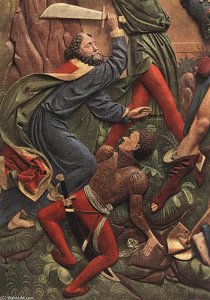
As the High Medieval period transitioned into the Late Gothic era, a subtle but profound shift occurred in the treatment of color and texture. Artists began to move toward a heightened realism, as seen in works like Lukas Moser’s Meerfahrt Der Heiligen, where the introduction of more sophisticated oil techniques allowed for greater depth, translucency, and atmospheric perspective. The textures became more tactile; one could almost feel the weight of heavy velvet or the coolness of stone through the masterful application of pigment.
This evolution did not abandon spiritual symbolism but rather enhanced it through a more nuanced use of light. The way light hit a textured surface—creating highlights and deep, velvety shadows—added a sense of drama and presence to religious figures, making them feel more accessible yet no less miraculous. This period saw the beginning of a movement where the physical world was rendered with such exquisite detail that it served to magnify, rather than distract from, the spiritual truth being portrayed.
In conclusion, the progression of color and texture in Late Gothic art represents a beautiful tension between the pursuit of naturalistic beauty and the enduring commitment to representing the divine splendor of the eternal.
For those who find themselves captivated by the timeless elegance of these historical eras, ArtsDot.com offers an unparalleled way to bring this majesty into your own home. We specialize in high-quality, hand-painted reproductions and museum-grade Giclée prints that preserve the tactile soul and spiritual depth of the Old Masters. Whether you seek a bespoke oil masterpiece or a custom "remix" of a classical icon, our artists are dedicated to maintaining the academic excellence and profound beauty of art history for a modern audience.