
The Historical Canvas: Still Life Painting & The Evolution of Culinary Presentation
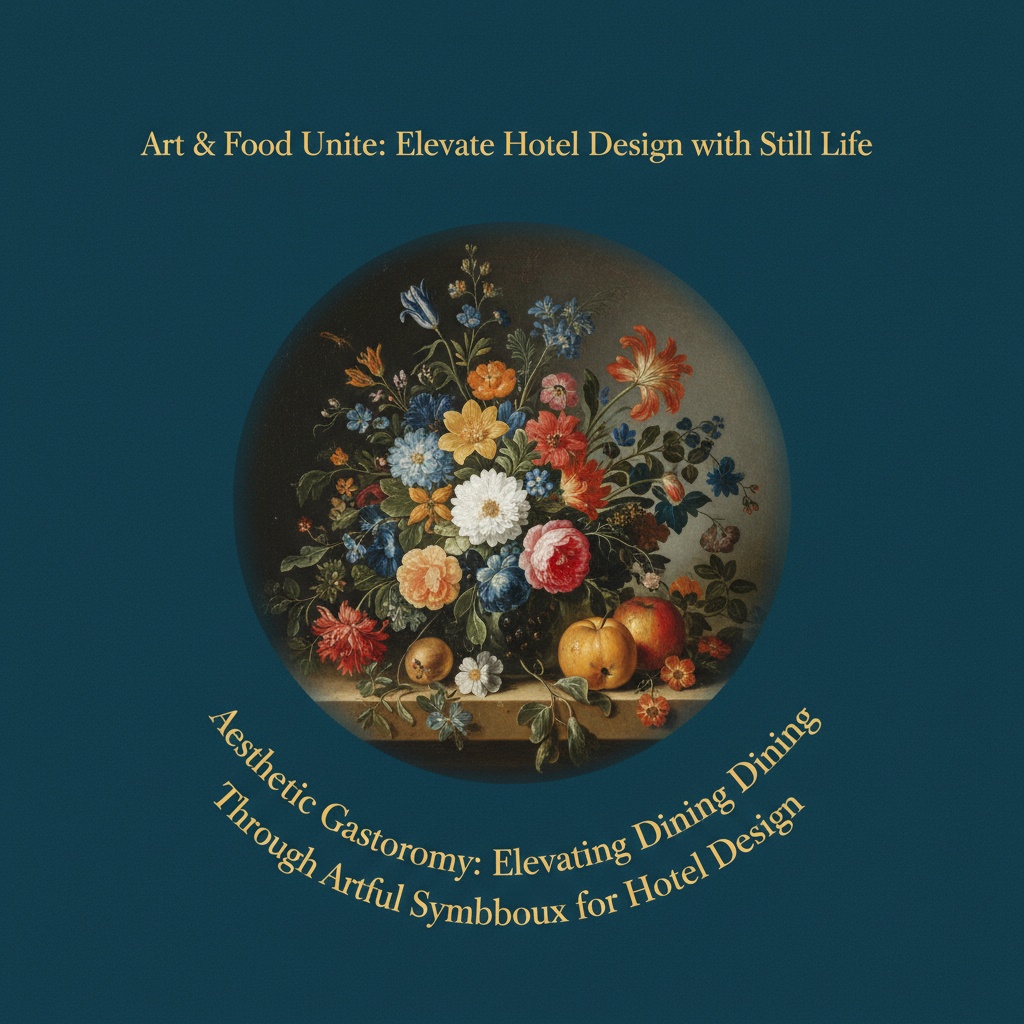
For centuries, the art of dining has been inextricably linked to the visual arts, a connection most profoundly expressed through the genre of still life painting. Before photography and widespread culinary documentation, artists served as the primary chroniclers of feasts, banquets, and even humble repasts. Early examples, often found adorning the walls of wealthy patrons’ homes, weren't merely depictions of food; they were statements of status, prosperity, and refined taste. Consider the Dutch Golden Age masters – painters like Willem Kalf and Pieter Claesz elevated commonplace objects—a half-peeled lemon, a silver goblet, a scattering of oysters—to symbols of abundance and fleeting beauty. These weren’t simply paintings *of* food; they were carefully constructed narratives about life's pleasures and the inevitable passage of time. The meticulous detail wasn’t accidental; it was a demonstration of skill, a celebration of texture, light, and form that directly influenced how those same delicacies were presented on tables below.
The arrangement itself became an art form. Compositions weren't random but deliberately orchestrated to create visual harmony and draw the eye. The placement of objects, the interplay of shadows, and the choice of color palettes all contributed to a sense of balance and sophistication. This early emphasis on presentation laid the groundwork for modern culinary aesthetics, where plating is considered as crucial as the ingredients themselves. The desire to not just taste something delicious but to *experience* it visually—a legacy directly traceable back to those meticulously rendered canvases.
Decoding Vanitas & Symbolism: Layering Meaning into Dining Aesthetics
 Silent Narratives: Exploring the Enduring Appeal of Still Life Painting Across Centuries
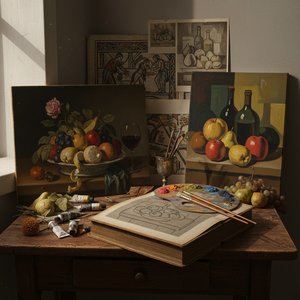
Explore the rich history of still life painting with ArtsDot. Discover Dutch Masters, decode vanitas symbolism & learn about collecting timeless art. Expert insights and museum-quality reproductions.
Beyond mere representation, still life painting often served a deeper purpose – the exploration of mortality and the ephemeral nature of earthly pleasures. The *vanitas* tradition, particularly prevalent in 17th-century Dutch art, infused seemingly innocent depictions of food with layers of symbolic meaning. A wilting flower represented the transience of beauty, a half-eaten fruit alluded to decay, and an overturned wine glass symbolized the fleeting nature of life itself. These weren’t morbid warnings but rather gentle reminders to appreciate the present moment and the fragility of existence.
This symbolic language can be powerfully translated into contemporary dining spaces. A carefully chosen arrangement of seasonal fruits, for example, might evoke a sense of abundance while subtly acknowledging the cyclical nature of time. The inclusion of antique silver or aged wood can add a layer of historical depth and sophistication, hinting at the passage of generations and the enduring appeal of simple pleasures. Understanding these underlying themes allows designers to create environments that are not only visually appealing but also intellectually stimulating—spaces that invite contemplation and conversation.
From Baroque Opulence to Modern Minimalism: Art Movements and Tabletop Design
 Severin Roesen: Evoking National Identity Through American Still Life Painting
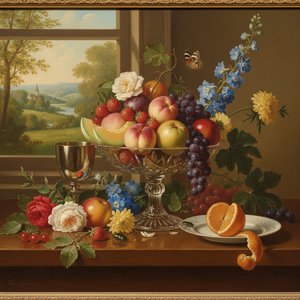
Explore the captivating world of Severin Roesen, a major American still life painter influenced by Dutch masters. Discover his lush compositions and the symbolism within his art – a window into 19th-century America.
The evolution of art movements profoundly impacted culinary aesthetics. The Baroque period, with its emphasis on grandeur and drama, translated into lavish table settings featuring ornate silverware, towering centerpieces, and an abundance of rich colors and textures. Think of William Mason Brown’s still lifes – opulent displays of fruit and golden goblets that exuded wealth and extravagance. This aesthetic prioritized spectacle and indulgence, reflecting the power and status of those who commissioned such elaborate feasts.
As art shifted towards Modernism, so too did dining aesthetics. The clean lines and simplified forms of movements like Cubism and Minimalism found their way onto tabletops, with a focus on functionality and understated elegance. Alfred Henry Maurer’s “Still Life with Muffins” exemplifies this shift—a captivating composition that prioritizes form and color over elaborate detail. Today, designers often blend elements from different periods, creating eclectic spaces that reflect a sense of individuality and sophistication. A sleek, minimalist table setting might be punctuated by a single, striking piece of Baroque-inspired silverware or a vibrant abstract painting to add visual interest.
Pop Art Palates: Injecting Boldness and Playfulness into the Restaurant Experience
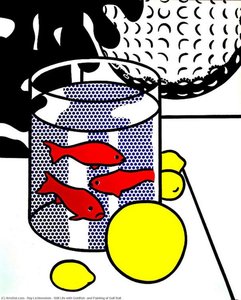 Still Life with Goldfish (and Painting of Golf Ball)
Explore Roy Lichtenstein’s ‘Still Life with Goldfish’! Bold pop art, comic book influence & cubist elements combine in this iconic 1972 masterpiece. Discover its unique style and captivating details.
The emergence of Pop Art in the mid-20th century brought a radical new energy to the world of art—and, by extension, dining. Artists like Roy Lichtenstein challenged traditional notions of beauty and embraced everyday objects as subjects for their work. His “Still Life with Goldfish” is a prime example – a bold, graphic composition that combines comic book imagery with cubist elements. This playful aesthetic translated into restaurants featuring bright colors, unconventional materials, and a sense of irreverence.
Pop Art’s influence can be seen in the use of vibrant tableware, quirky artwork, and unexpected design details. A diner might feature booths upholstered in bold patterns or walls adorned with oversized reproductions of iconic food advertisements. This approach is particularly effective for creating casual, energetic spaces that appeal to a younger audience. The key is to embrace a sense of fun and experimentation—to challenge conventions and create an environment that is both visually stimulating and memorable.
Abstract Expressionism & Gastronomic Innovation: A Fusion of Taste and Visual Form
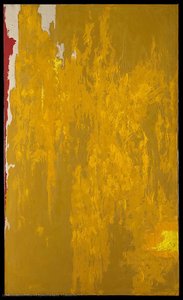
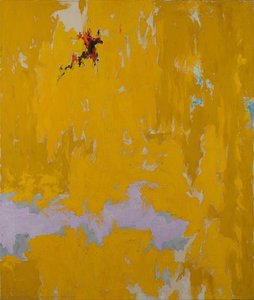
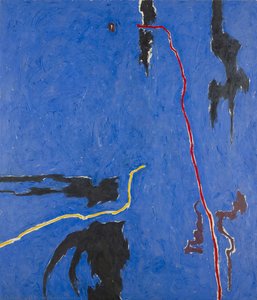
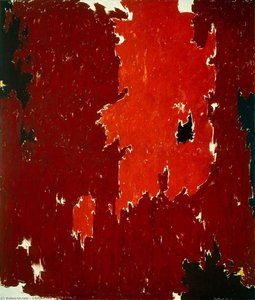
The spontaneous energy and emotional intensity of Abstract Expressionism, with artists like Jackson Pollock and Mark Rothko, found a surprising resonance in the world of gastronomy. Chefs began to view plating as an artistic expression—a way to convey emotion and create unique sensory experiences. Deconstructed dishes, unconventional sauces, and unexpected flavor combinations became hallmarks of this approach.
The connection lies in the shared emphasis on texture, color, and form. A chef might use a variety of techniques – swirling sauces, scattering microgreens, arranging ingredients in abstract patterns—to create a visually stunning plate that mirrors the dynamism of an Abstract Expressionist painting. This fusion of taste and visual form elevates dining to a higher level—a multi-sensory experience that engages both the palate and the eye. The goal is not simply to serve food but to create a work of art that evokes emotion and stimulates conversation.
Curating the Dining Space: Selecting Art Reproductions for Hotel Ambience
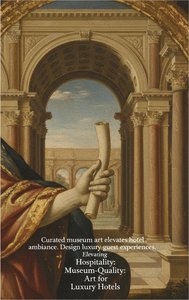
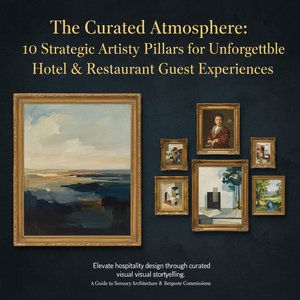
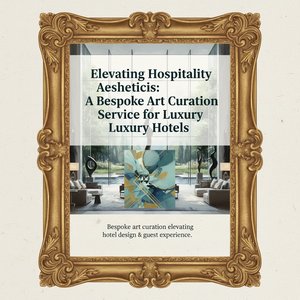
For hotel designers, selecting the right artwork is paramount in creating a cohesive and memorable guest experience. Art reproductions offer an unparalleled opportunity to transform spaces—to evoke specific moods, tell compelling stories, and enhance the overall aesthetic appeal. The key is to choose pieces that complement the hotel’s brand identity and target audience.
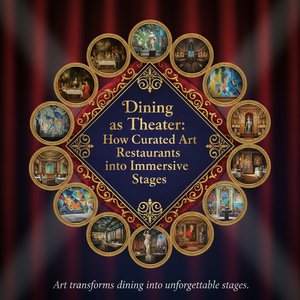
Consider the lobby of a luxury boutique hotel – a carefully curated collection of Dutch still lifes might create a sense of timeless elegance and sophistication. A vibrant Pop Art installation could inject energy into a trendy urban hotel, while abstract expressionist paintings could add a touch of intellectual intrigue to a modern art-focused property. ArtsDot.com provides access to an extensive library of museum-quality reproductions, allowing designers to effortlessly source the perfect pieces for any space. From classic masterpieces to contemporary abstracts, we offer customization options—size, framing, and canvas type—to ensure a seamless integration with your design vision. Ultimately, the goal is to create a dining environment that is not only visually appealing but also emotionally resonant—a space where guests can relax, connect, and savor the art of living.
- Hand-painted reproductions: Skilled artists recreate masterpieces with meticulous detail.
- Customization options: Tailor size, framing, and canvas to your specifications.
- Extensive art library: Explore thousands of artworks across all periods and styles.