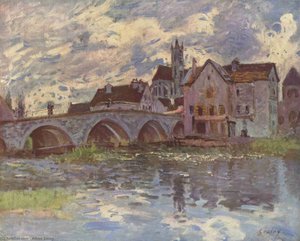
Early Life & Influences: The British Roots of a French Master
 Wikipedia: Alfred Sisley
Alfred Sisley (; French: [sislɛ]; 30 October 1839 – 29 January 1899) was an Impressionist landscape painter who was born and spent most of his life in France, but retained British citizenship. He was the most consistent of the Impressionists in his d...
Alfred Sisley, though indelibly linked with the heart of Impressionism and the landscapes of France, began his artistic journey with decidedly British origins. Born in Paris in 1839 to William Sisley, an English merchant, and Felicia Sell, a woman of refined cultural sensibilities, young Alfred spent his formative years navigating two worlds. His father’s prosperous business afforded him opportunities for education – initially intended to steer him towards commerce – but it was the allure of art that ultimately captured his imagination. A four-year sojourn in London, beginning at age 18, proved pivotal, though not in the way his parents envisioned. Rather than embracing a life of trade, Sisley found himself drawn to the burgeoning artistic scene and began formal studies, laying the groundwork for a career that would become synonymous with capturing fleeting moments of natural beauty.
This early exposure to British aesthetics – particularly the works of J.M.W. Turner, whose atmospheric landscapes emphasized light and color – subtly informed Sisley’s developing style. While he quickly gravitated towards the Parisian avant-garde, mingling with future Impressionist luminaries like Monet, Renoir, and Bazille at Gleyre's studio, a certain restraint and clarity of vision, perhaps inherited from his British heritage, distinguished his work. He wasn’t driven by grand narratives or social commentary; instead, he sought to faithfully represent the ephemeral qualities of light and atmosphere – a pursuit that would define his artistic path.
En Plein Air: Sisley’s Dedication to Painting from Nature
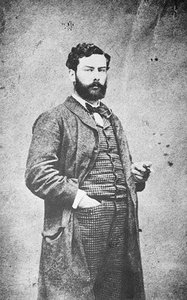 Alfred Sisley
Alfred Sisley (1839-1899): British-French Impressionist master of serene landscapes, capturing fleeting light on rivers & French countryside with delicate beauty.
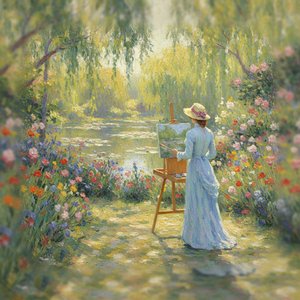
The revolutionary spirit of Impressionism hinged on a radical shift in practice: painting *en plein air* – directly from nature, rather than within the confines of a studio. While many artists experimented with this approach, Alfred Sisley embraced it with unwavering dedication. He wasn’t merely sketching studies to be finished later; he committed himself to capturing the immediate sensory experience of a landscape, striving to translate the ever-changing effects of light and weather onto canvas in real time. This commitment demanded not only technical skill but also an acute observational ability and a willingness to work rapidly, seizing fleeting moments before they vanished.
Unlike some of his contemporaries who occasionally ventured into figure painting or more complex compositions, Sisley remained remarkably focused on landscape. For him, the subject *was* the light itself – how it danced upon water, filtered through trees, and transformed the colors of the countryside. This singular focus allowed him to refine his technique to an extraordinary degree, mastering subtle gradations of color and delicate brushstrokes that conveyed a sense of atmosphere and tranquility. His paintings aren’t simply representations of places; they are evocations of specific moments in time, imbued with a palpable sense of presence.
The River Thames Series: A Transient Glimpse of England
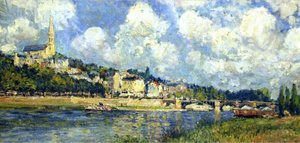 The River at Saint Cloud
Experience tranquility with Alfred Sisley's 'The River at Saint Cloud.' This Impressionist landscape captures the Seine’s beauty & Parisian charm. A timeless masterpiece!
In 1874, Sisley returned to his birthplace for an extended period, resulting in a series of paintings depicting the River Thames around Hampton Court. This body of work offers a fascinating glimpse into his personal connection with England and demonstrates how his artistic sensibilities had evolved since his youth. The scenes are remarkably understated – quiet riverbanks, modest boats, and gently rolling hills bathed in soft light. They lack the dramatic flair often associated with Impressionism, instead exuding a sense of peaceful contemplation.
These Thames paintings reveal Sisley’s mastery of atmospheric perspective and his ability to capture the subtle nuances of English light. The palette is delicate – pale greens, muted blues, and soft pinks – reflecting the gentle climate and understated beauty of the landscape. Art historian Kenneth Clark famously described these works as “a perfect moment of Impressionism,” praising their tranquility and exquisite rendering of light. They stand as a testament to Sisley’s ability to find beauty in the ordinary, transforming everyday scenes into captivating works of art.
Moret-sur-Loing and Beyond: Capturing the Serenity of the French Countryside
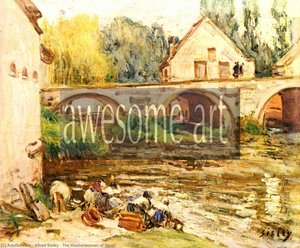
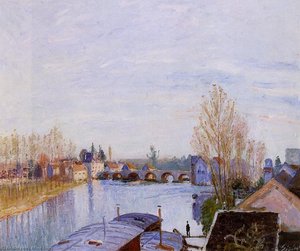 The Loing at Moret, the Laundry Boat
Experience the tranquility of Alfred Sisley's "The Loing at Moret." This 1890 Impressionist masterpiece captures a serene river scene with delicate brushstrokes and soft colors, showcasing nature's beauty.
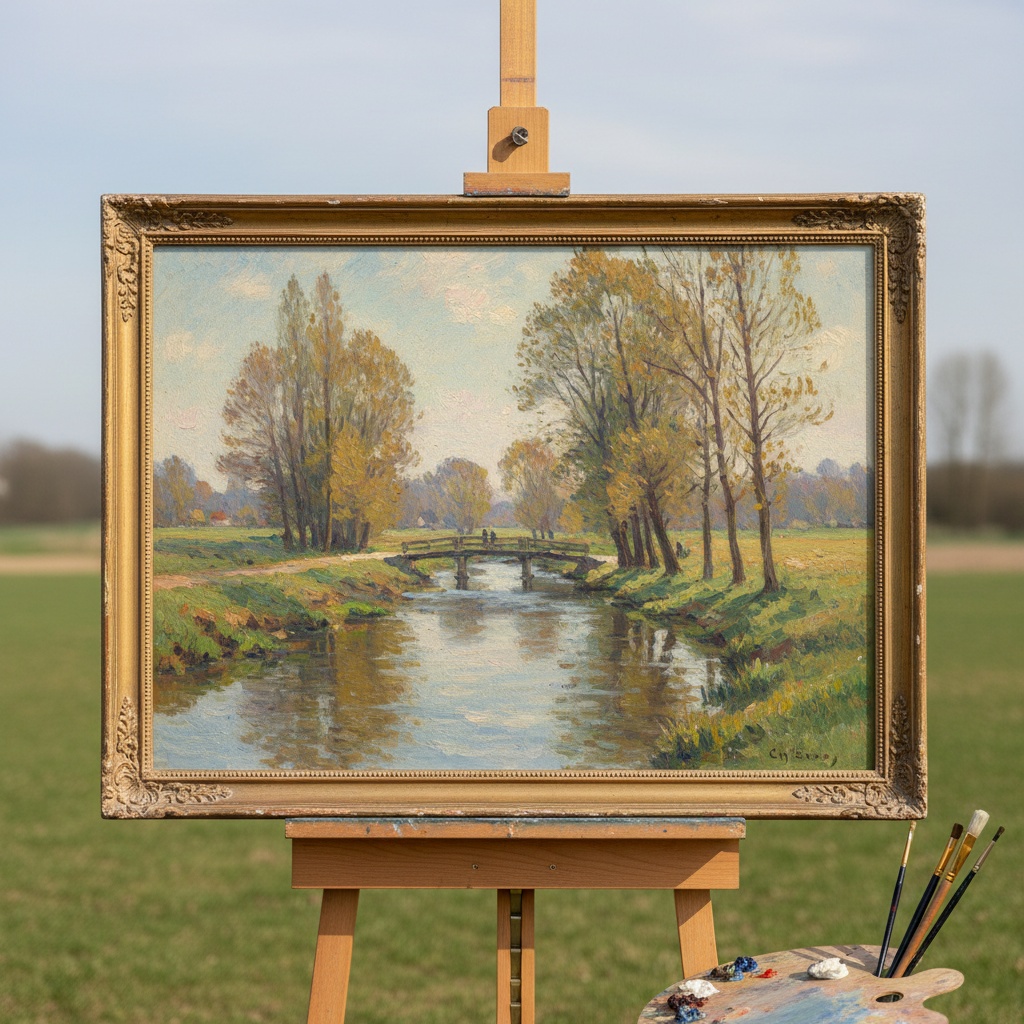
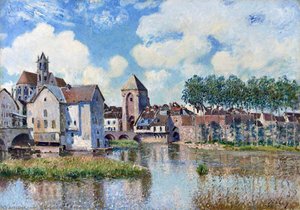
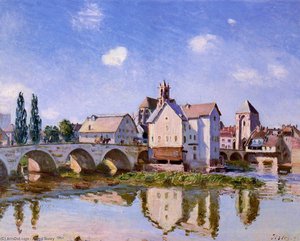
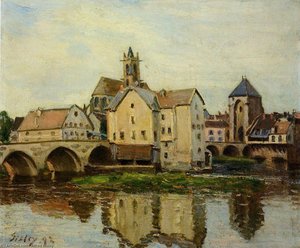
Following his time on the Thames, Sisley settled near Moret-sur-Loing, a picturesque village southeast of Paris. This region became the defining subject of his mature work, providing him with an endless source of inspiration. The Loing River, with its gentle currents and surrounding countryside, offered a wealth of motifs – bridges, boats, meadows, and forests – that he explored repeatedly throughout his career.
Sisley’s paintings of Moret-sur-Loing are characterized by their serene atmosphere and delicate color harmonies. He often depicted the river at different times of day and in varying weather conditions, capturing the subtle shifts in light and mood. Unlike Monet's dramatic depictions of water lilies or Renoir's bustling scenes of Parisian life, Sisley’s work is marked by a quiet intimacy – a sense of being present in nature, observing its beauty without imposing any particular narrative or emotional agenda. He wasn’t interested in grand statements; he sought to capture the fleeting essence of a moment, preserving it on canvas for posterity.
Sisley's Legacy: A Consistent Voice in the Impressionist Movement
Despite facing financial hardship throughout much of his life, Alfred Sisley remained remarkably consistent in his artistic vision. He never wavered from his dedication to painting landscape *en plein air*, and he consistently produced works of exceptional quality and sensitivity. While other Impressionists experimented with different styles and subjects, Sisley stayed true to his core principles, becoming a master of capturing the ephemeral qualities of light and atmosphere.
His unwavering commitment often meant struggling for recognition during his lifetime; however, his work has since been celebrated as a cornerstone of Impressionism. Sisley’s paintings offer a unique perspective on the movement, emphasizing tranquility and subtle beauty rather than dramatic spectacle. Today, his works are held in major museums around the world, and he is widely regarded as one of the most important landscape painters of the 19th century.
At ArtsDot.com, we offer a stunning collection of Alfred Sisley’s masterpieces, reproduced with exceptional quality and attention to detail. Explore his serene landscapes and experience the beauty of Impressionism firsthand. From high-quality oil paintings to museum-grade prints, we provide art lovers with the opportunity to bring these timeless works into their homes.