
The Emergence of American Regionalism: A Reaction to Modernism
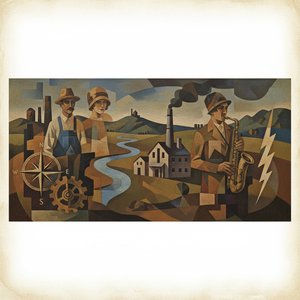
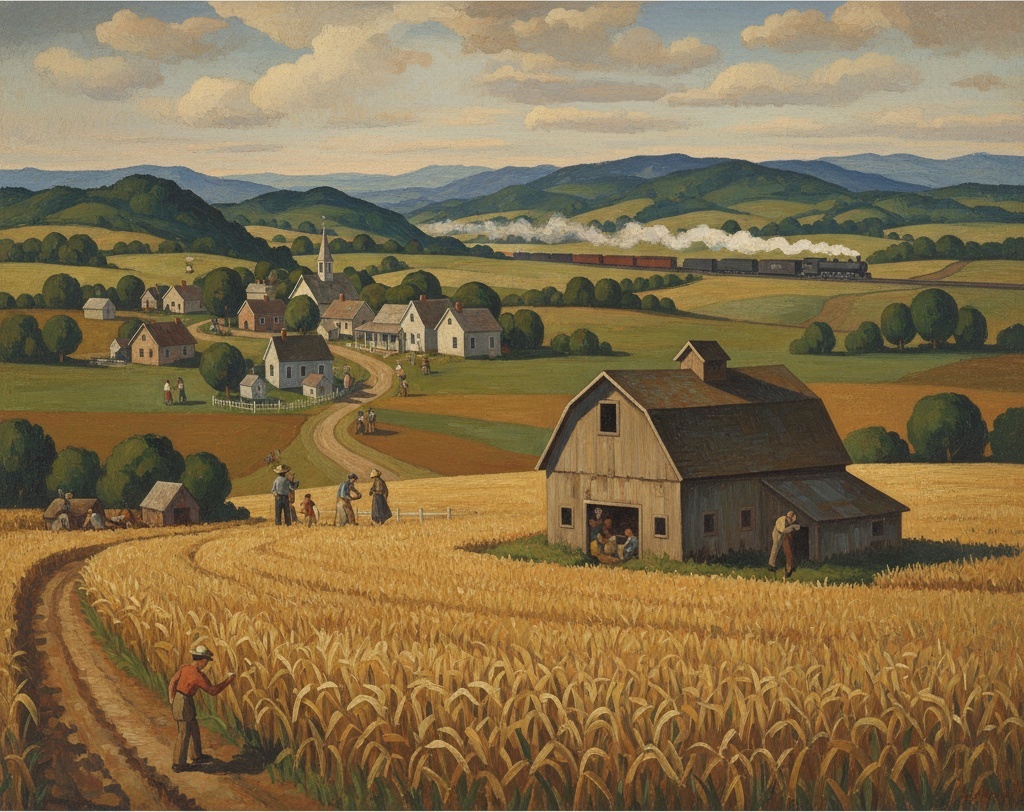
In the early twentieth century, the American art scene found itself at a profound crossroads. While the avant-garde movements of Europe—Cubism, Fauvism, and Surrealism—were dismantling traditional perspectives and challenging the very definition of reality, a group of uniquely American voices began to look inward. They sought not to replicate the fractured geometries of Paris, but to find a visual language capable of expressing the rugged, unpretimental essence of their own soil. This movement, known as American Regionalism, emerged as a powerful reaction against the perceived alienation of European modernism, turning its gaze away from abstract experimentation and toward the tangible, lived experiences of the American heartland.
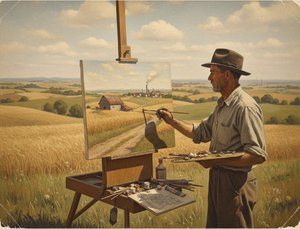
This was not merely a rejection of style, but a reclamation of identity. The artists of this era felt that the true spirit of America resided in its vast landscapes, its hardworking agrarian communities, and the quiet dignity of rural life. By prioritizing local subject matter over international trends, these painters created a sense of belonging and cultural continuity during a period of rapid industrialization and social upheaval. They sought to capture the "soul" of the Midwest, translating the rhythms of the seasons and the character of its people into a cohesive aesthetic that felt both deeply personal and universally American.
Ultimately, the rise of Regionalism represented a search for authenticity. It was an attempt to ground art in the recognizable, the nostalgic, and the profound truths found in the everyday. Through this lens, the mundane became monumental, and the local landscape became a stage for exploring the fundamental human condition within the American context.
The Masters of the Heartland: Grant Wood and the Iconography of Rural Life
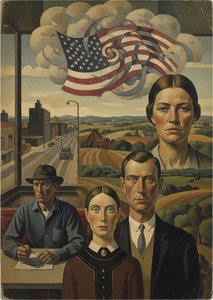
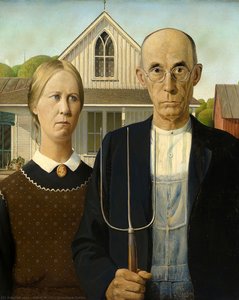
No name is more inextricably linked to the heart of Regionalism than Grant Wood. His work serves as the definitive visual lexicon for the movement, blending a meticulous, almost disciplined technique with a deep reverence for the Iowa landscape. In masterpieces such as American Gothic, Wood achieved something extraordinary: he transformed a simple scene of rural inhabitants into an enduring icon of American identity. The painting, with its stark composition and symbolic elements, transcends mere portraiture to embody the stoicism, resilience, and traditional values often attributed to the Midwestern spirit.
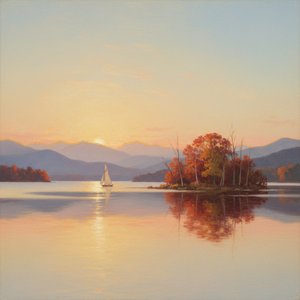
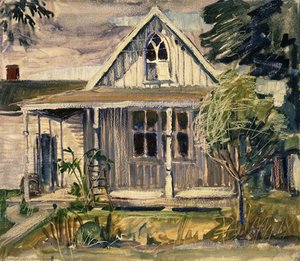
Wood’s ability to infuse his landscapes with narrative depth is perhaps best seen in works like The Shaking Poplar. Here, we see an earlier, more impressionistic influence, where autumnal hues and gnarled textures evoke a sense of movement and natural vitality. As his style matured, it became more structured, often utilizing a crisp, rhythmic precision that highlighted the geometric beauty found in farmsteads and rolling hills. His depictions of snowy Iowa scenes, such as in December Afternoon, demonstrate a masterful command of light and atmosphere, capturing the quiet, frozen stillness of a winter day with breathtaking clarity.
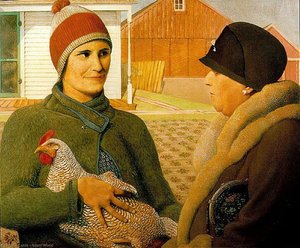
Through his iconography, Wood did more than paint scenery; he constructed a mythos. By focusing on the architectural details of farmhouses, the specific textures of crops, and the resolute expressions of his subjects, he elevated the American countryside to a level of classical importance. His legacy remains a cornerstone of American art history, providing a window into a vanished era of agrarian stability and cultural pride.
John Steuart Curry and the Dynamic Landscapes of the Midwest
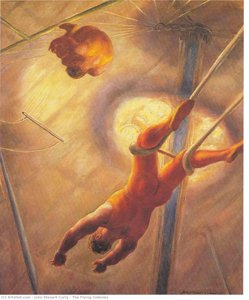
While Grant Wood often leaned toward a structured, almost rhythmic stillness, John Steuart Curry brought a different, more visceral energy to the Regionalist movement. His canvases are characterized by a dynamic tension, often capturing the raw, elemental forces of nature as they interact with the human landscape. Curry’s work is deeply rooted in the Kansas plains, and his paintings frequently pulse with the drama of the Midwestern climate—the sudden approach of a storm, the heat of a summer afternoon, or the terrifying beauty of a natural phenomenon.
Curry possessed a unique ability to blend the epic with the intimate. His depictions of rural life are rarely static; there is always a sense of impending action or underlying struggle. He often utilized bold colors and sweeping compositions to emphasize the vastness of the plains, making the landscape itself a protagonist in his narratives. This approach allowed him to explore themes of survival, labor, and the indomitable spirit of those who inhabit these wide-open spaces.
His contribution to American Regionalism lies in this sense of movement and drama. Where others found peace in the stillness of the plains, Curry found a powerful, churning vitality. His work serves as a reminder that the heartland is not merely a place of quietude, but a landscape of intense struggle and breathtaking natural power, forever etched into the canvas through his expressive brushwork.
Symbolism and Technique: Decoding the Visual Language of the Movement
To truly appreciate American Regionalism, one must look beyond the subject matter and examine the sophisticated visual language employed by its practitioners. The movement was characterized by a fascinating tension between realism and stylization. While the subjects were undeniably recognizable, the artists often employed specific techniques to imbue these scenes with symbolic weight. This included the use of exaggerated proportions, highly detailed textures, and carefully orchestrated compositions that directed the viewer's eye toward key narrative elements.
The technique often involved a meticulous approach to light and form. Many Regionalist painters utilized a clarity of line and a smooth application of paint that echoed the precision of Northern Renaissance masters, lending their American scenes an air of timelessness and permanence. This "clean" aesthetic helped to elevate the humble subject matter, transforming a simple cornfield or a weathered barn into something worthy of monumental contemplation. Conversely, some artists used more textured, impasto-like applications to emphasize the ruggedness of the earth and the physical toil of agricultural life.
Symbolism played a crucial role in this visual storytelling. A single tree, a specific type of fence, or even the way light fell across a furrowed field could serve as metaphors for resilience, tradition, or the passage of time. By decoding these subtle cues, the viewer engages in a deeper dialogue with the artwork, uncovering layers of meaning that speak to the cultural anxieties and aspirations of the era.
The Enduring Legacy of Regionalist Aesthetics in Contemporary Art
Though the height of the Regionalist movement has passed, its influence continues to resonate within the broader tapestry of American art. The movement's emphasis on local identity, the dignity of labor, and the profound beauty of the landscape paved the way for subsequent generations of artists to find inspiration in their own immediate surroundings. We see echoes of this sentiment in contemporary landscape painting and in works that explore the intersection of human culture and the natural environment.
Furthermore, the Regionalist aesthetic has found a permanent home in the realm of cultural iconography. The images created by Wood and Curry have become part of the collective American consciousness, serving as nostalgic touchstones that evoke a sense of heritage and continuity. This enduring appeal demonstrates that the themes explored by these artists—identity, place, and the relationship between humanity and the earth—are perennial and deeply moving.
In an increasingly globalized and digital world, the grounded, tactile, and intensely local focus of American Regionalism offers a much-needed sense of rootedness. It reminds us that there is profound art to be found in the familiar, and that the soul of a nation can often be discovered in the quiet, enduring beauty of its heartland.
At ArtsDot.com, we celebrate the timeless beauty of movements like American Regionalism. Our mission is to bring the profound textures and emotional depth of these historical masterpieces into modern homes through our exquisite hand-painted oil reproductions and museum-quality Giclée prints. Whether you are a dedicated collector or looking for that perfect piece to anchor your interior design, our expert artists work meticulously to preserve the very spirit of the original works, ensuring that the legacy of the American Heartland lives on in your space.