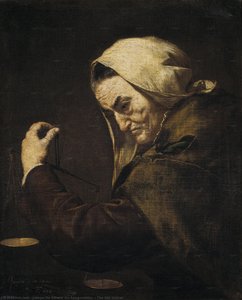
The Essence of Baroque Realism: Defining Drama and Emotional Impact for Luxury Interiors
To step into a space adorned with Baroque Realism is to abandon the safety of the mundane and enter a realm of profound emotional resonance. Unlike the measured, intellectual harmony of the Renaissance, which sought to perfect the human form through idealized proportions, the Baroque era emerged as a cultural earthquake, designed specifically to move the viewer. For the modern hotel designer, this movement offers an unparalleled toolkit for creating atmospheres that do more than merely occupy space; they command attention. The core of this aesthetic lies in its ability to evoke visceral responses—awe, reverence, and even a sense of spiritual tension—throughly narrative-driven compositions that bridge the gap between the observer and the observed.
At its heart, Baroque Realism is characterized by an unapologetic embrace of complexity and theatricality. It is an art of movement and intensity, where every brushstroke serves to heighten the drama of a moment captured in time. When integrating these works into high-end hospitality environments, one is not simply selecting decor; one is curating an experience of storytelling. Whether it is the quiet, intense devotion found in the works influenced by Francisco de Zurbarán or the vibrant, authoritative gestures seen in Paolo Veronese’s masterpieces, the goal remains the same: to create a sense of presence that lingers in the memory of every guest who wanders through the lobby or rests within a private suite.
Mastering Chiaroscuro: Utilizing Light and Shadow to Create Architectural Depth
The true architecture of a Baroque masterpiece is built not from stone, but from light. The technique of chiaroscuro—the masterful negotiation between brilliant illumination and deep, enveloping shadow—serves as the fundamental structural element of this period. In a design context, understanding chiaroscuro is essential for manipulating the perceived volume of a room. By utilizing paintings that feature strong contrasts, a designer can introduce a sense of three-dimensional weight to even the most flat architectural surfaces. This interplay does not merely model figures; it creates a sculptural quality within the canvas, making the subjects appear to emerge from the darkness into the viewer's physical reality.
When these high-contrast works are placed strategically, they act as anchors for the eye, providing focal points that define the boundaries of a space. The brilliance of light hitting a textured fabric or the curve of a cheekbone in a reproduction creates a rhythmic pulse within an interior. This technique allows for a sophisticated layering of visual information, where the shadows provide a resting place for the eye, and the highlights offer moments of sudden, dramatic revelation. For the professional decorator, mastering this balance means using art to guide the guest's gaze, creating a curated journey through the hotel’s most significant architectural features.
Tenebrism in Hospitality Design: Using High-Contrast Art to Define Spatial Focus
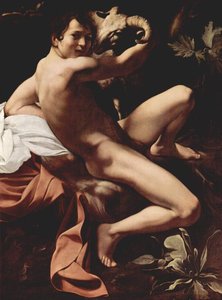
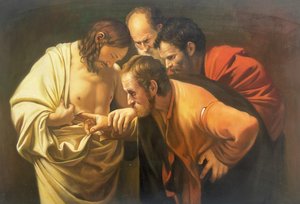
Taking the concept of shadow to its most extreme and dramatic conclusion is tenebrism. If chiaroscuro is the subtle transition of light, tenebrism is the sudden, violent intrusion of a spotlight into an abyss. This style, famously perfected by masters like Caravaggio and Georges de la Tour, utilizes deep, impenetrable darkness as a dominant structural force. In the realm of luxury hospitality, tenebrism serves as a powerful tool for spatial definition. By drowning much of the visual field in shadow, the artist directs the eye with surgical precision toward a singular, essential narrative element—a face, a hand, or a symbolic object.
This creates a stage-like atmosphere within a room, perfect for creating intimate "pockets" of interest within large, open-plan lobbies or grand corridors. A tenebristic painting can transform a dimly lit lounge into a space of profound mystery and introspection, where the darkness of the canvas mirrors the ambient lighting of the architecture. This technique is particularly effective in designing mood-driven environments, such as fine-dining restaurants or boutique bar areas, where the goal is to foster a sense of exclusivity and private revelation. The shadows do not merely hide; they protect and emphasize, making the illuminated subjects feel like precious, discovered treasures.
Integrating Baroque Textures: From Heavy Oil Impasto to Ornate Gilded Frames
The tactile allure of Baroque Realism is found in its incredible material richness. A true hand-painted oil reproduction offers a depth that no digital print can replicate, primarily through the visible presence of the artist's hand. The use of impasto—thick, textured applications of paint—allows light to catch on the ridges of the brushstrokes, adding a physical dimension to the artwork. This texture mimics the weight and volume of the subjects themselves, from the heavy folds of velvet drapery to the intricate lace of a period costume. For the designer, this tactile quality is vital for complementing other luxury materials in a room, such as marble, silk, and polished wood.
Furthermore, the presentation of these works through custom framing completes the architectural integration. A heavy, gold-leafed frame or a deep espresso wood molding provides the necessary weight to ground a large-scale canvas within a grand setting. For more contemporary applications, an ExtendedWrap or MirrorWrap technique can allow the painting to flow around the edges of the canvas, creating a seamless, modern aesthetic that maintains historical integrity. The goal is to ensure that the art feels like an organic extension of the room's textures, contributing to a cohesive and opulent sensory experience.
Strategic Implementation: Scaling Masterpieces for Hotel Lobbies, Suites, and Corridors
Implementing Baroque art on a professional scale requires a strategic approach to composition and placement. Large-format works, such as custom murals or multi-panel group sets, are transformative in grand lobbies and staircases. By splitting a single dramatic scene across three, four, or even five panels, a designer can cover expansive wall surfaces, creating a panoramic narrative that guides guests through the building's circulation paths. This "multi-panel" trend allows for a modern, architectural look while maintaining the epic scale of 17th-century storytelling.
In more intimate settings, such as executive suites or private dining rooms, the focus shifts to smaller, highly detailed works that invite close inspection. Here, the art should act as a centerpiece, perhaps paired with bespoke lighting to enhance the chiaroscuro effect of the painting itself. Whether it is a large-scale fresco-style mural for a ceiling or a carefully placed portrait in a corridor, the scale of the artwork must be balanced against the architectural volume to ensure that the drama of the Baroque style enhances, rather than overwhelme, the intended atmosphere of the space.
Procurement and Customization: Sourcing Bespoke Baroque Reproductions for Large-Scale Projects
For procurement managers and hospitality designers, the challenge of sourcing high-quality art lies in balancing aesthetic ambition with operational reliability. At ArtsDot.com, we understand that large-scale projects require more than just beautiful images; they require a dependable supply chain. Our process is built for the professional: from the initial digital mockup that allows you to visualize the composition on your specific wall, to the rigorous six-step hand-painting process on 100% cotton canvas. We provide the transparency needed for complex orders, including pre-shipment photos for approval and detailed tracking via DHL or FedEx.
Our service extends beyond simple reproduction; we offer the ability to "remix" history. Through our Professional Digital Mockup Service, designers can request custom color matching to align with a hotel's specific brand palette or even undergo "Period Shifts," where modern elements are reimagined in a 17th-century style. For those managing large volumes of art for hotel chains, we offer specialized trade programs, including volume discounts and white-label shipping options. With ArtsDot.com, the pursuit of Baroque grandeur is supported by a foundation of logistical excellence, ensuring that every masterpiece arrives ready to define your next landmark project.