
The Strategic Role of Renaissance Art in Luxury Hospitality Branding
 Elevating Hospitality Aesthetics: Museum-Quality Art for Luxury Hotels
The Transformative Power of Art in Luxury Hospitality Wikipedia: Peace Hotel The Peace Hotel (Chinese: 和平饭店, pinyin: Hépíng Fàndiàn, Shanghainese: Wubin Vaedi) is a hotel on The Bund in Shanghai, China, known as the Fairmont Peace Hotel run by Fairmo...
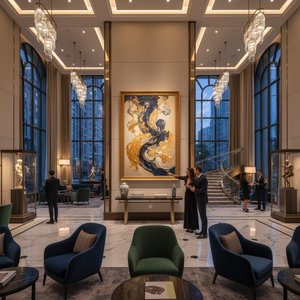
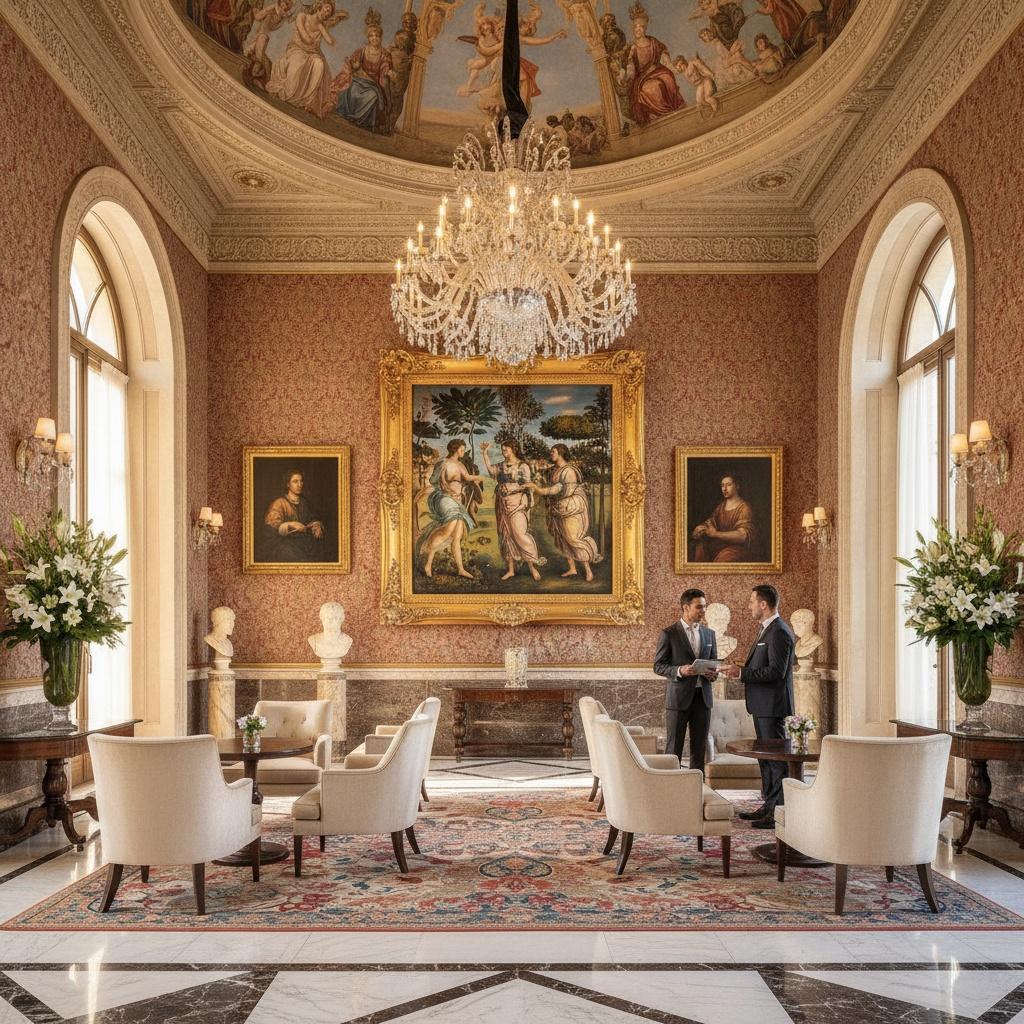
In the competitive landscape of luxury hospitality, a hotel is far more than a collection of premium amenities; it is an immersive narrative designed to resonate with guests on a subconscious level. For the discerning designer, the selection of artwork serves as the primary tool for establishing this unspoken dialogue. The Renaissance, an era defined by the rediscovery of classical ideals and the elevation of humanism, offers an unparalleled vocabulary for brand differentiation. When a hotel lobby incorporates the serene beauty of Michelangelo or the balanced proportions of Raphael, it does not merely decorate a wall; it signals a commitment to cultural sophistication and intellectual depth.
Historically, grand hotels mirrored the private collections of the global elite, using art to showcase status and refined taste. Today, while the landscape has shifted toward more personalized experiences, the fundamental principle remains: art provides the soul of the space. By integrating Renaissance-inspired elements, designers can evoke a sense of permanence and prestige that transcends fleeting trends. This strategic use of fine art reproductions allows a brand to foster an atmosphere of timelessness, transforming a transient passageway into a curated gallery experience that leaves a lasting impression on every traveler.
Selecting Masterpieces: Italian Humanism vs. Northern Renaissance Detail
 Northern Renaissance
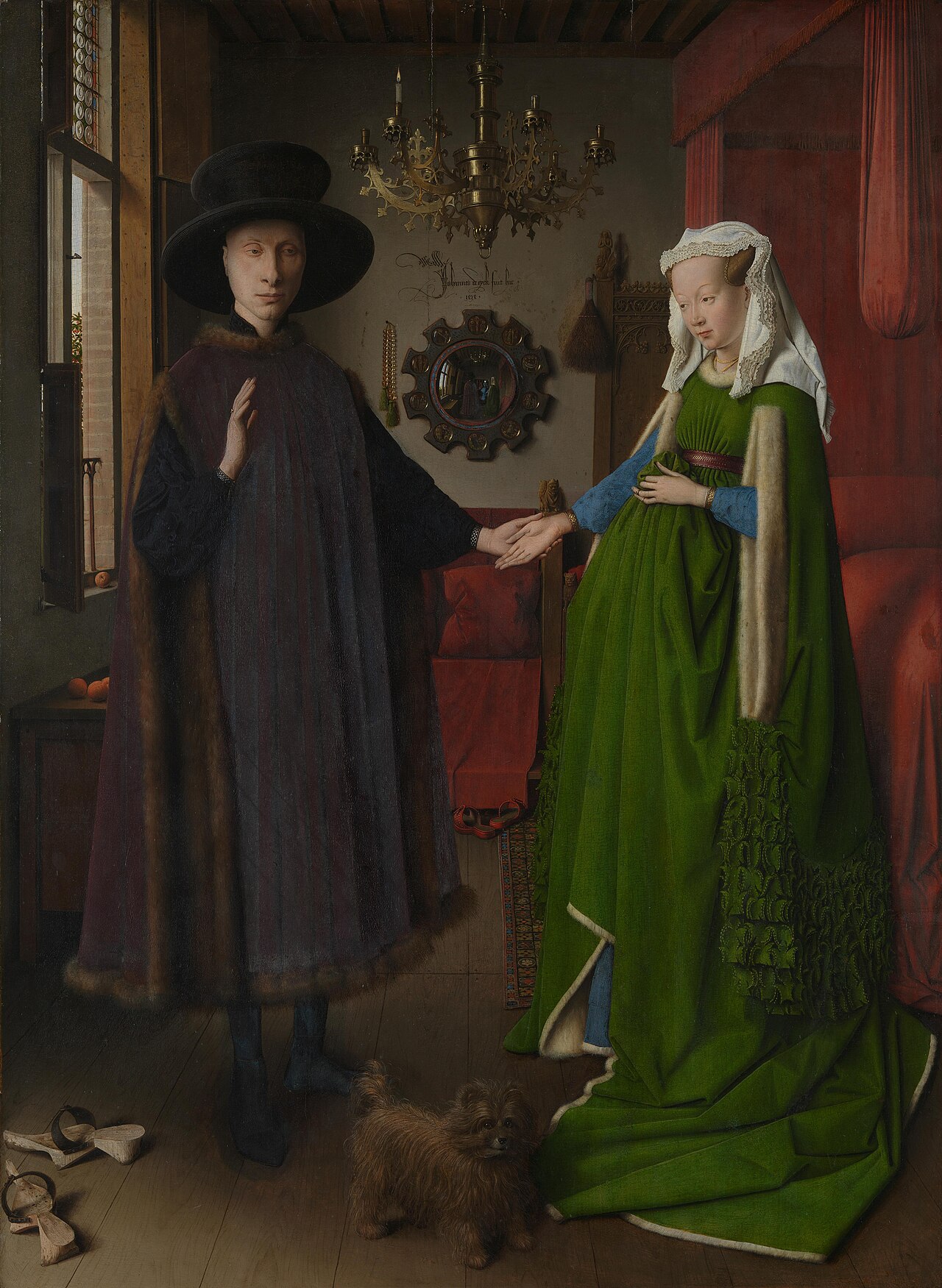
The Northern Renaissance was the Renaissance that occurred in Europe north of the Alps, developing later than the Italian Renaissance, and in most respects only beginning in the last years of the 15th century. It took different forms in the various c...
The choice between the various schools of the Renaissance requires a nuanced understanding of color psychology and spatial impact. The Italian Renaissance, flourishing in centers like Florence and Rome, is characterized by chiaroscuro, linear perspective, and an emphasis on anatomical perfection and symmetry. Works from this period, such as those by Da Vinci or Raphael, are ideal for creating focal points in grand, high-ceilinged spaces. Their focus on harmony and classical geometry can ground a modern architectural design, providing a sense of structural order and spiritual grace through the depiction of mythological or religious themes.
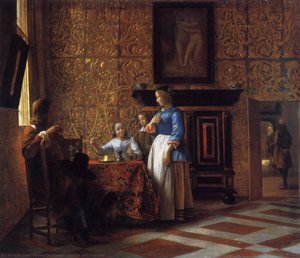
Conversely, the Northern Renaissance—emerging from the Low Countries, Germany, and France—offers a different aesthetic tension. This movement is celebrated for its meticulous attention to texture, light, and domestic realism. The works of masters like Jan van Eyck utilize oil glazes to capture the minute details of fabric, jewelry, and natural landscapes with startling clarity. For more intimate hotel settings, such as boutique lounges or private suites, Northern Renaissance reproductions can introduce a sense of warmth, intimacy, and tactile richness. While the Italian style commands the room through scale and proportion, the Northern style invites closer inspection, rewarding the guest with a profound sense of discovery.
Architectural Integration: Using Large-Format Murals and Multi-Panel Sets for Grand Lobbies
 Beyond Decoration: Architectural Resonance of Fine Art Reproductions in Interior Design
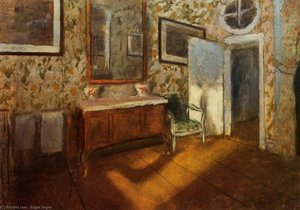
The Historical Symbiosis: Art, Architecture & Interior Space Interior Explore Mark Rothko’s ‘Interior,’ a captivating oil painting of Renaissance architecture & human figures. Warm hues, layered textures, & symbolic doorway – a masterpiece of realism...
Art and architecture exist in a historical symbiosis, where the structure provides the context and the art provides the meaning. In large-scale hospitality projects, the challenge lies in scaling artwork to match the architectural volume. A common pitfall in interior design is treating fine art as an afterthought rather than an extension of the building itself. To avoid this, designers should consider the transformative power of large-format murals and ceiling frescoes. Recreating the grandeur of a Renaissance palazzo through hand-painted canvas rolls allows for the reproduction of breathtaking scenes—reminiscent of the Sistine Chapel—that can wrap around entire corridors or adorn soaring lobby ceilings.
For expansive, modern walls that lack a singular focal point, the multi-panel trend offers a sophisticated solution. By splitting a single masterpiece across three, four, or five panels, a designer can create a rhythmic, contemporary movement across a surface. This technique is particularly effective in staircases or wide corridors, where the continuous flow of brushstrokes and color across multiple canvases creates a cohesive architectural element. These engineered sets allow for a monumental presence that respects the scale of the room while introducing a modern, fragmented aesthetic that complements contemporary structural lines.
Technical Specifications: Hand-Painted Oil Reproductions vs. Giclée Prints for High-Traffic Areas
 Elevating Hospitality Aesthetics: The Enduring Legacy of Renaissance and Impressionist Reproductions in Contemporary Hotel Interiors
The Enduring Appeal of Renaissance Masters in Modern Hospitality until Angel with Candlestick Michelangelo’s ‘Until Angel with Candlestick’ – a stunning 1501 marble sculpture. Explore its chiaroscuro, serene beauty & Renaissance mastery at AllPaintin...
From a procurement and maintenance perspective, understanding the technical distinction between different art mediums is essential for long-term durability and aesthetic integrity. For high-impact areas such as main entrances or executive suites, Hand-Painted Oil Reproductions are the gold standard. These works are meticulously layered by hand on 100% cotton canvas, offering a depth of tonal range and visible brushstroke texture that digital prints simply cannot replicate. The physical presence of impasto—the raised application of paint—creates a dynamic surface that interacts with changing light throughout the day, providing the "soul" required for luxury branding.
In contrast, Giclée prints offer a highly efficient and cost-effective solution for high-traffic or secondary spaces where budget and rapid deployment are primary concerns. These are high-quality, 12-color archival ink reproductions that provide exceptional color accuracy. While they lack the tactile depth of oil paintings, they are incredibly durable and easier to maintain in environments subject to frequent cleaning. For designers seeking a middle ground, we offer hand-painted Giclée, where an artist applies physical paint over a high-quality print, blending the precision of digital technology with the textured beauty of traditional craftsmanship.
Procurement & Customization: Scaling Art Solutions for Global Hotel Chains
For procurement managers and hospitality groups overseeing multiple properties, the logistics of art acquisition demand reliability, scalability, and budgetary control. The modern designer requires a supplier that functions as a professional partner rather than just a vendor. This involves the ability to manage large-volume orders with consistent quality, providing clear VAT-compliant documentation, and ensuring fast, reliable shipping via global carriers like DHL or FedEx. The capacity for re-ordering identical pieces is vital for maintaining brand consistency across international hotel chains.
Furthermore, the ability to customize art to fit specific design briefs is a significant advantage in professional procurement. Whether it is adjusting the color palette of a Renaissance landscape to match a new room's upholstery or commissioning a "period shift"—transforming a contemporary photograph into a 17th-century style portrait—customization allows for truly bespoke environments. With professional digital mockup services, designers can visualize these compositions on their specific walls before production begins, removing the uncertainty of large-scale investments. This level of precision and operational reliability ensures that art remains a seamless, integrated component of the global hospitality design strategy.