Defining the Aesthetic: The Impact of Dutch Golden Age Light and Texture on Hospitality Interiors
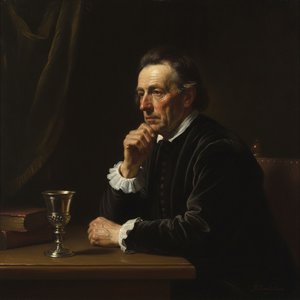
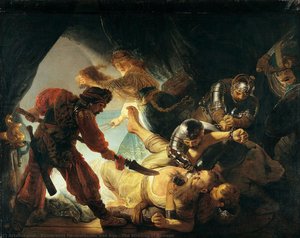
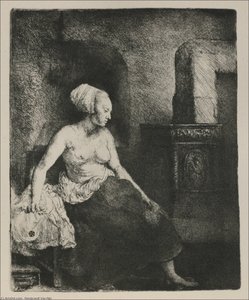
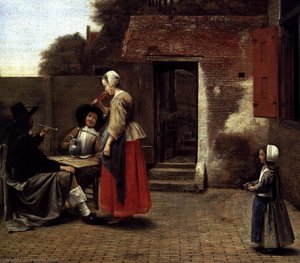
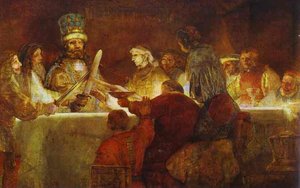
To step into a space curated with the essence of the Dutch Golden Age is to enter a realm where the very air seems heavy with a luminous, northern glow. For the modern hotel designer, this era offers more than mere decoration; it provides a profound atmospheric toolkit. Unlike the overt, often intimidating displays of power found in French or Italian Baroque traditions, the Dutch aesthetic is rooted in an intimate, revolutionary realism. It is a period where the mundane—a simple glass of wine, a domestic interior, or a sweeping horizon—is elevated to extraordinary beauty through the masterful manipulation of chiarosc/uro. This dramatic interplay of light and shadow creates a sense of quiet contemplation and depth that can transform a sterile lobby into a sanctuary of warmth.
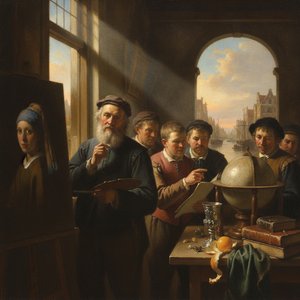
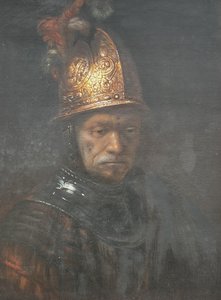
The visual impact of this era lies in its ability to ground a luxury space in texture and emotion. When selecting works inspired by masters like Rembrandt van Rijn, designers can utilize the deep, velvety shadows to create focal points of mystery and gravity. Conversely, the soft, diffused light characteristic of landscapes allows for a more serene, airy atmosphere in guest suites or breakfast lounges. By integrating these historical textures—the shimmer of silk, the weight of heavy drapery, and the tactile presence of visible brushstrokes—a designer can evoke a sense of timelessness and permanence that resonates with the discerning traveler.
Curating by Genre: Selecting Landscapes, Portraits, and Still Lifes for Specific Hotel Zones
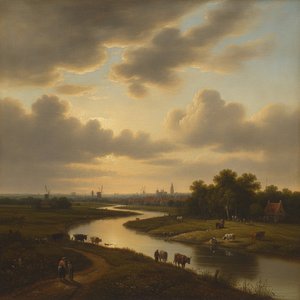
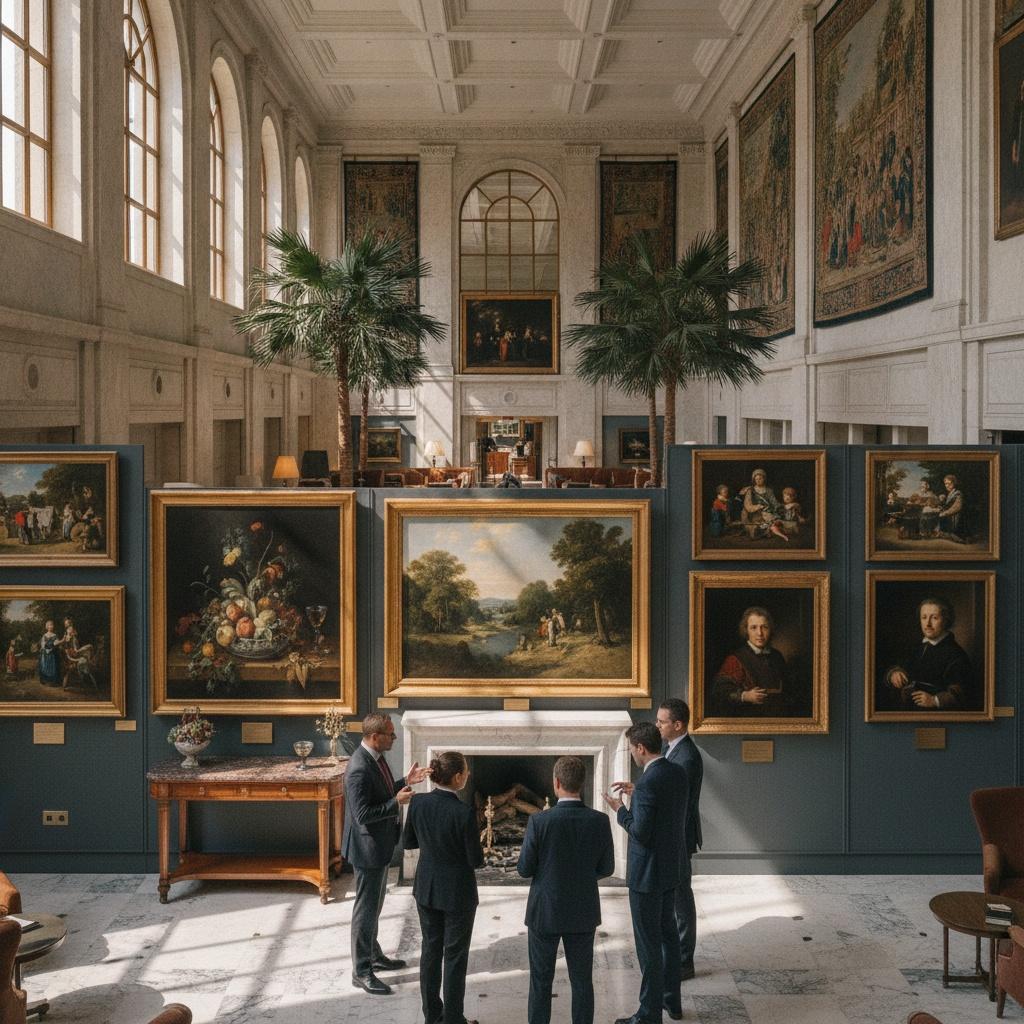
Effective curation within a large-scale hospitality project requires a strategic approach to genre selection, ensuring each zone of the property serves its intended psychological purpose. The Dutch Golden Age offers a diverse repertoire that can be mapped directly onto architectural functions. For expansive, high-traffic areas such as grand lobbies or entrance halls, landscapes serve as vital windows to the world. Works reminiscent of Nicolaes Jacobsz van der Heck or François van Knibbergen, with their breathtaking depictions of the Dutch countryside and atmospheric perspectives, can expand the perceived boundaries of a room, offering guests a sense of openness and tranquility.
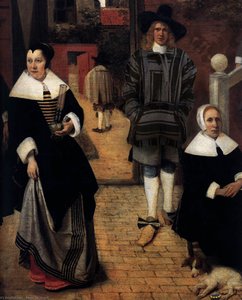
In more intimate settings, such as executive lounges, private dining rooms, or boutique corridors, the focus shifts toward portraiture and still life. The psychological depth found in portraits—where artists like Nicolaes Keyser captured not just likeness but character and social standing—can add a layer of sophisticated human connection to a space. Meanwhile, the meticulous realism of still lifes, which can highlight themes of abundance or quiet reflection through beautifully rendered objects, provides an excellent way to complement fine dining environments. These genres allow for a layered narrative throughout the hotel, guiding the guest through a curated journey of discovery.
Scaling for Grandeur: Implementing Multi-Panel Splits and Large-Format Murals in Lobby Design
In the context of large-scale architectural projects, the challenge often lies in filling vast, unadorned wall surfaces without overwhelming the structural integrity of the design. The multi-panel trend offers a sophisticated solution for wide expanses such as staircases or long corridors. By splitting a single iconic composition across three, four, or even five panels, designers can create a rhythmic, modern architectural look that maintains the cohesive flow of the original masterpiece while introducing a contemporary, fragmented elegance. This technique allows the artwork to breathe within the space, preventing the "heavy" feeling that a single, massive canvas might impose.
For truly monumental spaces, such as atrium ceilings or feature walls in grand ballrooms, large-format murals and frescoes represent the pinnacle of immersive design. Recreating historical grandeur through painted canvas rolls allows for the recreation of breathtaking vistas or ornate classical ceilings that appear integrated into the very fabric of the building. These large-scale installations act as the anchor of the interior design, providing a sense of awe and establishing the property's identity as a destination of cultural significance. When executed with precision, these works do not merely decorate a wall; they redefine the architecture itself.
Technical Specifications: Choosing Between Hand-Painted Oil Reproductions and High-Fidelity Giclée Prints
For procurement managers and designers, the decision between hand-painted oil reproductions and Giclée prints is a balance of budget, timeline, and desired tactile impact. A hand-painted reproduction is a bespoke creation, meticulously layered by skilled artists on 100% cotton canvas. These works possess a physical soul; the visible brushstrokes, the impasto texture, and the depth of color achieved through natural oils provide an incomparable richness that digital printing cannot replicate. For flagship properties or high-end suites where the "wow factor" is paramount, the investment in oil paintings offers a lasting legacy of authenticity.
In contrast, high-fidelity Giclée prints offer an efficient and cost-effective solution for large-scale rollouts across hospitality chains. Utilizing archival 12-color inks, these prints provide exceptional color accuracy and durability, making them ideal for high-volume requirements where a consistent aesthetic must be maintained across multiple locations. While they lack the three-dimensional texture of oil, they serve as an excellent medium for maintaining a sophisticated atmosphere within strict budgetary constraints. Designers should also consider the hand-painted Giclée option—where an artist applies paint over a print—as a middle ground that offers enhanced texture and character.
Logistics and Procurement: Managing Bulk Orders, Custom Sizing, and Global Delivery for Hospitality Chains
Managing art procurement for a hotel or corporate estate requires operational reliability and streamlined workflows. The complexities of large-scale projects—ranging from custom sizing to coordinating multiple deliveries—demand a supplier that understands the pressures of hospitality timelines. Professional procurement relies on clear communication, such as digital mockups that allow designers to visualize compositions on their specific walls before production begins, and pre-shipment photo approvals to ensure every piece meets exact specifications.
Efficiency in bulk ordering is further enhanced by robust logistics systems, including real-time tracking via email or SMS and the ability to manage re-orders for consistent branding across global properties. For international projects, navigating customs and VAT is a critical component of successful delivery; a reliable partner provides the necessary documentation, such as Reproduction Declarations, and offers transparent support for tax-compliant invoicing. Ultimately, the goal is a seamless integration of art into the architectural plan, delivered with the precision and speed required to meet the rigorous demands of modern hospitality development.