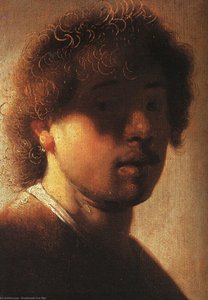
The Luminous Dawn: Understanding the Spirit of the Dutch Golden Age
 Dutch Masters: 10 Golden Age Paintings That Still Inspire |
Introduction Imagine stepping into a world bathed in soft northern light, where everyday life is elevated to extraordinary beauty and quiet contemplation reigns supreme. This is the realm of the Dutch Golden Age – a period of unprecedented artistic f...
To step into the world of the seventeenth-century Netherlands is to enter a realm where the very air seems heavy with the scent of salt spray, damp earth, and the quiet hum of a nation finding its soul. This was the era of the Dutch Golden Age, a period of unprecedented artistic flourishing born from the crucible of independence and the burgeoning prosperity of the Dutch Republic. Following decades of struggle for liberation from Spanish rule, the Netherlands emerged not merely as a sovereign state, but as the most prosperous nation in Europe, leading the world in trade, science, and, most vibrantly, art.
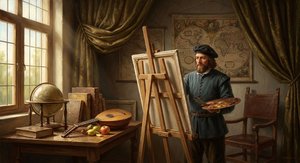
Unlike the grand, often intimidating displays of power found in the royal palaces of France or the religious monuments of Italy, the art of this era was profoundly intimate. It was a revolution of the everyday. As the new Republic moved away from monarchist and Catholic traditions, the demand for religious iconography waned, replaced by a hunger for something more personal—a mirror held up to the lives of the people themselves. This shift birthed a unique aesthetic where the mundane was elevated to the extraordinary, and where the quiet beauty of a domestic interior or a sweeping horizon could command as much reverence as any saint or king.
Chiaroscuro and Character: The Dramatic Interplay of Light and Shadow
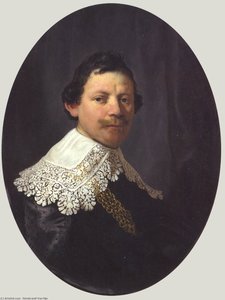 Portrait of Philips Lucasz.
Delving into Rembrandt's Portrait of Philips Lucasz A Masterful Depiction: Rembrandt van Rijn’s Portrait of Philips Lucasz , painted in 1635, is a compelling example of the artist’s skill in capturing not just likeness, but also character and inner l...
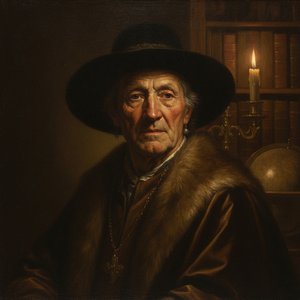
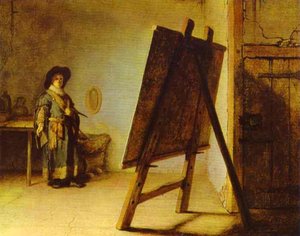
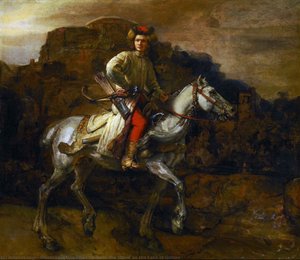
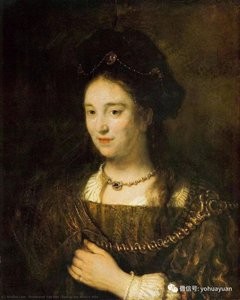
If there is a single heartbeat within Dutch Golden Age painting, it is the rhythmic pulse of light and shadow. This technique, known as chiaroscuro, became the definitive language of the era's masters. It was not merely an aesthetic choice but a psychological tool used to sculpt form and evoke emotion. When we look upon the works of legends like Rembrandt van Rijn, we see how light does not simply illuminate; it reveals the very essence of the human spirit. In his Portrait of Philips Lucasz, the dramatic interplay of shadow creates a sense of profound depth, drawing the viewer into an intimate encounter with the subject's inner life.
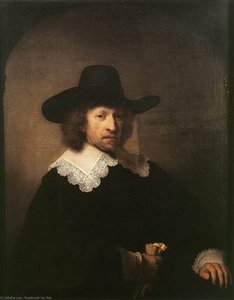
This mastery of light extended far beyond portraiture. Even in the more structured world of social hierarchy, as seen in Nicolaes Maes’s Portrait of Justus Criex, the application of chiaroscuro provides a three-dimensional vitality that feels almost tactile. The way light falls upon the crisp white trim of a black suit or the subtle textures of a heavy curtain creates a theatrical depth, directing our gaze and anchoring us in the moment. This interplay allows for a sense of drama that is never forced, but rather emerges naturally from the atmosphere, much like the shifting clouds over a Dutch canal.
Whispers of the Earth: The Poetic Realism of Dutch Landscapes
 nicolaes jacobsz van der heck
Nicolaes Jacobsz van der Heck: A Master of Dutch Landscape Nicolaes Jacobsz van der Heck (c.1575 – 1652), also known as Claes Jacobsz van der Heck, stands as a pivotal figure in the Dutch Golden Age, celebrated for his breathtaking depictions of the ...
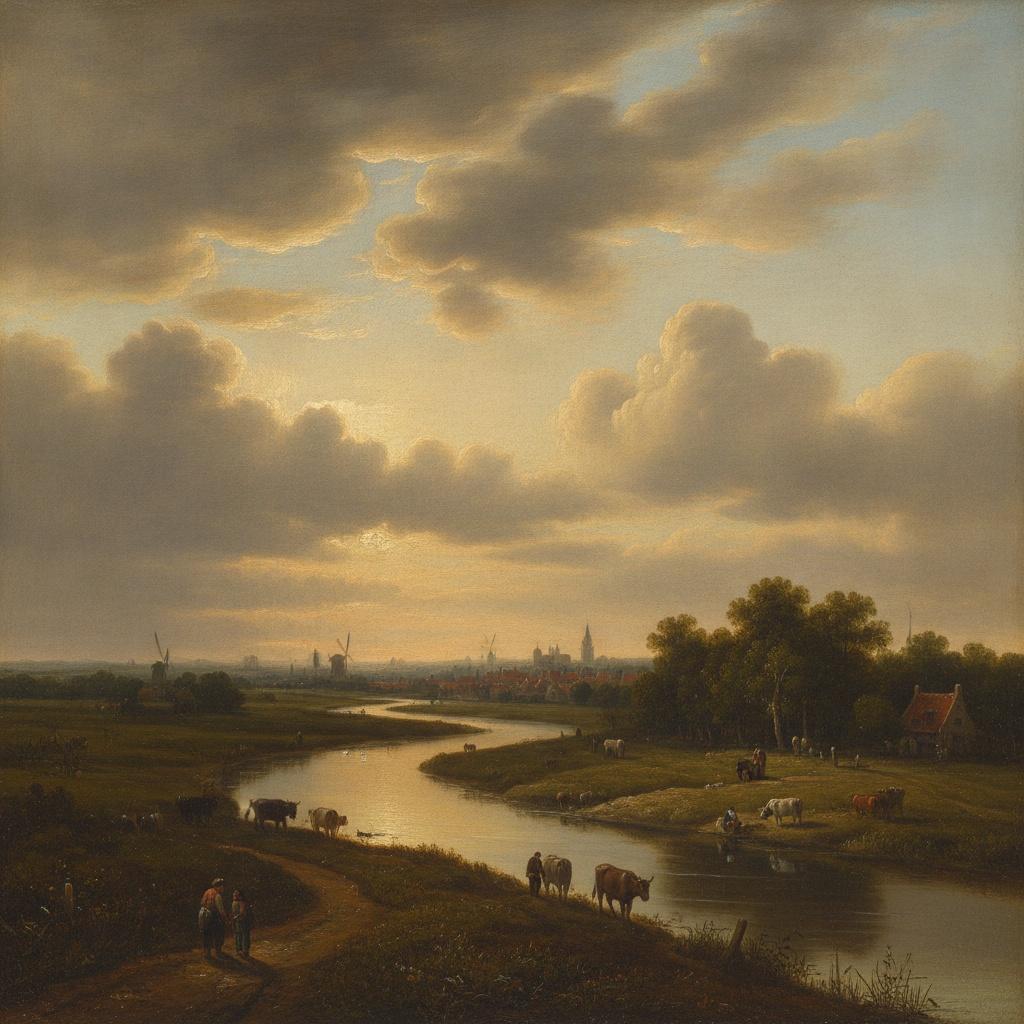
There is a particular magic found in the Dutch sky—a vast, moving canvas that defines the landscape as much as the land itself. For artists such as Nicolaes Jacobsz van der Heck, the Dutch countryside was a place of mystical beauty and breathtaking realism. These landscapes were not mere topographical records; they were poetic meditations on the relationship between man and nature. The sweeping horizons and low-hanging clouds capture a sense of infinite space, yet they remain grounded in the recognizable textures of the damp, fertile earth.
The brilliance of these works lies in their ability to find grandeur in the humble. A simple depiction of a windswept meadow or a quiet waterway becomes an exploration of light and atmosphere. The artists mastered the art of rendering the ephemeral—the way a sudden break in the clouds casts a golden spotlight upon a distant field, or how the moisture in the air softens the edges of a far-off windmill. In these paintings, we find a profound sense of peace and contemplation, inviting us to slow our pace and appreciate the quiet majesty of the natural world that continues to inspire collectors centuries later.
Beyond the Canvas: Mercantile Prosperity and the Rise of Secular Art
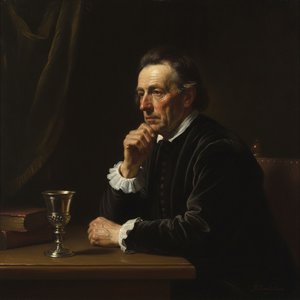 Chiaroscuro & Character: Mastering the Dramatic Light of Dutch Golden Age Art
The Golden Glow: How 17th-Century Prosperity Fueled an Artistic Revolution Illuminating Realism: Exploring the Dutch Golden Age of Painting (1600-1700) The Rise of a Republic: Historical Context & Artistic Flourishing The 17th century Netherlands, a ...
To truly appreciate these masterpieces, one must understand the economic engine that fueled them. The Dutch Golden Age was a period of immense mercantile power, driven by global trade and a burgeoning middle class. This newfound wealth was not channeled into grandiose cathedrals, but into the homes of merchants, artisans, and professionals. Consequently, art became a commodity for the many, rather than a luxury for the few. This created a vibrant market for diverse genres: still lifes that celebrated abundance, genre scenes depicting daily life, and seascapes that honored the maritime strength of the Republic.
This era saw the rise of specialization, where artists dedicated their lives to perfecting a single niche, whether it be the delicate textures of a floral arrangement or the complex anatomy of a portrait. This focus on secular subjects allowed for a level of detailed realism that was revolutionary. A simple glass of wine or a piece of fine lace could become a vessel for symbolism, hinting at themes of mortality, prosperity, or social standing. The art was a celebration of the tangible, a way for a prosperous people to document their triumphs and find meaning in the beauty of their lived experience.
A Legacy of Light: How 17th-Century Mastery Inspires Modern Collectors
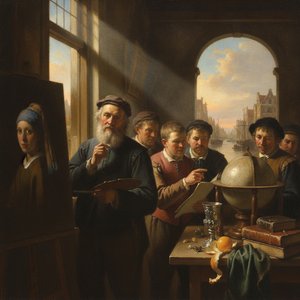 Mastering Light & Shadow: A Journey Through the Dutch Golden Age's Luminous Legacy
The Dawn of a Republic: Historical Context and the Birth of a New Aesthetic Golden Age Reflections: Dutch Baroque Painting & Cultural Innovation The Rise of a Republic: Historical Context & Artistic Flourishing Wikipedia: Dutch Golden Age The Dutch G...
The enduring allure of the Dutch Masters lies in their ability to speak to universal human experiences. Even as we move through a modern, fast-paced world, the themes of love, loss, joy, and mortality captured in these canvases remain profoundly resonant. The quiet power of a Rembrandt portrait or the atmospheric serenity of a Dutch landscape offers a sanctuary for reflection. For the contemporary collector, these works are more than historical artifacts; they are windows into a timeless way of seeing.
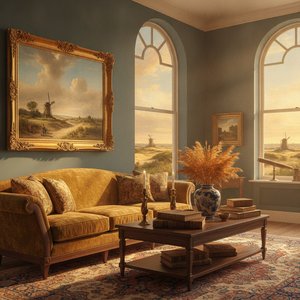
Today, the passion for this era continues to thrive through the meticulous preservation and reproduction of these treasures. At ArtsDot.com, we believe that the soul of fine art should be accessible to all. Our mission is to bring the luminous legacy of the Old Masters into modern homes through exquisite, hand-painted oil reproductions. Each piece is a labor of devotion, crafted by artists who hold degrees from prestigious academies and specialize in the very techniques—the impasto, the chiaroscuro, the delicate glazing—that defined the Golden Age. Whether you are seeking a centerpiece that captures the dramatic light of a master or a custom commission that reimagines your own history through a classical lens, we invite you to join us in celebrating this eternal dance of light and shadow.