

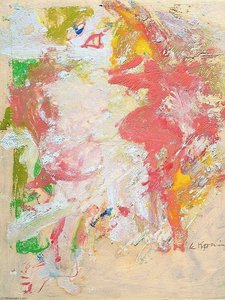
The Psychology of Expressionism: Leveraging Emotional Depth for Guest Engagement
Emotional Design is both the title of a book by Donald Norman and the concept it represents. == Content == The main topic covered is how emotions have a crucial role in the human ability to understand the world, and how they learn new things. In fact...
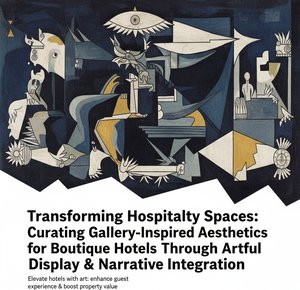
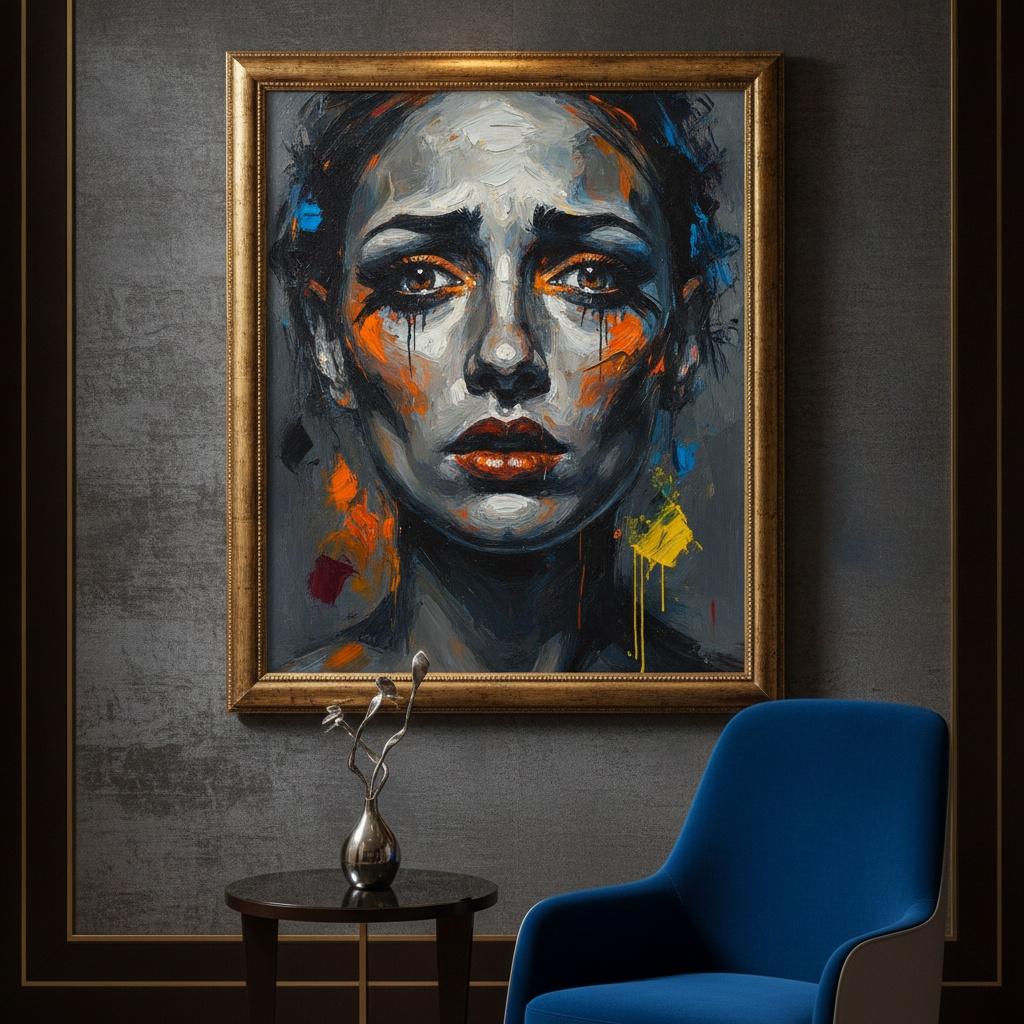
In the high-stakes arena of hospitality design, the ability to forge an immediate, visceral connection with a guest is the hallmark of a superior brand experience. While soft minimalism offers a sanctuary of serenity, it can occasionally risk a sense of clinical detachment if not anchored by soul. This is where Expressionist portraiture serves as a transformative tool for the discerning designer. Unlike traditional realism, which seeks to replicate the external world, Expressionism prioritively communicates the internal landscape—the raw, unvarnished essence of human emotion. When a guest enters a lobby or a lounge adorned with works characterized by turbulent brushstrokes and urgent color palettes, they are not merely observing art; they are participating in an emotional dialogue.
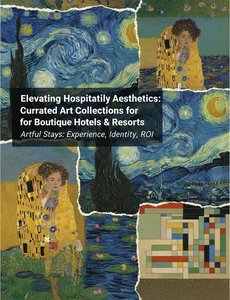
The psychological impact of these works is rooted in what designers call emotional design. The use of non-naturalistic colors—such as the electric blues or burning pinks found in bright expressionism—functions as a formary for psychological storytelling. These hues do not exist to decorate; they exist to evoke. For a hotel designer, selecting pieces that utilize these intense chromatic shifts can dictate the mood of a space, transitioning a high-energy bar area from mere social gathering to an immersive sensory event. By leveraging the instinctive reactions triggered by bold textures and vivid tones, designers can influence how guests process information and form lasting memories of their stay.
Strategic Integration: Balancing Bold Brushwork with Modern Hotel Architecture
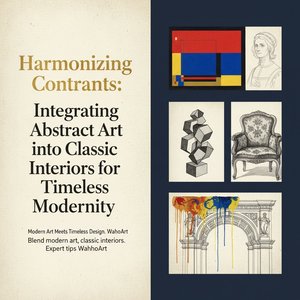 Harmonizing Contrasts: Integrating Abstract Art into Classic Interiors for Timeless Modernity
The Enduring Appeal of Classic Interiors: Why Abstract Art Complements Timeless Design Harmonizing Eras: Classical & Modern Art for Timeless Interiors Explore the art of blending classical & modern aesthetics for timeless interiors. Discover key arti...
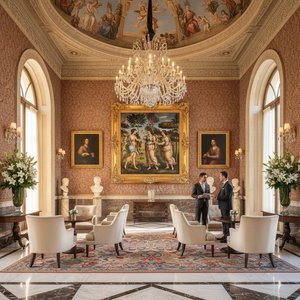
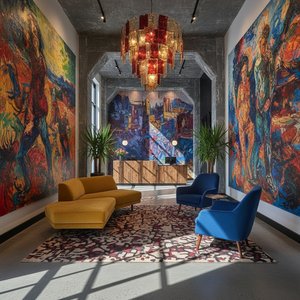
Integrating the high-impact energy of Expressionism into contemporary hotel architecture requires a sophisticated understanding of contrast and equilibrium. The modern architectural landscape often favors clean lines, expansive glass, and a sense of structural order. Introducing the fractured forms and spontaneous gestures of an expressionist portrait can act as a necessary rebellion against predictability. However, the secret to successful integration lies in harmonizing contrasts. Much like the way abstract art complements classic interiors, Expressionist works provide a dynamic counterpoint to the symmetry and refined materials of luxury hotel design.
A well-curated space uses these artworks as focal points that break the monotony of large-scale surfaces. In an era of digital saturation, the tactile presence of visible brushstrokes offers a much-needed organic relief. When placing such works, consider the interplay between light and shadow; the impasto technique—where paint is applied thickly to create physical depth—allows the artwork to change character as natural or artificial lighting shifts throughout the day. This creates a living environment that feels deeply inhabited rather than static. The goal is not to overwhelm the architectural intent but to enrich it, creating a conversation between the permanence of the building and the fleeting intensity of the human spirit.
Sourcing at Scale: Managing Large-Format Expressionist Commissions and Multi-Panel Sets
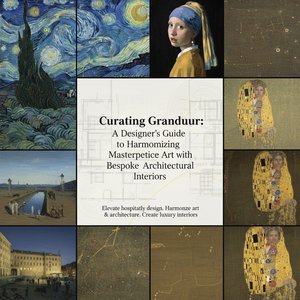 Harmonizing History & Hue: A Guide to Matching Art Styles with Interior Architecture for Balanced Décor
Understanding Interior Architecture: Foundations & Key Principles Wikipedia: Interior architecture Interior architecture is the design of a building or shelter from inside out, or the design of a new interior for a type of home that can be fixed. It ...
For procurement managers and designers overseeing large-scale hospitality projects, the challenge often lies in scale. A single portrait, no matter how powerful, may lack the necessary presence to anchor a grand mezzanine or a sweeping corridor. This is where the multi-panel trend becomes an essential design strategy. By splitting a singular, emotive composition across three, four, or even five panels, designers can create a sense of movement and architectural flow that follows the natural trajectory of a guest's path. These coordinated sets allow for the coverage of expansive wall surfaces while maintaining the cohesive narrative of the original masterpiece.
Managing these large-scale requirements demands a reliable supply chain capable of delivering consistent quality across multiple units. Whether it is a massive mural painted on canvas rolls to recreate historical grandeur or custom-sized reproductions designed to fit specific structural voids, the ability to scale art without losing the integrity of the brushwork is paramount. For the professional decorator, the focus must remain on the technical execution: ensuring that colors and textures flow seamlessly across every panel so that the final installation appears as a singular, monumental force within the interior landscape.
Materiality and Longevity: The Technical Advantages of Hand-Painted Oil Reproductions
In the context of commercial interiors, the durability of an art investment is just as critical as its aesthetic value. While digital prints and Giclée reproductions offer convenience, they often lack the visceral quality required for premium hospitality. A computer-printed look can appear flat and sterile under the intense lighting of a hotel lobby. In contrast, hand-painted oil reproductions on 100% cotton canvas provide a depth of tone and a physical texture that prints simply cannot replicate. The presence of actual pigment layers and the subtle variations in hand-applied oils create a multidimensional surface that captures light in a way that invites closer inspection.
From a maintenance and preservation standpoint, high-quality oil paintings are engineered for longevity. The use of flexible gesso prevents cracking, while specific oils, such as safflower, are utilized in lighter tones to prevent the yellowing often seen in inferior products. A final protective coating of Damar varnish shields the surface from the atmospheric pollutants and dust common in high-traffic public spaces. For a procurement manager, this translates to a lower long-term replacement cost and an enduring sense of luxury that remains vibrant for decades, protecting the brand's aesthetic investment against the wear of time.
Procurement Logistics: Streamlining Bulk Orders, Custom Sizing, and Global Delivery
The final pillar of successful art integration in hospitality is operational reliability. For professionals like David, the procurement manager, the priority is efficiency, transparency, and risk mitigation. A streamlined order management system—featuring real-time tracking via SMS or email and the ability to approve pre-shipment photos—is essential for managing large-volume orders across multiple properties. The ability to request custom color matching or "period shifts"—such as transforming a modern concept into a classical style—allows designers to maintain strict brand alignment without sacrificing creative freedom.
Reliable global logistics are the backbone of international hotel development. Whether navigating the complexities of VAT in Europe, CPF requirements in Brazil, or tax IDs in Mexico, a professional supplier must provide full documentation and seamless customs support. The assurance of fast, tracked shipping via partners like DHL Express or FedEx ensures that art arrives on schedule for grand openings. When combined with a robust warranty and a clear process for handling transit damage, the procurement of fine art becomes not a logistical burden, but a streamlined component of a successful interior execution. For more information on professional art solutions, visit ArtsDot.com.