


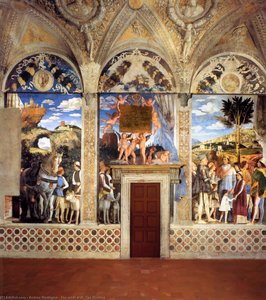
The Architectural Impact of Fresco: Elevating Hospitality Interiors
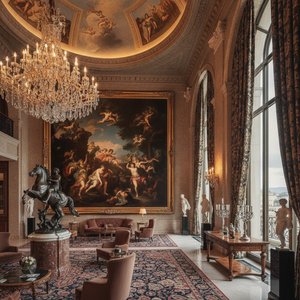
In the realm of high-end hospitality design, the distinction between a well-furnished room and an unforgettable atmosphere lies in the depth of its visual narrative. For the discerning hotel designer, walls are not merely structural boundaries but canvases for storytelling. The fresco technique, one of the most venerable methods of wall painting, offers an unparalleled architectural weight that modern prints simply cannot replicate. Unlike standard decor, a fresco-style installation integrates with the very fabric of the building, creating a sense of permanence and historical gravity.
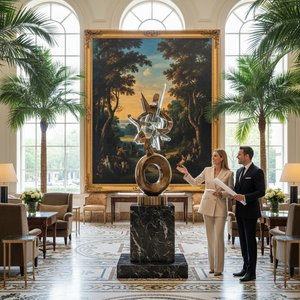
When a guest enters a lobby or a private suite adorned with the soft, matte textures characteristic of fresco work, the psychological impact is immediate. There is an inherent prestige in the way light interacts with the pigment embedded in plaster, producing a luminous quality that feels organic rather than applied. For large-scale commercial projects, utilizing large-format mural reproductions allows designers to introduce this classical grandeur without the logistical nightmare of traditional wet-plaster application. By selecting works that mimic the tonal range and textural depth of true frescoes, procurement managers can achieve a cohesive, high-end aesthetic that anchors the entire interior concept.
Technical Fundamentals: The Chemistry and Craft of Buon Fresco
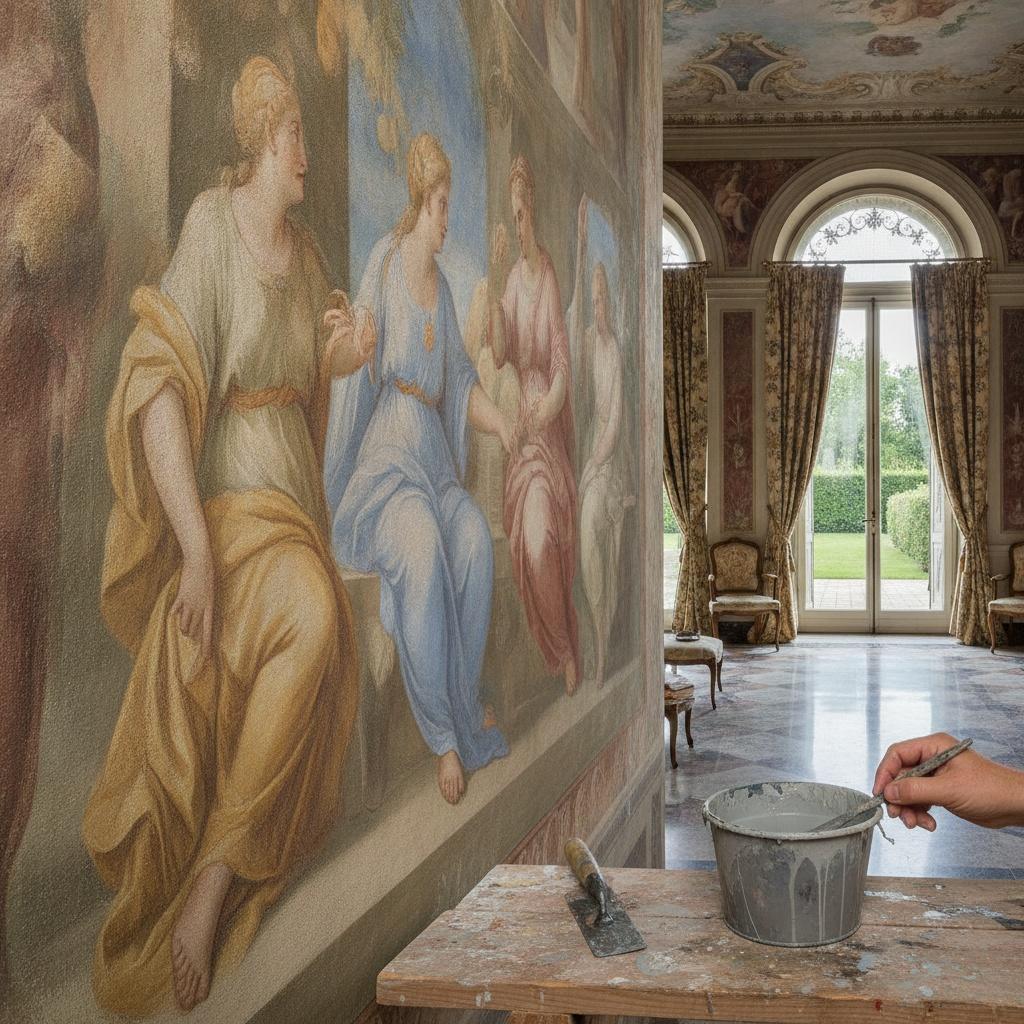
To appreciate the value of fresco in modern design, one must understand the rigorous chemistry behind buon fresco. This technique is not merely painting on a surface; it is a chemical metamorphosis. The artist applies pigments mixed with water onto a layer of fresh, wet lime plaster. As the plaster dries, a process known as carbonation occurs, where the calcium hydroxide reacts with atmospheric carbon dioxide to form calcium carbonate. This effectively locks the pigment into the crystalline structure of the wall itself.
This technical permanence is what gives historical frescoes their legendary durability. While modern designers may not be applying wet lime to every hotel corridor, the aesthetic goal remains the same: achieving that seamless, integrated look where the art and the architecture are one. Understanding this mastery allows professionals to better appreciate the nuances in high-quality reproductions. When sourcing for a project, looking for works that capture the subtle transitions of color and the characteristic matte finish of carbonated pigment is essential for replicating this authentic, structural elegance.
Historical Inspiration: Integrating Renaissance Masterpieces into Modern Design
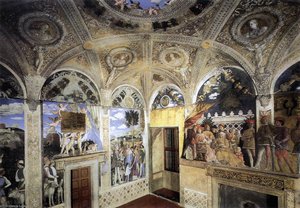
The history of art is punctuated by moments where fresco transformed spaces from mere enclosures into spiritual and intellectual epicenters. One cannot discuss this medium without evoking the works of the masters. Consider the dynamic compositions found in Raphael’s St. Catharine or the heroic, muscular energy of Michelangelo’s ceiling frescoes. These works were designed to command attention, using scale and symbolism to direct the viewer's gaze and evoke profound emotion.
In a contemporary hotel setting, these historical motifs can be strategically repurposed to define brand identity. A vibrant scene like Pietro di Giovanni d’Ambrogio’s Birth of St Nicholas can breathe life into a courtyard or breakfast lounge, while the more somber, spiritual depth of Giotto’s Ascension of Christ might suit a quiet, contemplative library or executive lounge. By integrating these recognizable historical elements, designers tap into a global heritage of beauty, providing guests with a sense of continuity and cultural sophistication that transcends the transient nature of modern travel.
Large-Scale Implementation: From Ceiling Murals to Custom Wall Installations
The challenge for any procurement professional is the execution of scale. True architectural frescoes are often monumental, covering entire vaults or expansive ceilings. Recreating this effect in a modern hotel requires a sophisticated approach to large-format art. The trend toward multi-panel installations—splitting a single masterpiece across three, four, or five panels—has revolutionized how designers approach wide walls and grand staircases.
This method allows for a seamless flow of color and brushstroke across vast surfaces, creating a cohesive architectural look that feels custom-built for the space. Furthermore, the advent of large-scale canvas rolls allows for the installation of mural-grade art that functions similarly to high-end wallpaper but retains the tactile soul of a painting. Whether it is an expansive ceiling feature or a sweeping corridor installation, the ability to scale historical grandeur ensures that even the largest commercial lobbies can maintain an intimate, curated feel.
Sourcing and Procurement: Implementing High-End Reproductions in Commercial Projects
For the hospitality professional, the decision-making process is often driven by a balance of aesthetic ambition and operational reality. Time pressures, budget constraints, and the need for repeatable quality are the hallmarks of large-scale procurement. This is why the transition from traditional fresco to high-quality, hand-painted reproductions has become an essential tool in the designer's repertoire. The ability to source museum-quality works that are 100% hand-painted on cotton canvas provides the necessary texture and depth—visible brushstrokes and tonal range—that a simple digital print lacks.
Efficient procurement relies on reliable supply chains that offer clear pricing, VAT-compliant documentation, and predictable delivery timelines. For large hotel chains, the ability to re-order standard sizes or customize dimensions for specific architectural niches is invaluable. When selecting art for commercial spaces, professionals should prioritize suppliers who offer comprehensive services, from digital mockups that allow for color matching within a specific interior palette to robust logistics that ensure safe, global delivery. Ultimately, the goal is to achieve the timeless prestige of the Old Masters through a modern, streamlined, and scalable procurement model.