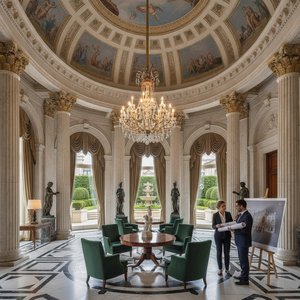
The Architectural Impact of Texture: Why Dimensionality Matters in Hospitality Design
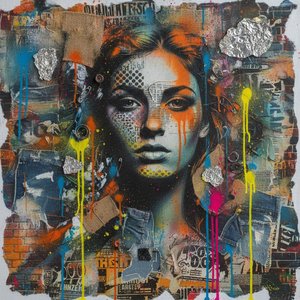 Mixed Media Magic: How to Layer Texture and Street Style for High-Impact Art
The New Dimension: Why Texture is the Ultimate Power Move In the fast-paced, hyper-visual landscape of modern urban living, flat imagery is losing its grip. We are moving into an era where the eye demands more than just a color palette; it craves tac...
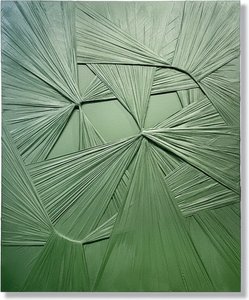
In the high-stakes arena of hospitality design, the difference between a transient space and a memorable destination often lies in the sensory depth of its surfaces. For the procurement professional tasked with furnishing expansive hotel lobbies or sophisticated corporate lounges, the visual landscape must transcend the flat, two-dimensional plane. We are moving into an era where the eye demands more than just a curated color palette; it craments tactile engagement. When we introduce texture into a room, we are not merely discussing roughness or smoothness, but rather how light dances across uneven planes to create shadows that shift as guests move through a space. This interplay of light and shadow creates a breathing, textured landscape that grounds a modern space in something primal and earthy.
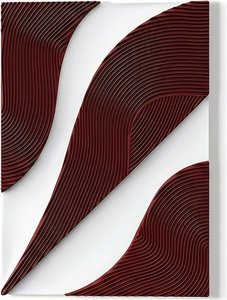
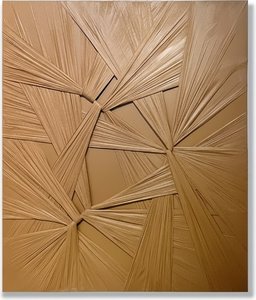
A truly thoughtful interior utilizes texture as a silent language, communicating presence and prestige. Consider the profound impact of a piece that breaks the two-dimensional plane to command physical space. By embracing varied surfaces—from the raised impasto of an oil painting to the delicate relief of mixed media—designers can transform a boundary into a focal point. This tactile invitation is essential for creating environments that feel authentic and high-impact, moving beyond the limitations of traditional flat imagery to offer a sensory journey that invites closer inspection and deeper engagement from every guest.
Understanding the Mechanics of Layering: From Collage to Assemblage
 Assemblage (art)
Assemblage is an artistic form or medium usually created on a defined substrate that consists of three-dimensional elements projecting out of or from the substrate. It is similar to collage, a two-dimensional medium. It is part of the visual arts and...
To master the art of visual impact, one must understand the fundamental distinction between collage and its more robust cousin, assemblage. At its core, collage is a technique of assembly, where different forms—be they newspaper clippings, ribbons, or photographs—are glued together to create a new, cohesive whole. It is an art form that celebrates the visible seams and overlaps, emphasizing the constructed nature of the work. This method allows for a complex narrative to emerge from disparate parts, much like how a well-designed hotel integrates various brand elements into a single guest experience.
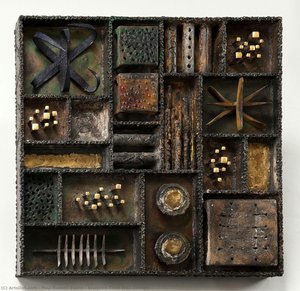
As we move toward more ambitious architectural statements, we encounter assemblage, the three-dimensional variant of this practice. Unlike the two-dimensional nature of collage, assemblage involves elements that project out from a substrate, creating a sculptural presence on the wall. This technique allows for the incorporation of found objects, wood, and even fabric, adding a layer of physical weight to the artwork. For the designer, understanding these mechanics is crucial; while a collage might offer a sophisticated graphic element for a boutique corridor, an assemblage provides the structural gravity required for a grand entrance or a centerpiece in a luxury suite.
Materiality and Depth: Integrating Mixed Media into Modern Hotel Interiors
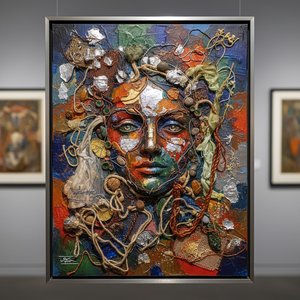 Beyond the Brush: An Expert Guide to Mastering Mixed Media Art Techniques and Materiality
The Essence of Hybridity: Defining Mixed Media in Contemporary Practice To step into the world of mixed media is to abandon the safety of a single medium and embrace the beautiful, often unpredictable, dialogue between disparate materials. For the de...
The essence of contemporary practice lies in hybridity—the intentional collision of ink, collage, acrylic, and found objects to create a narrative that a single medium alone could never articulate. In the context of large-scale interior projects, mixed media offers an unparalleled expansion of the designer's vocabulary. The tactile reality of a torn piece of newsprint can carry as much emotional weight as a delicate wash of watercolor, allowing for a sophisticated layering of both physical and conceptual depth. This approach enables the creation of works that possess a sense of temporal depth, inviting viewers to peer through various strata of history and intention.
Integrating these materials into a professional interior requires a keen eye for materiality. The use of diverse elements—such as paper, cloth, wood, or even e-waste—can communicate themes ranging from urban decay to ecological resilience. For the procurement manager, selecting mixed media pieces means choosing art that offers a "soul" to the surface. Whether it is the heavy impasto stroke representing strength or a translucent layer of tissue paper suggesting fragility, these materials allow for an emotionally charged exploration of form and color. This depth ensures that the artwork does not merely decorate a wall but actively participates in the storytelling of the architectural space.
Strategic Selection: Balancing Visual Complexity with Large-Scale Procurement Needs
For the professional managing large-scale art acquisitions, the challenge lies in balancing the intense visual complexity of textured art with the practicalities of procurement and budget. High-impact, multi-layered works are visually arresting, but they must be selected with an eye toward durability and cohesive design. In a hospitality setting, where art is often subject to high traffic and varying light conditions, the structural integrity of the artwork—from the substrate to the final varnish—is paramount. The selection process must account for how these complex textures will interact with the existing architectural finishes and lighting schemes of the property.
Effective procurement involves looking beyond the individual piece to the broader collection. This means identifying works that can be scaled or repeated to maintain a consistent aesthetic across multiple floors or wings of a hotel. While the artistry may be complex, the acquisition process should remain efficient and reliable. The goal is to find pieces that offer high visual impact without overwhelming the space, ensuring that the art serves as a sophisticated backdrop that enhances the brand identity rather than competing with it. Strategic selection ensures that every piece contributes to a unified, premium atmosphere that meets both aesthetic and operational standards.
Implementation Guide: Customizing Multi-Panel Compositions for Grand Scale Walls
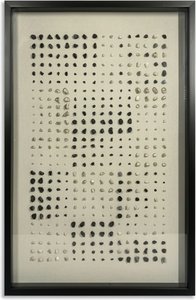 Dimensional Mosaic Wall Art – Modern Mixed Media Composition
A Study in Dimensionality: Abstract Mosaic Wall Art This striking abstract wall art commands attention through its dynamic composition of mixed media elements. A gradient-like arrangement of varying sized dots creates a compelling visual flow, transi...
One of the most effective ways to address expansive architectural voids, such as grand staircases or wide lobby walls, is through the use of multi-panel compositions. The modern trend toward splitting images across three, four, or even five panels allows for a seamless integration of art into large-scale design. This technique provides a way to break up massive surfaces with a sense of rhythm and movement, creating a contemporary, architectural look that feels both monumental and meticulously planned.
When implementing these multi-panel works, it is essential to ensure that the colors and brushstrokes flow seamlessly across every panel to maintain a cohesive visual narrative. For complex projects, professional customization is key. This might involve requesting specific color matching to align with a hotel's interior palette or utilizing "period shifts" to transform a modern concept into a classical masterpiece. By leveraging professional services for digital mockups and custom sizing, designers can visualize the final composition on their specific walls before production begins, removing uncertainty and ensuring that the final installation is a flawless execution of the original design vision.