Defining the Aesthetic: The Core Principles of Arts and Crafts for Hospitality Design
In the fast-paced world of modern hospitality, where transient guest experiences often lean toward the sterile and the mass-produced, the Arts and Crafts movement offers a profound architectural and decorative antidote. Emerging as a rebellion against the industrial dehumanization of the Victorian era, this movement champions the intrinsic value of craftsmanship, organic integrity, and the honest expression of materials. For the hotel designer, adopting these principles is not merely an exercise in nostalgia; it is a strategic move toward creating spaces that resonate with warmth, stability, and a sense of permanent luxury. The movement’s philosophy—rooted in the belief that beauty should be accessible through skilled labor—aligns perfectly with the high-end hospitality sector's goal of providing curated, soulful environments.
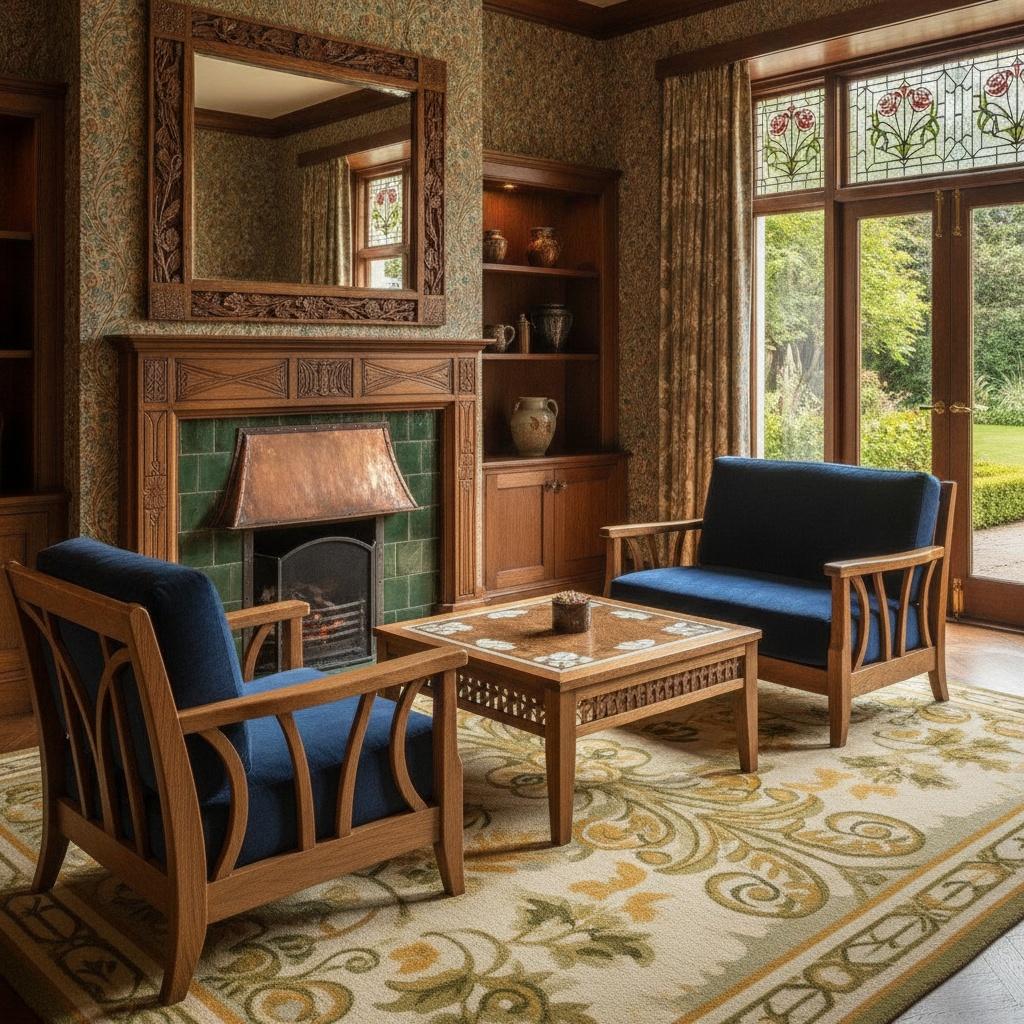
The aesthetic is defined by a rejection of superficial ornamentation in favor of structural honesty. In a lobby or executive suite, this translates to an emphasis on natural textures: heavy timbers, wrought iron, and stone. When designing for a professional scale, the focus shifts toward creating a cohesive narrative where every element feels intentional and grounded. By integrating these principles, designers can move away from fleeting trends and instead build interiors that possess a timeless authority, ensuring that the property remains relevant and prestigious through decades of shifting tastes.
Curating the Palette: Integrating William Morris Motifs and Natural Textures into Guest Suites
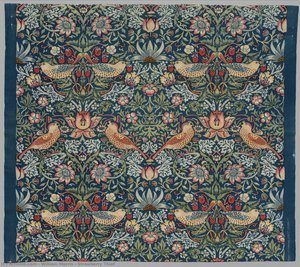
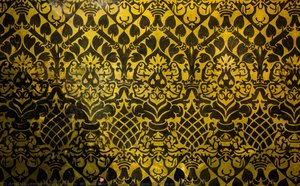
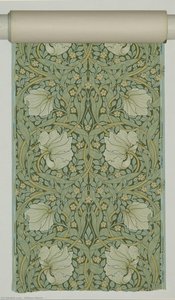
The visual heartbeat of the Arts and Crafts movement lies in its botanical complexity, most notably exemplified by the legendary works of William Morris. To introduce this into a guest suite is to invite nature indoors through a sophisticated lens of pattern and color. The use of intricate motifs—such as the winding acanthus leaves found in Blueacanthus or the romantic, layered flora of the Rose textiles—provides a rich, tactile depth that flat, modern wallpapers cannot achieve. These patterns act as anchors for the room, providing a sense of enclosure and intimacy that is essential for high-end residential-style hotel accommodations.
For the procurement professional, the challenge lies in balancing these dense, vibrant patterns with the broader color palette of the room. A successful implementation utilizes the rich greens, deep blues, and earthy ochres characteristic of Morris’s work to complement contemporary furnishings. By selecting hand-painted reproductions that capture the true tonal range of the original designs, designers can achieve a level of luxury that feels authentic rather than derivative. The interplay between the organic complexity of the art and the clean lines of modern furniture creates a sophisticated tension, offering guests a sensory experience that is both stimulating and deeply calming.
Scale and Impact: Utilizing Large-Format Murals and Multi-Panel Sets for Grand Lobbies
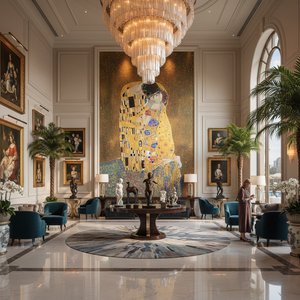
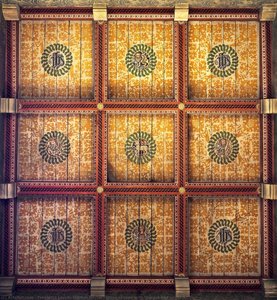
In the expansive volumes of hotel lobbies and grand staircases, small-scale decor often fails to command the necessary presence. The Arts and Crafts movement provides a powerful solution through large-format architectural art. Large-scale murals and ceiling frescoes can transform a standard structural element into a breathtaking focal point, much like the historical grandeur of the Sistine Chapel reimagined for a modern corporate or hospitality setting. These massive canvas rolls, painted with the meticulous detail of academic masters, allow designers to define the verticality of a space, creating an immediate sense of awe upon entry.
Furthermore, the "multi-panel" trend offers a versatile tool for navigating wide, contemporary architectural spans. By splitting a singular, complex composition across three, four, or five panels, a designer can create a rhythmic, modern installation that guides the eye through a corridor or along a feature wall. This technique allows for the integration of historical motifs into a fragmented, contemporary layout, preventing the space from feeling overly traditional while maintaining the movement's signature richness. Such installations are not merely decorations; they are architectural interventions that define the very character of the property.
Sourcing with Precision: Selecting Hand-Painted Reproductions vs. Giclée Prints for High-Traffic Areas
From a procurement and operational standpoint, selecting the appropriate medium is critical to both budget management and long-term durability. For high-traffic areas such as corridors or dining rooms, Giclée prints offer an efficient, cost-effective solution. These archival 12-color ink reproductions provide incredible accuracy and are highly resistant to fading, making them ideal for large-scale deployments where rapid installation is required. However, the designer must be aware of the tactile difference; a print lacks the physical impasto and light-catching texture of real oil paint.
In contrast, for signature spaces—such as presidential suites, executive boardrooms, or the main reception desk—the investment in hand-painted oil reproductions is unparalleled. These works, created on 100% cotton canvas with visible brushstrokes and a deeper tonal range, provide the "soul" that defines luxury. The physical presence of the paint adds a layer of prestige that cannot be replicated by digital printing. For the procurement manager, the decision involves weighing the rapid turnaround and lower cost of prints against the long-term value and incomparable aesthetic impact of bespoke, hand-painted masterpieces that serve as permanent assets to the hotel's collection.
The Procurement Advantage: Streamlining Art Acquisition for Hotel Renovations and Global Chains
Managing art procurement for a global hotel chain or a large-scale renovation requires more than just an eye for design; it requires operational reliability. The modern designer needs a supplier that understands the pressures of timelines, budget constraints, and the necessity of repeatable quality. A professionalized workflow—incorporating digital mockups for color matching, transparent order tracking via SMS/email, and the ability to provide VAT-compliant documentation—is essential for seamless integration into larger construction or renovation projects.
Efficiency in this sector is driven by the ability to scale. Whether it is commissioning a custom "period shift" portrait to reflect a hotel's local heritage or ordering dozens of standardized pieces for a multi-room rollout, the procurement process must be robust. Access to specialized services, such as professional digital mockups that allow for color adjustments before the first brushstroke touches the canvas, removes the uncertainty often associated with large-scale art orders. By partnering with a reliable trade supplier capable of managing global logistics through DHL or FedEx and providing full customs support, designers can focus on their creative vision, confident that the execution will meet museum-grade standards across every property in their portfolio.