The Historical Context: From Renaissance Ideals to Baroque Sensibility
 Wikipedia: Baroque
The Baroque (UK: bə-ROK, US: bə-ROHK, French: [baʁɔk]) is a Western style of architecture, music, dance, painting, sculpture, poetry, and other arts that flourished from the early 17th century until the 1750s. It followed Renaissance art and Manner...
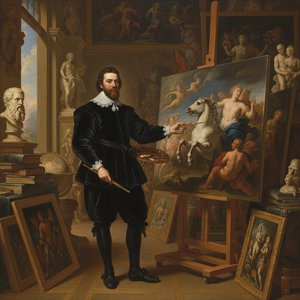
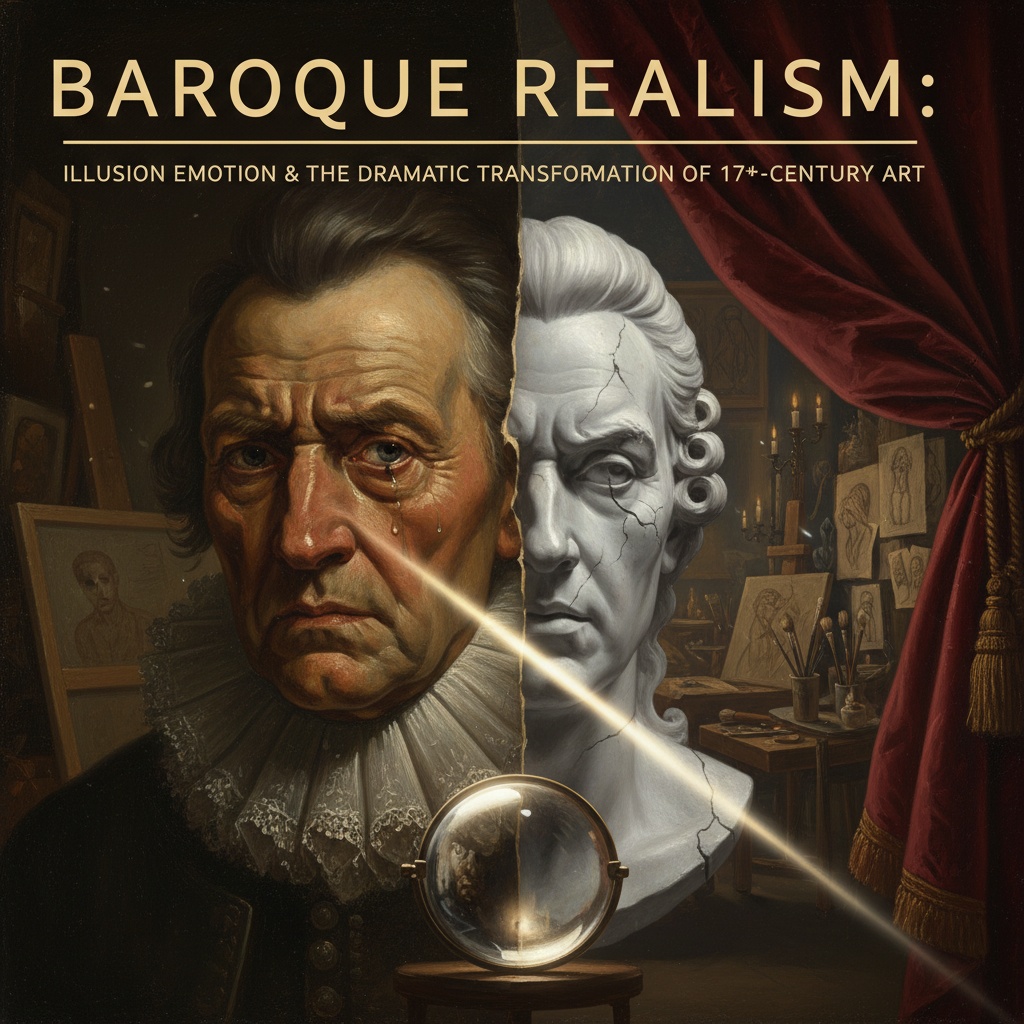
The early 17th century witnessed a profound shift in the artistic landscape, a departure from the measured harmony and intellectual idealism of the Renaissance. For centuries, art had largely been concerned with idealized beauty, classical proportion, and narratives steeped in mythology or religious allegory – a world where human potential was celebrated through perfect forms. However, a confluence of factors—the Protestant Reformation, burgeoning scientific inquiry, and a growing sense of societal unrest—began to erode this established order. The clarity and restraint of the High Renaissance gradually gave way to a more dynamic, emotionally charged aesthetic that we now recognize as Baroque. This wasn’t simply a rejection of the past; rather, it was a re-evaluation of its values, a desire to connect with audiences on a visceral level, and an embrace of complexity and theatricality. The emphasis moved from intellectual contemplation to immediate emotional impact, reflecting a world grappling with profound religious and political upheaval.
The Counter-Reformation & the Rise of Dramatic Religious Art
 Wikipedia: Counter-Reformation
The Counter-Reformation (Latin: Contrareformatio), also sometimes called the Catholic Revival, was the period of Catholic resurgence that was initiated in response to, and as an alternative to or from similar insights as, the Protestant Reformations ...
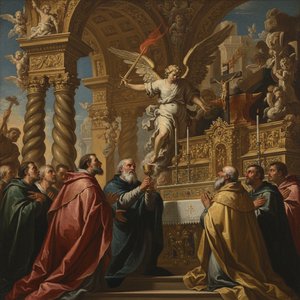
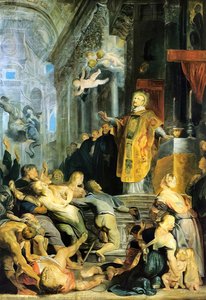
Central to understanding the Baroque’s emergence is the Catholic Church's response to the Protestant Reformation. The Council of Trent (1545–1563) served as a catalyst, prompting a comprehensive effort to reaffirm Catholic doctrine and revitalize religious fervor. Art became a powerful weapon in this counter-offensive. No longer content with subtle didacticism, the Church sought images that would inspire awe, devotion, and unwavering faith. This demand fueled a new artistic vocabulary—one characterized by dramatic compositions, intense emotionality, and a heightened sense of realism. Artists were tasked with creating works that weren’t merely representations of biblical scenes but immersive experiences designed to engage the viewer's senses and stir their soul. The goal was not simply to depict faith, but to *evoke* it. This period saw an explosion of religious commissions, transforming churches into opulent theaters of spiritual spectacle.
Illusionism & Realism: Techniques that Captivated the Senses
 The Visceral Power of Dramatic Art: Exploring Emotional Intensity Across Movements & Media
Explore the captivating world of Baroque art! Discover its history, defining characteristics, and lasting influence on painting, sculpture & design. Expert insights for collectors.
The Baroque masters achieved this emotional resonance through a masterful command of technique. Chiaroscuro, the dramatic contrast between light and shadow, became a defining characteristic, used to heighten tension, focus attention, and create a sense of depth and volume. Artists like Caravaggio pushed this technique to its extreme, plunging figures into near darkness punctuated by starkly illuminated areas, lending an almost theatrical quality to their compositions. But it wasn’t just about light; it was about the meticulous rendering of detail—the textures of fabrics, the expressions on faces, the imperfections of human skin. This commitment to realism, however, wasn't simply a matter of accurate representation. It served a deeper purpose: to make religious narratives more relatable and immediate. By depicting saints and biblical figures as ordinary people with tangible emotions, artists bridged the gap between the divine and the earthly realm. The use of foreshortening, perspective, and illusionistic ceiling paintings further blurred the boundaries between art and reality, creating immersive environments that enveloped the viewer.
Emotional Intensity and Narrative Power in Baroque Painting
Realism was an artistic movement that emerged in France in the 1840s. Realists rejected Romanticism, which had dominated French literature and art since the early 19th century. The artist Gustave Courbet, the original proponent of Realism, sought to ...
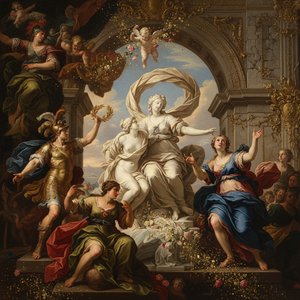
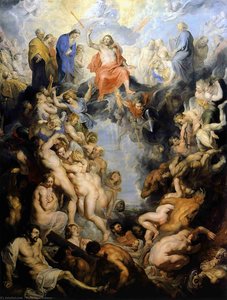
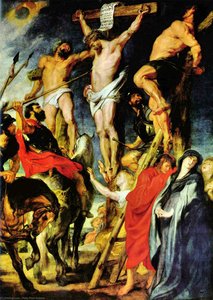
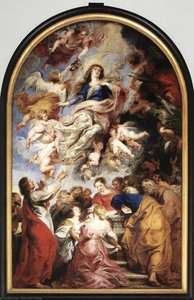
Beyond technical prowess, Baroque painting was distinguished by its profound emotional intensity. Artists sought to capture moments of peak drama—the ecstasy of a saint’s vision, the anguish of Christ's crucifixion, the raw grief of Mary Magdalene. These weren’t static depictions; they were dynamic scenes filled with movement, energy, and psychological depth. The compositions often employed diagonal lines and swirling forms to create a sense of instability and excitement, drawing the viewer into the heart of the action. Narrative power was also paramount. Artists didn't simply illustrate biblical stories; they interpreted them, imbuing them with their own emotional understanding and theological insights. Consider Peter Paul Rubens’s “The Descent from the Cross,” where the vibrant colors and dynamic composition convey a sense of both sorrow and hope. Or Jacopo Tintoretto’s “Resurrection of Christ”, which explodes with energy and divine light, capturing the awe-inspiring moment of Christ's triumph over death. These paintings weren’t just beautiful objects; they were powerful tools for religious persuasion.
Key Masters of Baroque Realism: Caravaggio, Rubens, and Tintoretto
Three artists stand out as exemplars of Baroque realism: Michelangelo Merisi da Caravaggio, Peter Paul Rubens, and Jacopo Tintoretto. Caravaggio, with his revolutionary use of chiaroscuro and unflinching portrayal of human imperfection, challenged the conventions of academic painting. His works often depicted religious subjects in gritty, realistic settings, populated by ordinary people rather than idealized figures. Rubens, a master of dynamic composition and vibrant color, infused his paintings with a sense of energy and exuberance. He seamlessly blended classical mythology with Christian themes, creating opulent and emotionally charged scenes. Tintoretto, known for his dramatic compositions and innovative use of perspective, created monumental works that pushed the boundaries of illusionism. While each artist possessed a unique style, they shared a common commitment to realism, emotional intensity, and narrative power. Their influence extended far beyond their lifetimes, shaping the course of Western art for centuries to come.
The Enduring Legacy of Baroque Realism on Western Art
The impact of Baroque realism reverberates through subsequent artistic movements. Its emphasis on emotion, drama, and technical virtuosity paved the way for Romanticism and beyond. The techniques developed by Caravaggio, Rubens, and Tintoretto—chiaroscuro, dynamic composition, illusionistic perspective—continue to be studied and admired by artists today. Moreover, the Baroque’s exploration of religious themes and its commitment to engaging audiences on a visceral level remain relevant in contemporary art. From the grand scale of historical paintings to the intimate intensity of portraiture, the legacy of Baroque realism is evident in countless works across various media. The desire to capture not just *what* things look like but *how* they feel—to evoke emotion and inspire awe—remains a central tenet of artistic expression, a testament to the enduring power of this transformative period. Explore these masterpieces further with ArtsDot.com, where you can bring the drama and beauty of Baroque art into your own home through stunning reproductions.