
The Alchemy of Shadow: Using Chiaroscuro to Define Modern Luxury
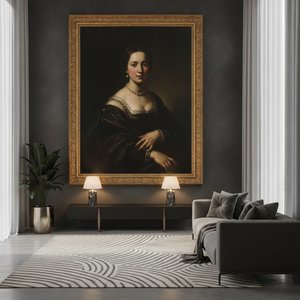 Baroque Portraits: Mastering Chiaroscuro and Dramatic Lighting for High-Impact Modern Interiors
The Power of Chiaroscuro: Why Dramatic Lighting Defines Modern Luxury In the realm of high-end interior design, true luxury is rarely found in the predictable or the muted; it resides in the tension between what is revealed and what remains hidden. T...
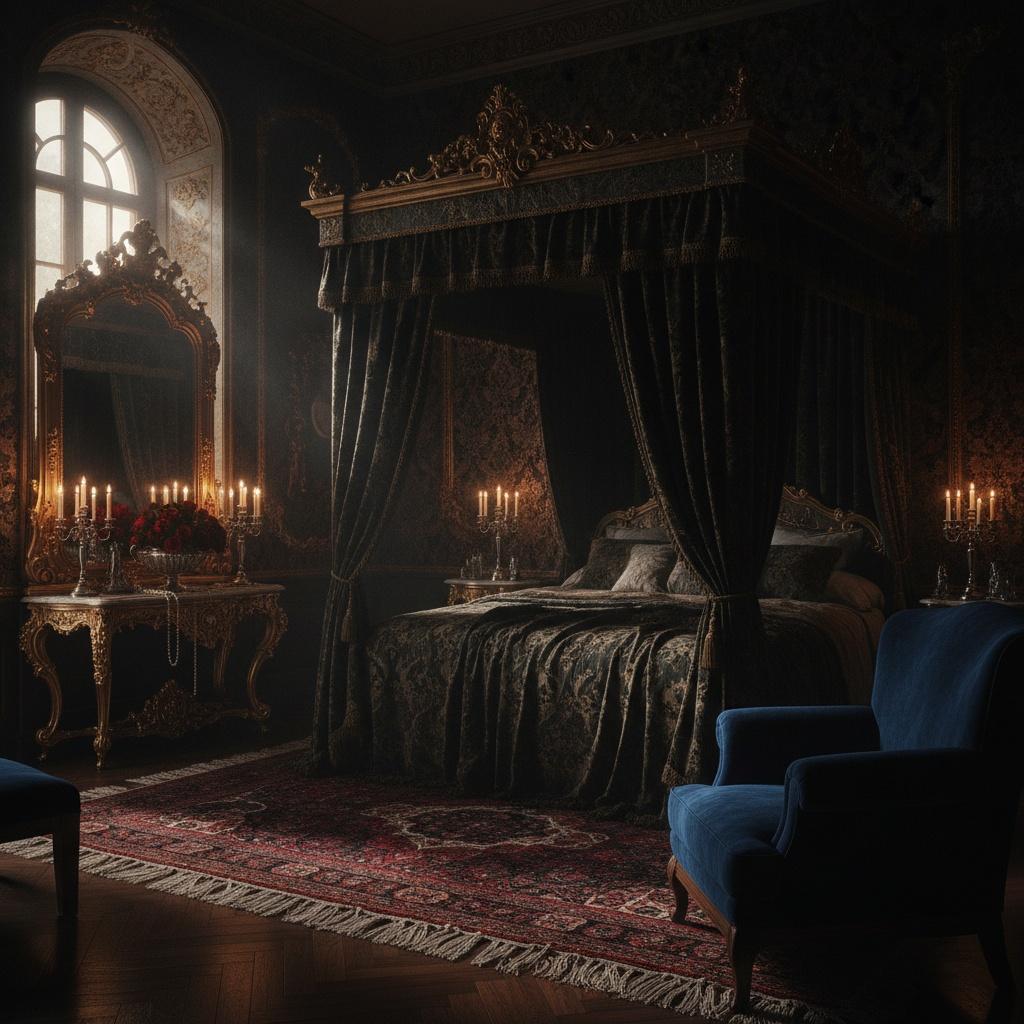
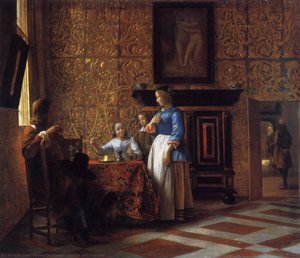
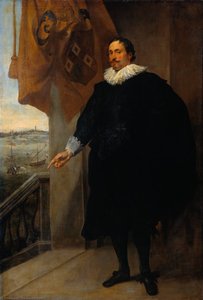
In the realm of high-end interior design, true luxury is rarely found in the predictable or the muted; it resides in the tension between what is revealed and what remains hidden. This is the fundamental essence of chiaroscary, the Baroque technique of utilizing extreme contrasts between light and shadow to command attention. When we speak of modern luxury, we are often discussing a curated atmosphere of depth and intention. A room filled with flat, even lighting can feel sterile, but a space anchored by a portrait that breathes with tenebrism—that intense, dark, atmospheric shadow seen in the works of masters like Caravaggio—instantly transforms a contemporary penthouse into a theater of emotion.
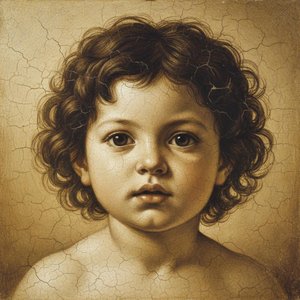
To gaze upon a true masterpiece is to witness a silent struggle between the visible and the unseen. This alchemy of light is not merely a technical method of modeling three-dimensional forms; it is an emotional language. When light meets darkness on a canvas, it creates a sense of volume that breathes life into the figures, pulling them from the void and into our very consciousness. For the discerning collector, choosing a piece defined by such dramatic lighting means bringing a sense of gravity and prestige into an otherwise airy, modern environment, ensuring that every glance toward the artwork feels like a profound discovery.
Tenebrism and Tension: Creating Cinematic Focal Points in Minimalist Spaces
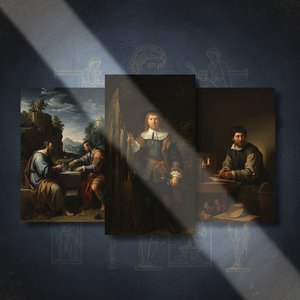 Chiaroscuro's Embrace: A Visual Journey Through Art History's Most Dramatic Masterpieces
The Alchemy of Light: Understanding Chiaroscuro and Tenebrism To gaze upon a true masterpiece is to witness a silent struggle between the visible and the unseen. In the annals of art history, few techniques possess the visceral power of chiaroscuro —...
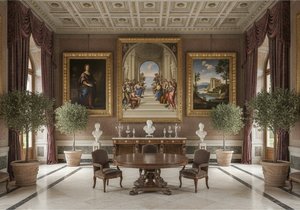
Minimalism is often celebrated for its clarity and restraint, yet without a certain level of visual complexity, it risks falling into the trap of emptiness. The secret to elevating a minimalist aesthetic is the strategic introduction of shadow. Baroque-inspired portraits serve as the perfect counterpoint to the clean lines and neutral palettes of modern architecture. Where a white wall might feel cold or unanchored, the deep, obsidian tones found in a masterpiece provide a necessary anchor, injecting a sense of narrative tension that prevents a space from feeling static.
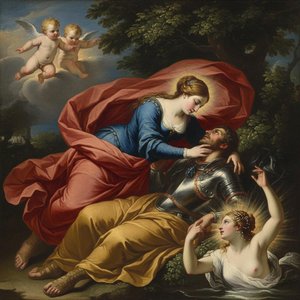
In these more extreme manifestations of light, we encounter tenebrism, where the shadows do not merely define form but dominate the composition. In tenebrist works, the darkness becomes a heavy, palpable presence—an encroaching void from which sudden, piercing highlights emerge like theatrical spotlights. This dramatic contrast serves to heighten the psychological tension of the scene, forcing the viewer’s eye to focus on the most critical elements of the narrative: a weeping eye, a clenched hand, or the glint of a blade. By introducing these high-impact pieces, you create a visual anchor that feels both grounded and transcendent, turning a minimalist room into a stage for cinematic storytelling.
Beyond the Frame: Integrating Baroque Grandeur into Contemporary Architecture
The Baroque Revival, also known as Neo-Baroque (or Second Empire architecture in France and Wilhelminism in Germany), was an architectural style of the late 19th and early 20th centuries. The term is used to describe architecture and architectural sc...
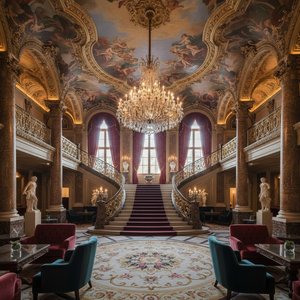
The influence of the Baroque era extends far beyond the edges of a canvas; it is an architectural philosophy of movement and metamorphosis. From the sweeping lines of the I Gesuiti in Venice to the theatrical grandeur of the New Schleißheim Palace, the Baroque spirit was designed to bridge the gap between the earthly and the divine. This sense of Baroque Revival—or Neo-Baroque—demonstrates how architectural elements like opulent sculptural embellishments and sweeping lines can be used to create a cohesive environment where the structural and the decorative are inextricably linked.
In modern luxury residences, this integration can be achieved through large-scale interventions. Imagine the impact of massive canvas rolls or even ceiling frescoes that recreate the breathtaking scale of historical monuments. Whether it is through the use of multi-panel group sets that flow across wide staircases or custom murals that transform a hotel lobby into a sanctuary of light and shadow, the goal is to evoke the same awe that once captivated the great patrons of the seventeenth century. By treating walls not as boundaries but as canvases for historical depth, we allow history to breathe alongside unparalleled contemporary artistry.
Mastering the Mood: Curating High-Contrast Color Palettes for Emotional Depth
 václav vavřinec reiner
Václav Vavřinec Reiner: A Baroque Visionary Václav Vavřinec Reiner (Wenzel Lorenz Reiner), born Prague, Czech Republic around 1686 or 1689 and died Prague in 1743, stands as a pivotal figure within the baroque painting movement—a period characterized...
To master the mood of a sophisticated interior, one must look toward the opulent color palettes that defined the Baroque movement. Unlike the rational clarity and sobriety found in later classical styles, Baroque art pulsates with emotion through its use of rich, saturated tones and masterful manipulation of light. Artists like Václav Vavřinec Reiner utilized intense chiaroscuro to convey profound spiritual fervor, using color not just for decoration, but to drive the psychological temperature of the work.
When curating a space, consider how deep, velvety blacks and radiant highlights can interact with your existing furniture and textures. A palette that embraces high contrast—pairing deep ochres, rich crimsons, or midnight blues with brilliant, light-drenched accents—creates a sense of visual weight. This is particularly effective when using hand-painted oil reproductions, where the visible brushstrokes and deeper tonal range provide a tactile richness that digital prints simply cannot replicate. The result is a room that feels curated, intentional, and deeply layered.
The New Renaissance: Customizing Historical Styles for Personal Expression
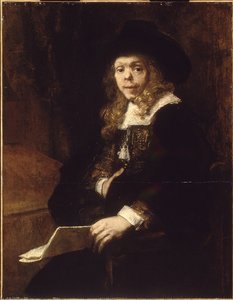 gérard de lairesse
Gérard de Lairesse: A Leading Figure of Belgian Baroque Art Gérard de Lairesse (1640-1711) was a prominent Belgian painter who significantly contributed to the development and flourishing of Baroque art during the 17th century. Born in Liège, Belgium...
In the modern age, we possess the extraordinary ability to remix art history, allowing for a level of personalization that was once reserved only for royalty. We are no longer bound by the strictures of the past; instead, we can use it as a toolkit for self-expression. Through advanced techniques, it is possible to undergo a "Period Shift," transforming a contemporary photograph into a seventeenth-century masterpiece in the style of Rembrandt or Gérard de Lairesse.
This intersection of technology and tradition allows collectors to bridge their personal milestones with the grandeur of the Old Masters. Whether it is a custom portrait that utilizes the dramatic lighting of the Spanish Baroque or an AI-reconstructed image that blends modern identity with Cubist or Surrealist elements, the possibilities are limitless. By commissioning works that feature 100% hand-painted textures on cotton canvas, you ensure that your personal narrative is preserved with the same dignity and craftsmanship as the legendary works found in the world's greatest museums.