


The Renaissance of Order: Defining Academic Classicism in a Modern Context
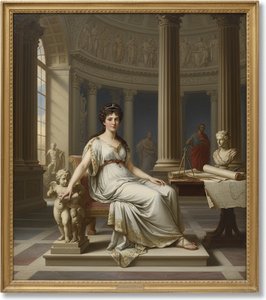
In an era often defined by the fleeting nature of digital trends and the frenetic energy of contemporary abstraction, there exists a profound, quiet power in the return to order. Academic Classicism, once the rigorous standard of the great European academies, is experiencing a breathtaking resurgence within the modern consciousness. This movement is not merely a nostalgic glance backward at the gilded halls of the 19th century; rather, it is a sophisticated reclamation of structure, balance, and intentionality. To engage with this style is to embrace a visual language where every line serves a purpose and every composition whispers of eternal truths. The essence of this revival lies in its ability to provide an anchor for the modern soul. While much of today's visual landscape thrives on disruption, Academic Classicism offers a sanctuary of harmony. It draws upon the disciplined techniques perfected by masters who studied the anatomical precision of the Renaissance and the dramatic chiaroscuro of the Baroque. When we speak of reimagining this style today, we are discussing the integration of these venerable principles into a world that craves stability and elegance. It is about finding the intersection where the disciplined rigor of the past meets the curated, minimalist sensibilities of the present, creating a dialogue that feels both ancient and entirely new.Anatomy of Elegance: The Technical Mastery of Light, Form, and Detail
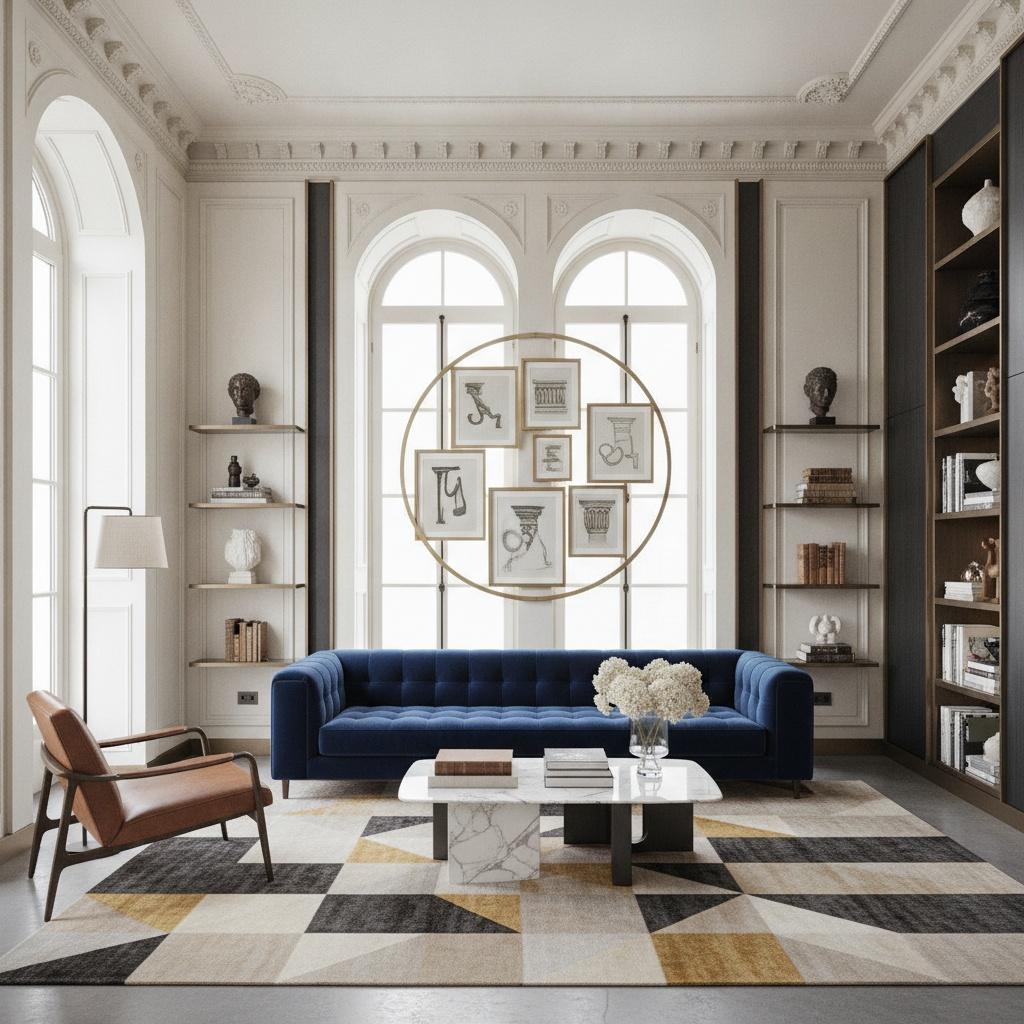
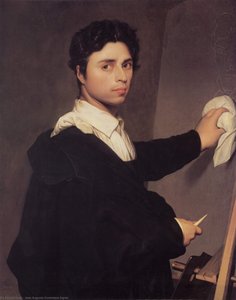
To truly appreciate the depth of Academic Classicism, one must look beyond the subject matter and into the very mechanics of the paint itself. This is an art form rooted in the mastery of the physical world. At its core lies a profound understanding of anatomy and light—a technical prowess that allows an artist to breathe life into a static canvas. Consider the way light interacts with a curved surface, or how a subtle shadow can define the weight of a limb; these are not mere observations but calculated feats of skill. The use of chiaroscary, the dramatic interplay between light and dark, creates a sense of three-dimensional presence that pulls the viewer into the narrative. The beauty of this movement is found in its meticulous attention to detail, where nothing is left to chance. From the delicate rendering of fabric textures to the precise hatching techniques seen in classical sketches, such as those by Vincenzo Camuccini, every brushstroke contributes to a larger sense of realism and grace. This level of craftsmanship demands more than just vision; it requires a disciplined hand capable of executing complex gradients and subtle tonal shifts. It is this very technical excellence—the ability to manipulate oil and pigment to mimic the softness of skin or the cold hardness of marble—that gives Academic art its enduring, tactile allure.From Museums to Living Rooms: Integrating Classical Aesthetics into Contemporary Design
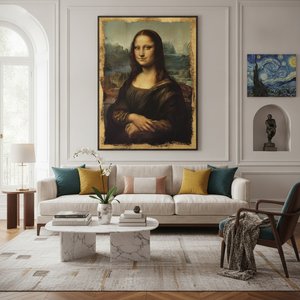
The transition of classical aesthetics from the hallowed, silent corridors of museums into the vibrant, lived-in spaces of modern homes is one of the most exciting developments in contemporary interior design. We are witnessing a shift away from purely functional minimalism toward a more "curated" approach, where historical weight is used to add character and soul to a room. Integrating a piece of Academic art into a modern setting does not require a period-accurate room; instead, it thrives on contrast. A large-scale, classical portrait or a serene landscape can act as a powerful focal point against the clean lines of mid-century modern furniture or the industrial edge of a loft. This integration is about creating layers of meaning within a space. When a contemporary living room features a reproduction that captures the dramatic lighting of the Baroque period, it creates a tension between the old and the new that is visually stimulating. The goal is to use these works to evoke enduring moods—tranquility, strength, or even a touch of mystery. By treating classical art as a versatile design element rather than a museum relic, decorators can infuse modern architecture with a sense of permanence and historical continuity, making a house feel like a home with a deep, storied lineage.The Art of the Remix: Reimagining Historical Masterpieces through Modern Lenses
Perhaps the most compelling aspect of this movement is the concept of the "artistic remix." We are no longer bound by the strictures of historical replication; instead, we have entered an era of creative reinterpretation. This involves taking the foundational elements of Academic art—its focus on idealized beauty and structured composition—and infusing them with modern perspectives. It is a way to honor the masters while asserting our own contemporary identity. We see this in the way digital tools can now allow us to envision classical figures in new color palettes or even transform personal, modern imagery into works that echo the grandeur of the 17th century. This reimagining extends to the very subjects being depicted. While the techniques remain rooted in tradition, the themes can be entirely contemporary. The "period shift" allows for a fascinating alchemy where a modern portrait might be executed with the luminous glazing techniques of a Renaissance master, or a contemporary landscape might adopt the structured, idealized forms of Neoclassicism. This fluidity prevents the style from becoming stagnant. It ensures that Academic Classicism remains a living, breathing movement, capable of absorbing new influences and remaining relevant to the aesthetic desires of a global, modern audience.Timeless Textures: The Lasting Impact of Hand-Painted Oil Reproductions
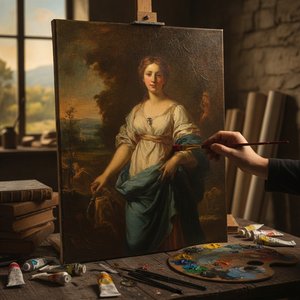
In a world increasingly dominated by the flat, pixelated surfaces of digital screens, there is an irreplaceable value in the tactile reality of hand-painted oil on canvas. A true reproduction is not merely a copy; it is a physical manifestation of the artist's labor and passion. When one holds a piece created with visible brushstrokes and thick, impasto textures, they are experiencing the "soul" of the work. The depth of color achieved through the layering of oils—using specific pigments like safflower to ensure whites remain pure and do not yellow over time—creates a tonal range that no digital print can ever replicate. The longevity of these works is a testament to the enduring nature of classical materials. Protected by layers of Damar varnish, these paintings are built to withstand the passage of time, preserving their vibrancy for generations. This commitment to quality ensures that the art remains a lasting legacy within a home. Whether it is a large-scale mural that transforms a ceiling into a frescoed masterpiece or a delicate portrait that captures a personal milestone, the physical presence of oil paint provides a sensory connection to history. It is this marriage of ancient technique and modern accessibility that allows us to keep the flame of Academic excellence burning brightly in the modern age.Discover the intersection of history and modern luxury at ArtsDot.com, where we specialize in bringing the grandeur of the Old Masters into your contemporary world through exquisite, hand-painted reproductions.