

The Alchemy of Stone: Understanding the Planographic Revolution
 Lithography
Lithography (from Ancient Greek λίθος (líthos) 'stone' and γράφω (gráphō) 'to write') is a planographic method of printing originally based on the immiscibility of oil and water. The printing is from a stone (lithographic limestone) or a metal plate ...
To understand the true impact of lithography, one must first strip away the modern concept of a mere "print" and look toward the profound chemical revolution that occurred in 1796. When Alois Senefelder, a German playwright facing the financial pressures of his craft, stumbled upon this method, he did not simply invent a new way to copy text; he unlocked a planographic dimension of art. Unlike the aggressive, physical labor of relief printing—where wood must be carved away—or the deep, incised trenches of intaglio etching, lithography operates on a flat plane. It is a medium that exists upon the surface, much like the very paper it eventually graces, offering a level of spontaneity and fluid detail that mimics the delicate nuances of a sketch or a master painting.
This revolution changed the visual language of the world. By moving away from the structural struggle against the resistance of wood or metal, artists found a new freedom to capture movement, light, and atmosphere with unprecedented ease. For the modern collector, this means encountering works that possess an effortless elegance, where the artist's hand feels immediate and unburdened by the mechanical constraints of older traditions. It is a departure from depth toward a medium of surface tension, creating a visual impact that is both sophisticated and strikingly direct.
Chemical Equilibrium: The Science of Oil and Water Repulsion
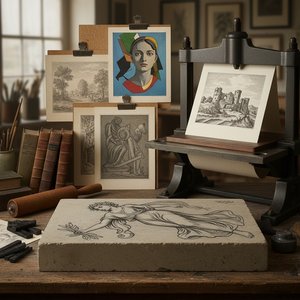 Lithography: A Historical Survey of Technique, Artistic Expression & Enduring Legacy
The Genesis of Lithography: Senefelder’s Innovation & Early Development History of printing Printing emerged as early as the 4th millennium BCE in the form of cylinder seals used by the Proto-Elamite and Sumerian civilizations to certify documents wr...
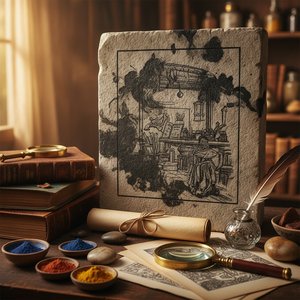
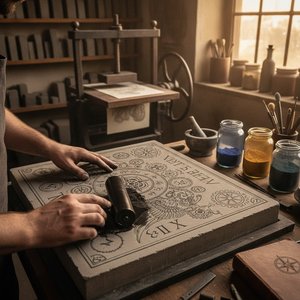
At the very heart of this beautiful medium lies a fundamental, eternal tension: the natural refusal of oil and water to mix. This scientific phenomenon, known as immiscibility, is the secret engine behind every masterpiece produced via stone or plate printing. The process begins with a smooth, flat surface—traditionally a lithographic limestone—which is treated with a greasy substance such as oil, fat, or wax. Through a meticulous application of weak acid and gum arabic, the artist "etches" the stone, creating a chemical landscape where certain areas become hydrophilic, or water-attracting, while the greasy marks remain stubbornly oil-repellant.
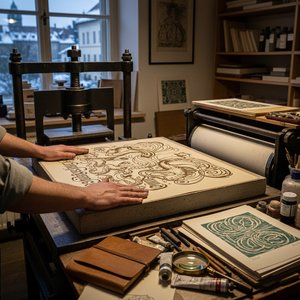
The magic occurs during the printing phase itself. As the stone is moistened, water adheres only to the etched, hydrophilic areas, effectively shielding them from the ink. When an oil-based ink is then rolled across the surface, it finds its home only upon the original greasy drawing, leaving the dampened areas pristine. This delicate chemical equilibrium allows for a breathtaking range of tonal values and textures that are nearly impossible to achieve through other means. For those who appreciate the technical mastery behind their collections, this alchemy ensures that every stroke of the artist's crayon is preserved with startling fidelity, capturing the very breath of the creator.
From Mass Production to Masterpiece: Why Lithography Defines Modern Visual Impact
 The Enduring Legacy of Fine Art Prints: Technique, History & Aesthetic Impact
The Genesis of Impression: Early Printmaking Techniques & Materials Wikipedia: Printmaking Printmaking is the process of creating artworks by printing, normally on paper, but also on fabric, wood, metal, and other surfaces. "Traditional printmaking" ...
While the origins of lithography were rooted in practical needs like musical scores and maps, the medium quickly transcended its functional beginnings to become a cornerstone of modern visual culture. It provided the bridge between the singular, hand-painted surface and the ability to disseminate powerful artistic visions across borders and generations. This capability did not devalue the art; rather, it amplified its presence. In an era defined by high-impact visuals, lithography offers a unique intersection of accessibility and prestige, allowing for the creation of works that possess the vibrant energy of street art and the sophisticated depth of classical masters.
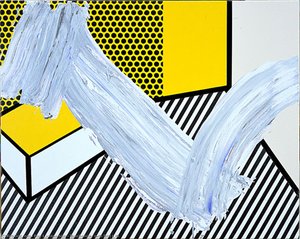
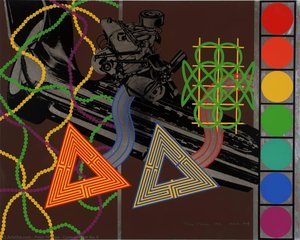
The true power of the lithograph lies in its ability to define an aesthetic movement. From the bold, saturated colors reminiscent of Pop Art to the intricate, atmospheric landscapes that evoke a sense of wonder, the medium supports a vast spectrum of expression. It allows for a level of detail and color saturation that can command a room, making it an essential tool for those seeking art that is not merely decorative but culturally literate and visually arresting. The lithograph does not just replicate an image; it amplifies the artist's intent, turning a single vision into a lasting legacy of graphic excellence.
Collector’s Guide: Distinguishing Fine Art Lithographs from Commercial Prints
 Printmaking
Printmaking is the process of creating artworks by printing, normally on paper, but also on fabric, wood, metal, and other surfaces. "Traditional printmaking" normally covers only the process of creating prints using a hand-processed technique, rathe...
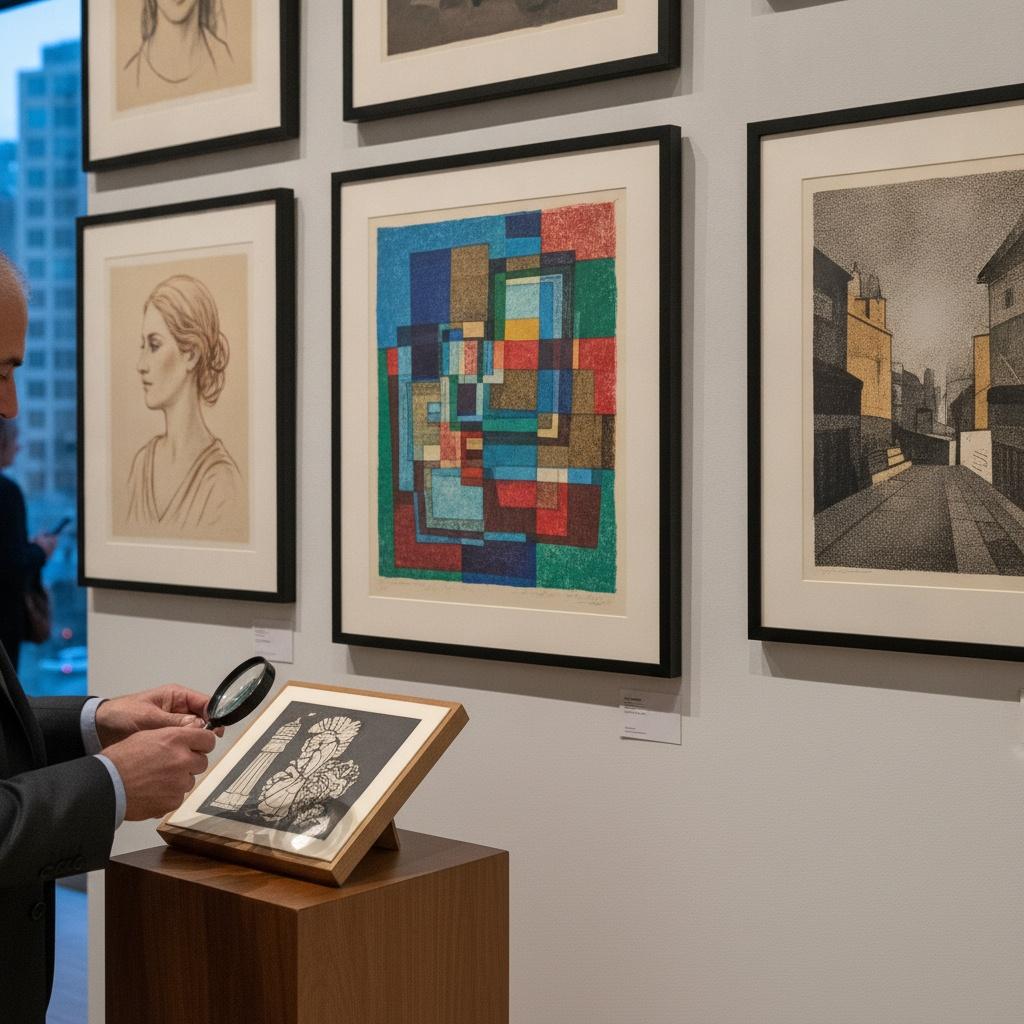
For the discerning collector, navigating the sea of reproductions requires a sharp eye and an understanding of technical distinction. It is vital to differentiate between a true fine art lithograph and modern commercial printing. A true lithograph is a product of the hand-processed technique described above—a work where the ink is transferred from a stone or metal plate through chemical interaction. These pieces are characterized by their tactile quality, their unique tonal range, and the fact that they are part of a limited edition, often bearing the artist's signature and numbering.
In contrast, modern commercial lithography—often referred to as offset printing—utilizes a photographic process where the image is transferred via a rubber cylinder. While highly efficient for mass-market posters, it lacks the soul and the physical depth of the traditional method. When investing in art, one looks for that "painterly" quality: the subtle variations in ink density and the way the light interacts with the paper's surface. A true lithograph is an encounter with the artist's original gesture, whereas a commercial print is a digital echo. Understanding this distinction is fundamental to building a collection of enduring value and aesthetic significance.
Curating the Surface: Integrating High-Impact Graphics into Contemporary Interiors
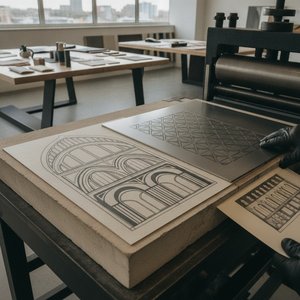 Lithography Explained: A Professional Guide to Stone and Plate Printing for Interior Designers
The Fundamentals of Planographic Printing: Understanding Surface vs. Relief The Alchemy of Stone and Ink: A Collector's Definitive Guide to the Art of Lithography The Planographic Revolution: Understanding the Essence of Lithography Lithography stand...
Integrating lithographic works into a modern interior design scheme requires an appreciation for scale, texture, and visual weight. Because lithography excels at capturing both fine, delicate lines and bold, saturated color blocks, it offers unparalleled versatility for the contemporary space. For large-scale hospitality projects or grand residential halls, the use of high-impact graphics can transform an expansive wall into a focal point of architectural interest. The "flatness" of the planographic process allows these works to sit elegantly within a room, providing a sophisticated layer of texture that complements modern minimalism or adds depth to more eclectic, maximalist settings.
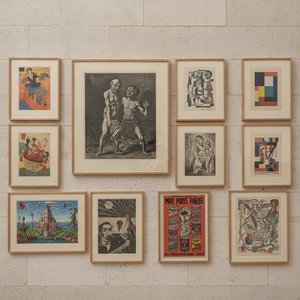
When curating, consider the interplay between the print's subject matter and the surrounding architecture. A series of smaller, intimate lithographs can be arranged in a gallery-style layout to create a sense of rhythm along a staircase, while a single, large-format work can serve as a powerful anchor for a lounge or executive office. By selecting pieces that balance chemical complexity with bold visual identity, the collector does more than decorate; they curate an environment of profound artistic resonance, where every surface tells a story of innovation and exquisite craftsmanship.