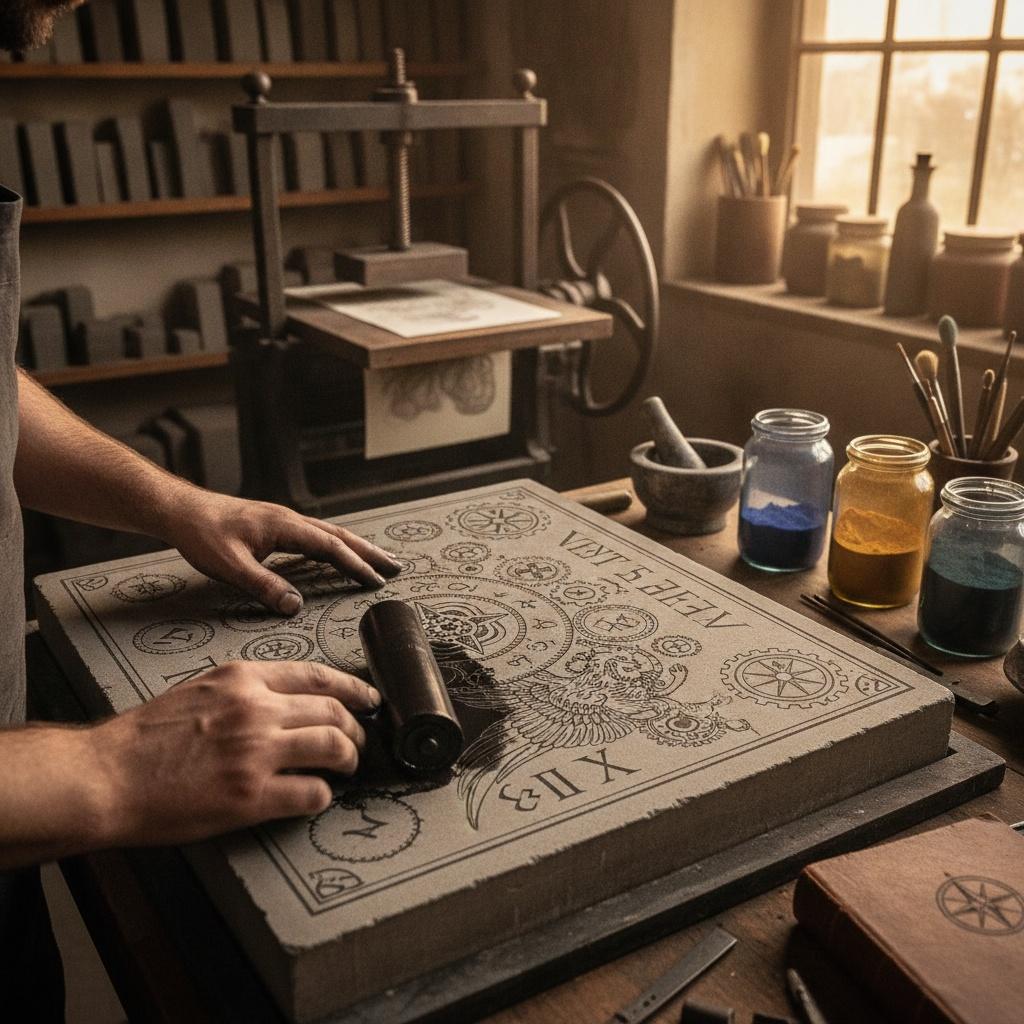
The Genesis of Lithography: From Ancient Origins to the Alchemical Revolution
 The Enduring Legacy of Printmaking: Techniques, Themes & Artistic Innovation Across Centuries
The Genesis of Printmaking: From Ancient Origins to Early European Developments Wikipedia: Printmaking Printmaking is the process of creating artworks by printing, normally on paper, but also on fabric, wood, metal, and other surfaces. "Traditional p...
To understand the profound impact of lithography, one must first look back beyond the polished galleries of the modern era to the primal human impulse to replicate beauty. Long before the advent of digital precision, humanity sought ways to multiply images—to share stories, spiritual beliefs, and artistic visions far beyond the singular, hand-painted surface. While the roots of printmaking can be traced to the 5th-century woodblock traditions of China, where artisans meticulously carved patterns into wood for textiles and Buddhist scriptures, these early relief methods were fundamentally different from what would become the lithographic revolution. The true metamorphosis occurred in 1796, when the German author and actor Alois Senefelder sought an inexpensive way to reproduce musical scores and maps. In his hands, printmaking ceased to be merely a process of carving away material and became an act of chemical alchemy.
This transition from relief—where material is removed around an image—to planographic printing marked a pivotal moment in art history. It moved the artist away from the physical struggle against wood or metal and toward a more fluid, gestural freedom. The very name lithography, derived from the Ancient Greek lithos (stone) and graphō (to write), whispers of this era when the artist’s hand could directly interact with the medium, much like a sketch on paper. This innovation laid the groundwork for an era where the boundaries between fine art and mass dissemination began to blur, allowing the brilliance of the masters to reach a wider, more global audience.
The Science of Repulsion: Understanding the Symbiosis of Oil and Water
The drawing is replaced with ink, creating a beautiful print. This process allows for detailed and subtle artwork. . Created by The Museum of Modern Art.
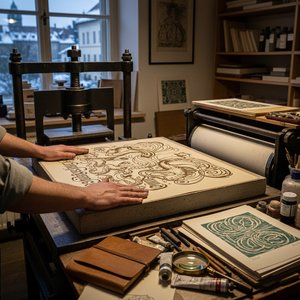
At its heart, lithography is a dance of opposites, a sophisticated mastery over the fundamental principle of immiscibility. The entire process relies upon the natural, inherent repulsion between oil and water. Unlike etching or woodcut, which rely on physical depth and texture, lithography is a planographic method, meaning the printing surface remains essentially flat. The magic lies in the chemical treatment of the matrix—tradally a smooth, porous limestone plate. An artist applies a drawing made with a greasy substance, such as oil-based ink, wax, or fat, onto the stone's surface. This greasy mark becomes the "image area," destined to attract ink.
The subsequent stage involves treating the stone with a solution that allows water to adhere only to the non-image areas. When the stone is passed through the press, the rollers apply an oil-based ink; because of the chemical tension, the ink clings stubbornly to the greasy drawing but is repelled by the water-soaked blank spaces. This delicate equilibrium requires immense technical precision. If the balance of moisture and oil falters, the clarity of the image is lost. It is this scientific rigor, paired with artistic intuition, that allows for a level of detail and tonal subtlety that few other printmaking techniques can replicate, capturing everything from the softest charcoal-like shadows to the sharpest, most decisive lines.
Mastering the Stone: The Intricate Craftsmanship of the Planographic Process
--- title: Lithography - Wikipedia author: Authority control databases url: https://en.wikipedia.org/wiki/Lithography hostname: wikipedia.org sitename: Wikimedia Foundation, Inc. date: 2001-11-09 --- # Lithography | Part of a series on the | | [Histo...
For the discerning collector, the allure of a lithograph often lies in the visible evidence of this arduous craftsmanship. The preparation of a lithographic stone is a labor of devotion. A heavy slab of Bavarian limestone must be meticulously leveled and grained using sand and water, ensuring a surface perfectly smooth yet capable of holding fine detail. Once prepared, the artist engages in a process that feels more like drawing than printing. Every stroke of the lithographic crayon or tusche—a liquid greasy ink—is permanent and carries the weight of intention.
The complexity deepens during the printing phase. As the stone moves through the press, the transfer of the image from the stone to the paper requires a controlled application of pressure. In more modern iterations, such as offset lithography, this image is "offset" from a plate to a rubber blanket before reaching the final surface, a technique that revolutionized commercial art and architectural rendering. Yet, in the realm of fine art, the traditional method remains unparalleled. The ability to capture the texture of the stone itself, combined with the artist's original gesture, creates an impression that possesses a unique tactile soul. It is not merely a copy; it is a physical manifestation of the artist’s interaction with the earth.
From Commercial Utility to Fine Art: The Evolution of the Lithographic Aesthetic
 goes lithographic co.
The Enduring Legacy of Goes Lithographic Co.: A Century and a Half of American Printmaking Founded in 1879, during the burgeoning era of industrial innovation, Goes Lithographic Co. stands as a remarkable testament to the power of dedication, quality...
The history of lithography is a fascinating study in how a utilitarian tool can ascend to the heights of high art. Initially, the medium found its greatest utility in the practical spheres of 19th-century life—producing everything from intricate stock certificates and architectural plans to musical scores and maps. Companies like the Goes Lithographic Co., founded in 1879, demonstrated how this precision could shape the very fabric of a nation’s visual identity, providing the detailed renderings that defined an era of industrial innovation.
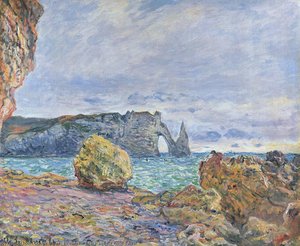
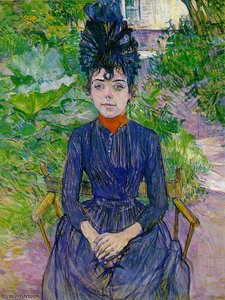
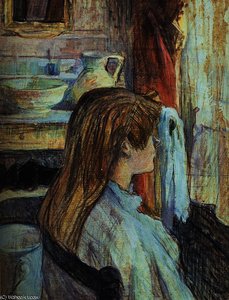
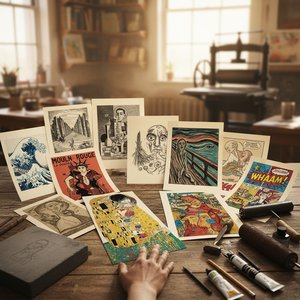
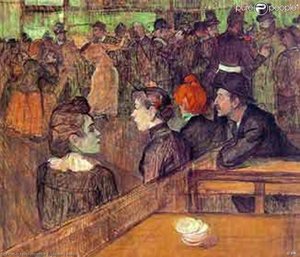
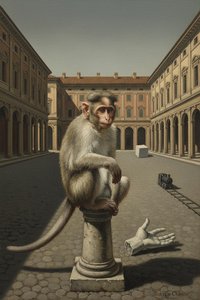
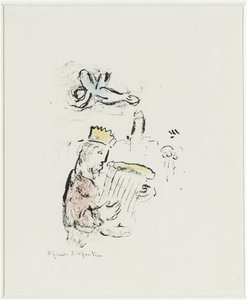
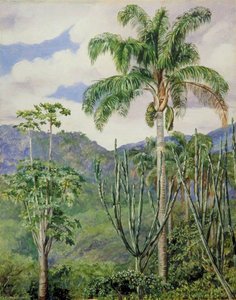
However, as the technique matured, it became the preferred medium for some of the most iconic movements in art history. The Impressionists and later the Post-Impressionists recognized that lithography could capture the ephemeral quality of light and the spontaneous energy of a sketch. Artists began to use the medium not just to replicate existing works, but to create entirely new visual languages. From the vibrant, movement-filled prints of Álvaro Barrios to the surreal, subversive visions of John Talleur, lithography allowed for an exploration of color, depth, and subject matter that pushed the boundaries of what a print could be. It transformed from a method of documentation into a medium of profound expression, capable of conveying the raw beauty of nature and the complexities of the human experience.
Preserving the Impression: The Collector's Guide to Lithographic Longevity and Value
 Giclée Prints: Archival Quality & Aesthetic Nuances for the Discerning Collector
Introduction: The Rise of Giclée Printing in Fine Art Wikipedia: Giclée Giclée ( zhee-KLAY) describes digital prints intended as fine art and produced by inkjet printers. The term is a neologism, ultimately derived from the French word gicleur, coine...
For the serious collector, acquiring a lithograph is an investment in both aesthetic beauty and historical continuity. Because these works are born from the interaction of organic materials—stone, oil, and water—their preservation requires a sophisticated understanding of chemistry and environment. To ensure that the pigments remain vibrant and the paper remains supple for generations, one must guard against the enemies of art: direct sunlight, fluctuating humidity, and atmospheric pollutants.
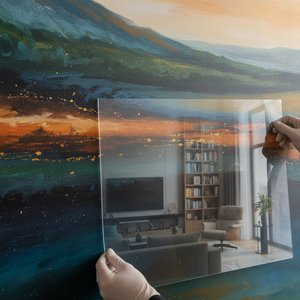
When evaluating a lithograph, the collector should look for the "soul" of the piece—the subtle variations in ink density and the presence of the artist's original hand. Unlike modern digital reproductions or Giclée prints, which are flat and uniform, a true fine art lithograph possesses a depth of tone and a textural richness that is unmistakable. Using acid-free matting and UV-protective glass can create a vital air gap, preventing moisture damage and preserving the integrity of the impression. As you curate your collection, remember that a lithograph is more than an image on paper; it is a preserved moment of alchemical mastery, a testament to a time when art was literally written in stone.