The Alchemy of Stone: Understanding the Planographic Soul of Lithography
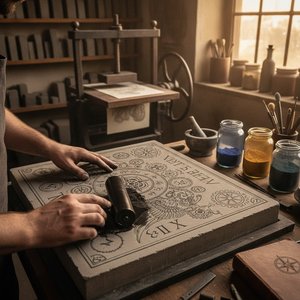
To truly appreciate the magic of a print, one must first understand the quiet, chemical miracle that occurs upon a slab of limestone. Unlike the aggressive carvings of woodcuts or the deep, physical incisions of etching, lithography is a planographic process—a term derived from the Greek lithos for stone and graphō to write. It does not rely on physical depth or the removal of material to create an image; rather, it exists upon a flat surface, much like the very paper it will eventually grace. There is something deeply poetic in this approach, as the artist is not fighting against the resistance of wood or metal, but is instead engaging in a subtle, surface-level dialogue with the stone itself.
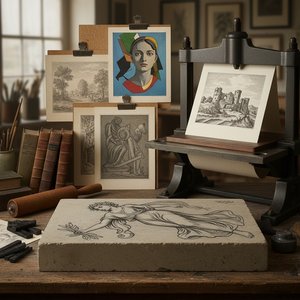
This method allows for a level of spontaneity and fluidity that is rarely found in other traditional printmaking techniques. Because the artist can draw directly onto the polished limestone using greasy materials, the resulting impressions often retain the raw, emotive energy of a sketch or a painting. For the collector, this means that a lithograph can capture the delicate nuances of a brushstroke or the softest smudge of a crayon, offering a window into the artist's immediate, unmediated thought process. It is an art form where the medium does not merely carry the image but participates in its very creation.
A Chemical Romance: The Eternal Tension Between Oil and Water
Lithography is a printing process that works on the principle that grease and water don't mix. The image is drawn on a stone or metal plate ...
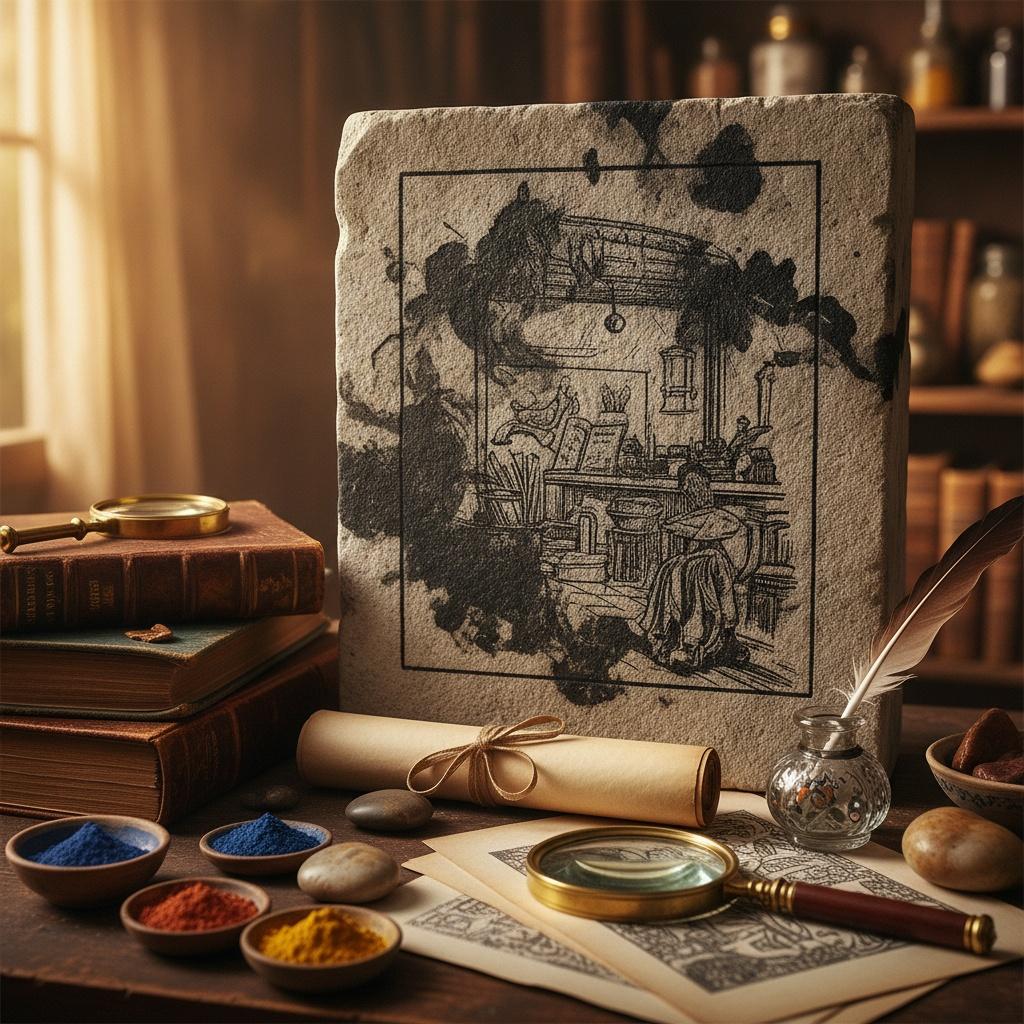
At the heart of this beautiful medium lies a fundamental, eternal tension: the natural refusal of oil and water to mix. This scientific principle, known as immiscibility, is the very soul of the lithographic process. The artist begins by applying a design to a prepared stone using an oil-based lithographic crayon or greasy ink, often referred to as tusche. As the artist works, they are establishing a map of grease upon the porous surface of the limestone.
Once the drawing is complete, a delicate chemical dance begins. Through the application of gum arabic and a mild acid solution, the stone is treated to fix the greasy image in place. This treatment ensures that the blank, untouched areas of the stone become hydrophilic—water-loving—while the drawn areas remain hydrophobic, or water-repelling. When the stone is later dampened with water, the moisture clings only to the blank spaces. When the oil-based ink is rolled across the surface, it is repelled by the damp areas and adheres only to the greasy traces of the artist's hand. It is a silent, invisible battle occurring on the surface of the stone, a chemical romance that dictates exactly where light and shadow will fall upon the paper.
Capturing the Impressionist Light: How Lithography Preserves the Master's Touch
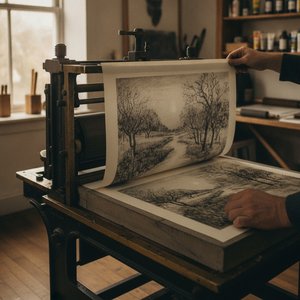 The Magic of Lithography: Capturing Light and Texture in Every Impressionist Print
The Alchemy of Stone: Understanding the Planographic Soul of Lithography Lithograph - The Metropolitan Museum of Art --- title: Lithograph - The Metropolitan Museum of Art url: https://www.metmuseum.org/perspectives/materials-and-techniques-printmaki...
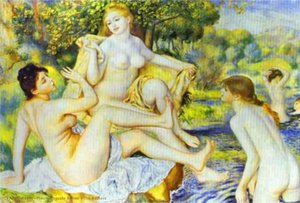
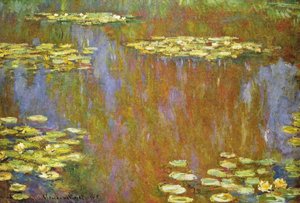
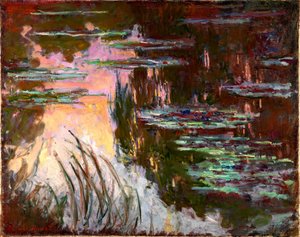
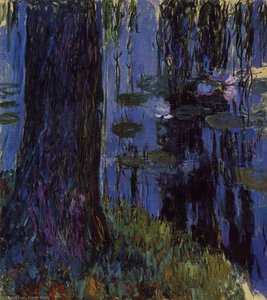
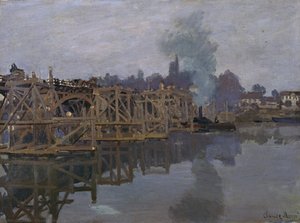
For those of us who have spent decades wandering through the luminous galleries of the Impressionists, lithography holds a special place in our hearts. It is the medium that most faithfully captures the ephemeral qualities of light and atmosphere that defined the era. When we look at the works of Monet, Renoir, or Degas, we are searching for that specific, shimmering glow—the way sunlight filters through willow trees or the soft, hazy warmth of a summer afternoon in Giverny. Lithography, with its ability to hold incredibly subtle gradations of tone, is uniquely equipped to preserve this essence.
Because the process allows for such fine detail and soft transitions, it can replicate the "broken color" and atmospheric perspective so vital to Impressionist aesthetics. A lithograph can capture the way a Renoir portrait seems to glow from within, or the rhythmic, dappled light in a Seurat composition, without the harshness of more structural print methods. For the discerning collector, owning an Impressionist-style print is not merely about possessing a reproduction; it is about capturing a moment of pure, unadulterated thought and light, frozen in time through the masterful application of ink and stone.
From Limestone to Legacy: The Evolution of Printmaking for the Discerning Collector
 The Enduring Legacy of Printmaking: Techniques, Themes & Artistic Innovation Across Centuries
The Genesis of Printmaking: From Ancient Origins to Early European Developments Wikipedia: Printmaking Printmaking is the process of creating artworks by printing, normally on paper, but also on fabric, wood, metal, and other surfaces. "Traditional p...
The history of printmaking is a tale of human ingenuity and the persistent desire to share beauty beyond the limitations of a single hand-painted surface. While the roots of printing stretch back to ancient woodblock techniques in China, the invention of lithography by Alois Senefelder in 1796 revolutionized the accessibility of fine art. Initially used for practical purposes like musical scores and maps, it quickly became a playground for the world's greatest artistic minds.
As technology progressed from the traditional stone slab to prepared metal plates like zinc or aluminum, the medium evolved, yet the core principle remained unchanged. This evolution allowed for greater versatility and the birth of modern techniques like offset lithography. For the contemporary collector, understanding this lineage is essential. We are not just looking at a piece of paper; we are looking at the culmination of centuries of technical refinement. Whether it is an antique stone lithograph or a modern, high-quality fine art print, each piece carries the weight of this historical progression, making it a profound addition to any curated collection.
Preserving the Impression: Caring for Your Lithographic Treasures
 Giclée Prints: Archival Quality & Aesthetic Nuances for the Discerning Collector
Introduction: The Rise of Giclée Printing in Fine Art Wikipedia: Giclée Giclée ( zhee-KLAY) describes digital prints intended as fine art and produced by inkjet printers. The term is a neologism, ultimately derived from the French word gicleur, coine...
Acquiring a fine art print is an investment in both beauty and history, and as such, it requires a commitment to preservation. To ensure that the vibrant pigments and delicate tones of your lithographs remain as luminous as the day they left the press, one must be mindful of the environment. The greatest enemies of fine art are direct sunlight and fluctuating humidity. Prolonged exposure to UV rays can cause the inks to fade, stripping the artwork of its emotional depth.
When framing your treasures, we always recommend using acid-free matting to create a necessary air gap between the print and the glass. This prevents moisture from becoming trapped, which could otherwise lead to foxing or mold. Furthermore, maintaining a stable temperature in your home will prevent the paper from expanding and contracting, protecting the structural integrity of the fibers. By treating these works with the reverence they deserve, you ensure that the magic of the stone and ink will continue to breathe life into your collection for generations to come.
For those seeking to explore more exquisite works or require expert guidance on expanding their personal galleries, please visit ArtsDot.com.