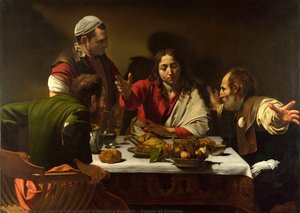
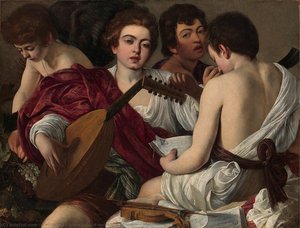
The Enigma of Cecco: Beyond the 'Follower' Label
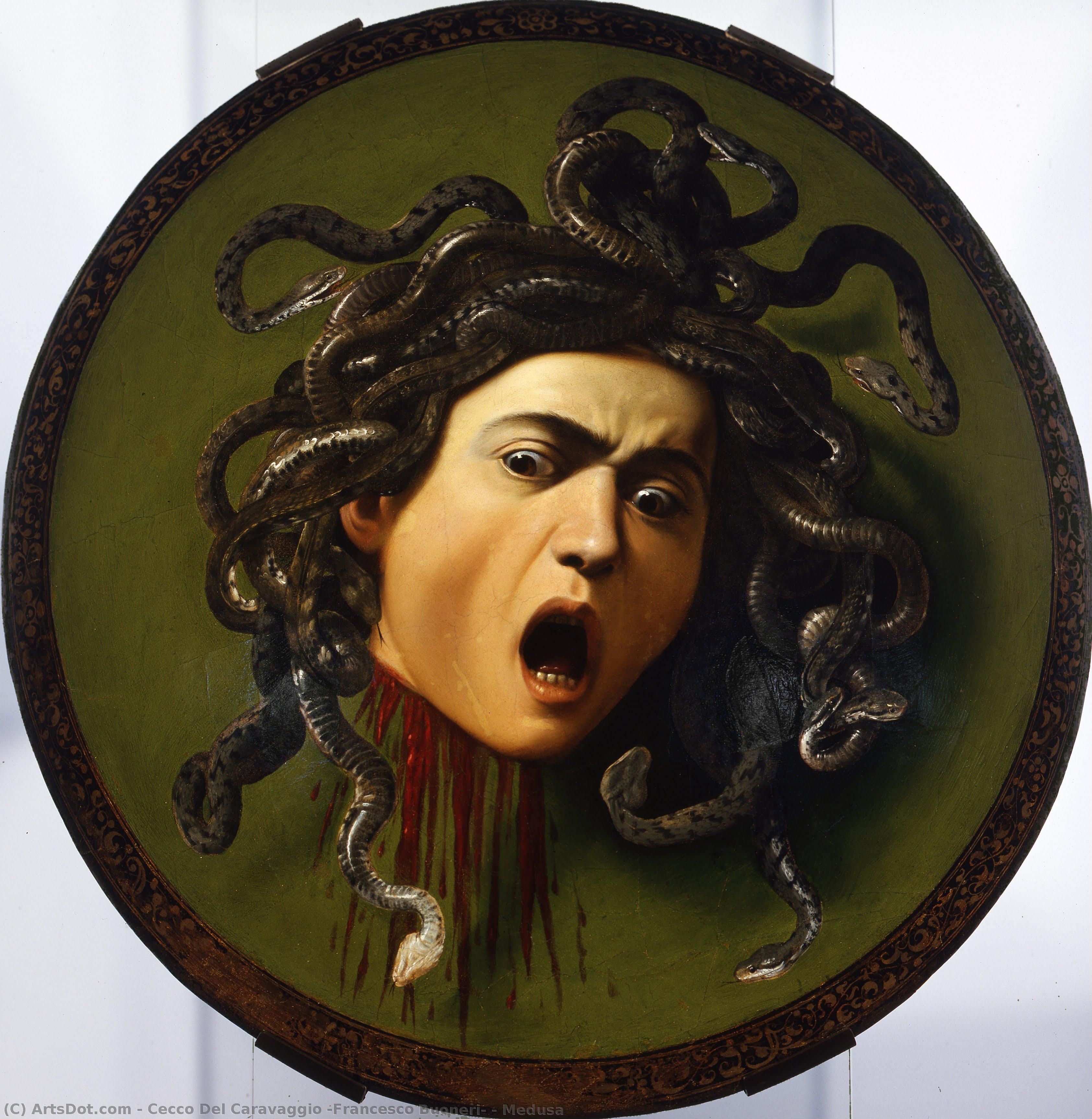 cecco del caravaggio (francesco buoneri)
Discover Cecco del Caravaggio (Francesco Buoneri), Italian painter known for dramatic realism & religious scenes like 'Tooth Puller' & 'John the Baptist'. Explore his impactful art.
For centuries, he existed as a footnote – “Cecco del Caravaggio,” a shadowy figure defined solely by his association with the master, Michelangelo Merisi da Caravaggio. The very name, *Cecco*, a diminutive suggesting familiarity and perhaps even intimacy, hints at a relationship far more complex than mere apprenticeship. But to dismiss Cecco as simply an imitator is to overlook a painter of remarkable originality, one who absorbed Caravaggio’s revolutionary naturalism and forged it into something distinctly his own. Recent scholarship has begun to peel back the layers of mystery surrounding Francesco Buoneri – for that is increasingly believed to be Cecco's true identity – revealing not just a skilled technician but an artist with a compelling vision and a turbulent life.
Caravaggio’s Workshop & Early Influences: Forging a Unique Style
 francesco maria bourbon del monte santa maria
Cardinal Francesco del Monte: Italian diplomat & art connoisseur. Known for early Caravaggio patronage & the influential del Monte collection, shaping Baroque art.
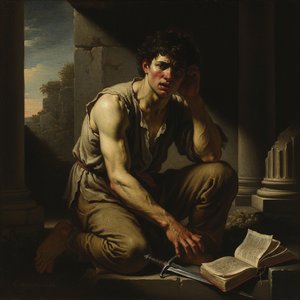
The Rome of the early 17th century was a crucible of artistic innovation, and Caravaggio stood at its fiery heart. His workshop wasn't merely a place for technical training; it was an environment that demanded radical observation, a rejection of idealized forms in favor of gritty realism. Young Francesco Buoneri likely entered this world as a boy, perhaps even serving as a model for some of Caravaggio’s earlier works – the *Sacrifice of Isaac* and the famously sensual *Amor Vincit Omnia* are often cited. This intimate connection undoubtedly shaped his artistic sensibilities. However, Cecco wasn't content to simply replicate his mentor’s style. While he embraced the dramatic chiaroscuro—the stark contrasts of light and shadow that defined Caravaggio’s aesthetic—he infused it with a heightened emotional intensity and a penchant for genre scenes depicting everyday life alongside religious narratives. The influence of other *Caravaggisti*, such as Bartolomeo Manfredi, is also discernible in his work, particularly in the dynamic compositions and robust physicality of his figures.
Francesco Boneri Revealed? Unraveling the Identity of Cecco del Caravaggio
For a long time, the artist’s origins remained frustratingly obscure. Was he Flemish, as some scholars suggested, drawn to Rome by the burgeoning art market? Or perhaps Spanish, reflecting the strong Iberian presence in the city? The breakthrough came with the research of Gianni Papi, who meticulously traced records pointing towards Francesco Boneri, a Lombard painter active in and around Rome during the relevant period. The evidence is compelling: contemporary accounts mentioning a “Francesco detto Cecco del Caravaggio” in Giulio Mancini’s *Considerazioni sulla Pittura*, connections between the Merisi and Boneri families, and even documented instances of a ‘Cecco’ working alongside Agostino Tassi in Bagnaia. While absolute certainty remains elusive – the scarcity of signed or dated works complicates matters immensely – the identification with Francesco Boneri has gained widespread acceptance, offering a crucial key to understanding Cecco's life and artistic development.
Dramatic Realism and Religious Intensity: Key Characteristics of His Oeuvre
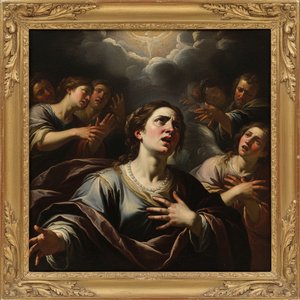
Cecco’s paintings are immediately recognizable for their visceral realism. He didn’t shy away from depicting the imperfections of humanity – weathered faces, calloused hands, even the grime of everyday life. This commitment to authenticity extended to his religious scenes, where saints and biblical figures were portrayed not as ethereal beings but as flesh-and-blood individuals grappling with profound spiritual struggles. The Resurrection, housed at the Art Institute of Chicago, exemplifies this approach. The raw emotion etched on the faces of those witnessing Christ’s return is profoundly moving, a far cry from the serene depictions common in earlier Renaissance art. Similarly, *Christ Driving the Money Changers from the Temple* (Gemäldegalerie, Berlin) explodes with dynamic energy and righteous fury. His genre scenes, such as *The Tooth Puller*, are equally striking, offering unflinching glimpses into the lives of ordinary people – often tinged with a sense of unease or even brutality.
Patronage, Scandal, and Artistic Legacy: The Life and Times of Cecco
Like Caravaggio himself, Cecco’s life appears to have been marked by controversy. Police records suggest involvement in violent altercations, hinting at a rebellious spirit and a willingness to challenge societal norms. His patrons were diverse, ranging from Tuscan ambassadors like Piero Guicciardini – who commissioned *The Resurrection* but ultimately rejected it – to influential collectors such as Cardinal Scipione Borghese. This suggests a degree of social mobility, yet also highlights the precariousness of his position within the Roman art world. The rejection of *The Resurrection*, for instance, speaks to the evolving tastes of the time and the challenges faced by artists who dared to deviate from established conventions. Giulio Mancini’s description of him as a “notable follower” hints at recognition but also underscores his subordinate status.
Rediscovering Cecco Today: New Perspectives on a Baroque Master
For too long, Cecco del Caravaggio has been relegated to the margins of art history. However, recent exhibitions and scholarly research are finally bringing his work into the spotlight, revealing an artist of exceptional talent and originality. The Fondazione Accademia Carrara’s groundbreaking show in Bergamo – featuring a remarkable collection of his paintings – is testament to this renewed interest. By examining his life, influences, and artistic techniques, we can begin to appreciate Cecco not merely as a follower of Caravaggio but as a master in his own right—a painter who captured the drama, intensity, and complexity of the Baroque era with unparalleled skill. Explore the world of Cecco del Caravaggio at ArtsDot.com where museum-quality reproductions bring these masterpieces to life.