
The Psychology of Restaurant Design: Beyond Aesthetics
Environmental psychology is a branch of psychology that explores the relationship between humans and the external world. It examines the way in which the natural environment and our built environments shape us as individuals. Environmental psychology...
For centuries, the spaces where we gather to nourish ourselves have been more than mere functional necessities; they are reflections of culture, status, and a deeply ingrained human desire for connection. While culinary excellence remains paramount, the subtle power of restaurant design—the orchestration of light, color, texture, and spatial arrangement—profoundly influences our perception of taste, mood, and overall experience. To truly understand successful restaurant environments is to delve into the realm of environmental psychology, recognizing that we don’t simply *eat* in a space; we respond to it on a visceral level, shaped by millennia of evolved instincts and learned associations.
Historically, grand dining halls were designed to impress—high ceilings, ornate detailing, and lavish materials signaling wealth and power. These spaces weren't just about sustenance; they were statements. As societies evolved, so too did our expectations. The rise of the bistro, the café, and the modern eatery reflected a shift towards intimacy, comfort, and personalized experiences. Today’s discerning diner seeks not only exceptional cuisine but also an atmosphere that resonates with their values and desires—a space that feels authentic, inviting, and thoughtfully curated. Ignoring this fundamental human need is to miss a critical opportunity to elevate the entire dining experience.
The most effective restaurant designs transcend fleeting trends, instead focusing on creating enduring emotional connections. This requires a deep understanding of how our brains process sensory information—how lighting affects our perception of color and texture, how acoustics influence conversation and relaxation, and how spatial layout impacts feelings of comfort and privacy. It’s about crafting an environment that anticipates needs, subtly guides behavior, and ultimately leaves a lasting positive impression.
Color & Lighting Strategies for Appetite and Mood
The interplay between color and lighting is arguably the most potent tool in a restaurant designer's arsenal. Color psychology reveals fascinating insights into how different hues impact our emotions and even physiological responses. Warm colors—reds, oranges, and yellows—are known to stimulate appetite and energy levels, making them popular choices for fast-casual establishments where quick turnover is desired. However, the application must be nuanced; an overabundance of red can feel aggressive or overwhelming. A more sophisticated approach involves using warm tones as accents, drawing attention to key features like menus or food displays.
Cool colors—blues and greens—evoke feelings of relaxation and tranquility, ideal for fine dining restaurants or establishments focused on health-conscious cuisine. These hues create a sense of calm and sophistication, encouraging diners to linger and savor their meals. Neutral tones—beiges, grays, and soft whites—provide a versatile backdrop, allowing the food and décor to take center stage. The key is balance; too much neutrality can feel sterile or uninviting.
Lighting, however, is where true magic happens. Dim lighting creates intimacy and romance, while brighter lighting promotes alertness and energy. Layered lighting—combining ambient, task, and accent lighting—allows for greater control over the atmosphere. Adjustable pendant lights above tables not only provide functionality but also add a touch of elegance. The color temperature of the light is equally important; warmer tones (2700K-3000K) create a cozy ambiance, while cooler tones are better suited for modern or minimalist spaces.
Spatial Layout & Seating Arrangements: Optimizing Comfort & Flow
A restaurant’s spatial layout significantly impacts customer satisfaction and operational efficiency. A well-thought-out floor plan balances comfort with functionality, creating a space that feels both open and intimate. Zoning is crucial—designating distinct areas for different dining experiences. Casual seating near the entrance encourages quick bites or drinks, while comfortable booths and larger tables cater to families or groups. Intimate corners provide privacy for couples or those seeking a more secluded experience.
The arrangement of tables also plays a critical role. Tables that are too close together can make diners feel cramped and uncomfortable, while excessive spacing can create a lack of intimacy. Striking the right balance is key—allowing enough space for comfortable movement without sacrificing the sense of connection. Consider incorporating different seating types to cater to diverse preferences; high-top tables encourage socializing, while banquette seating provides a more relaxed and luxurious experience.
Beyond comfort, layout must also facilitate efficient service. Clear pathways allow servers to navigate easily between the kitchen and tables, minimizing wait times and maximizing efficiency. Strategic placement of host stands and restrooms can also improve flow and reduce congestion. A well-designed space anticipates needs, subtly guiding customers through a seamless dining experience.
Acoustics, Texture & Scent: Engaging the Senses
Often overlooked, acoustics are profoundly influential in shaping the restaurant atmosphere. Poor acoustics can create a chaotic and stressful environment, while well-managed soundscapes enhance relaxation and conversation. Soft furnishings—upholstered seating, carpets, and curtains—absorb noise, creating a quieter ambiance. Acoustic panels strategically placed on walls or ceilings further reduce echoes and improve sound quality.
Texture adds another layer of sensory richness to the dining experience. The tactile qualities of materials—the smoothness of wood, the softness of linen, the coolness of stone—subtly influence our perception of comfort and luxury. Incorporating a variety of textures creates visual interest and depth, adding to the overall ambiance. Similarly, scent plays a powerful role in evoking memories and emotions. The aroma of freshly baked bread or herbs can stimulate appetite and create a welcoming atmosphere.
However, scent must be carefully managed; overpowering fragrances can be off-putting. Subtle, natural scents are always preferable—avoiding artificial aromas that feel contrived. Background music is equally important; the choice of genre should align with the restaurant’s theme and target audience. Soft jazz creates a sophisticated ambiance, while upbeat tunes are better suited for casual eateries.
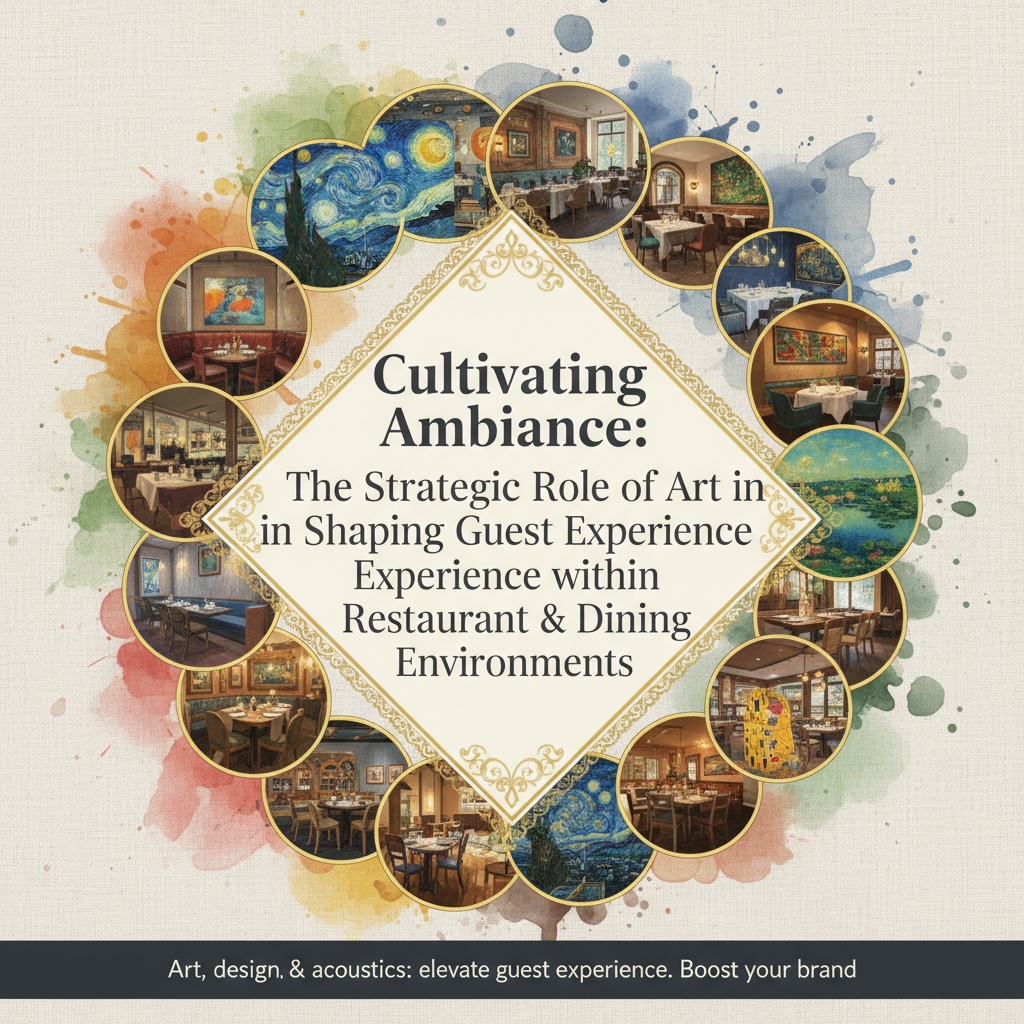
Art as a Brand Storyteller: Reflecting Identity & Creating Connection
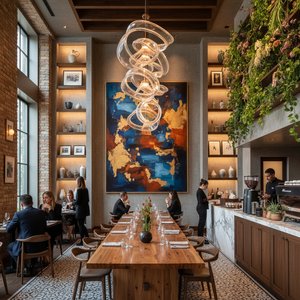
Artwork isn't merely decorative; it’s a powerful tool for communicating brand identity and creating emotional connections with diners. The style, subject matter, and even the framing of artwork can subtly reinforce the restaurant’s theme and values. A rustic farmhouse eatery might feature landscapes or still lifes evoking a sense of tradition and authenticity, while a modern fusion restaurant could showcase abstract pieces reflecting innovation and creativity.
Commissioning original artwork allows for complete customization, ensuring that each piece perfectly aligns with the restaurant’s vision. Working directly with artists provides an opportunity to create unique statements that set the establishment apart. Consider incorporating local artists to support the community and add a sense of place. The art should not simply complement the décor; it should enhance the overall narrative, inviting diners to engage with the space on a deeper level.
The selection of artwork is an investment, reflecting a commitment to quality and attention to detail. It’s about creating a cohesive visual experience that resonates with customers long after they’ve left the restaurant. Thoughtfully chosen art can elevate the entire dining experience, transforming it from a mere meal into a memorable occasion.
Commissioning Art for Your Restaurant: A Comprehensive Guide
 From Concept to Canvas: A Comprehensive Guide to Commissioning Large-Scale Murals for Hotel Design
Elevate your hotel's design with stunning large-scale murals! Our expert guide covers commissioning art, artist selection, & installation. Discover ’s bespoke solutions for impactful, lasting impressions.
Embarking on an art commissioning project requires careful planning and execution. Begin by defining your vision—identifying the style, subject matter, and overall mood you wish to convey. Research potential artists whose work aligns with your aesthetic preferences and brand identity. Online platforms like ArtsDot.com offer a vast selection of talented artists and reproductions, providing inspiration and facilitating communication.
Once you’ve identified a suitable artist, discuss your project in detail—providing clear briefs outlining dimensions, materials, and desired color palettes. Request sketches or mockups to ensure that the artwork aligns with your expectations before final production. Establish a timeline and budget, ensuring transparency throughout the process. Consider factors like framing and installation, adding these costs to your overall budget.
Finally, remember that commissioning art is a collaborative process—open communication and mutual respect are essential. By working closely with an artist, you can create unique statements that set your restaurant apart, enhancing the dining experience and leaving a lasting positive impression on your guests. ArtsDot.com provides expert consultation services to guide you through every step of the commissioning process, ensuring a seamless and successful outcome.