




The Artful Home: Cultivating Wellbeing Through Reproduction
 Timeless Masterpieces: 10 Classic Artworks for Elegant Homes |
Explore 10 timeless masterpieces – from Van Gogh to Rembrandt – that define classic art & evoke enduring moods. Discover art history, techniques & find museum-quality reproductions for your home at . Explore the full collection online!
The home, at its most profound, is not merely a shelter from the elements but a carefully constructed reflection of the self—a sanctuary woven with memories, aspirations, and a deeply personal aesthetic sensibility. In recent years, discerning homeowners have begun to recognize the transformative power of art, moving beyond purely decorative considerations to embrace the emotional and psychological benefits that thoughtfully chosen pieces can bestow upon their living spaces. This isn’t simply about filling walls; it's about cultivating an atmosphere—a resonant environment that nurtures wellbeing, stimulates contemplation, and speaks volumes about those who dwell within. The accessibility offered by high-quality reproductions allows a broader audience to engage with masterpieces previously confined to museum halls, democratizing beauty and fostering a deeper connection with artistic heritage.
Rembrandt's Light: Bringing Dutch Masters into Your Domestic Space
 Bathsheba at Her Bath
Explore Rembrandt’s ‘Bathsheba at Her Bath’! A masterpiece of light & shadow, capturing intimacy & biblical drama. Admire this iconic Baroque painting – reproductions available.
Few artists have plumbed the depths of human emotion with such unwavering intensity as Rembrandt van Rijn. A titan of the Dutch Golden Age, his legacy extends far beyond technical brilliance; it resides in an unparalleled ability to capture the subtle nuances of inner life through masterful manipulation of light and shadow—a technique known as chiaroscuro. To introduce a reproduction of a Rembrandt into one’s home is not merely to acquire a beautiful image but to invite a profound psychological presence. Consider ‘Bathsheba at Her Bath’ (1639), a painting that transcends its biblical subject matter to become a poignant exploration of vulnerability, self-awareness, and the weight of consequence. The soft, diffused light caressing Bathsheba's form creates an intimate atmosphere, drawing the viewer into her private world. Similarly, ‘The Family Group’ (c. 1640-1642) evokes a sense of familial warmth and connection, its muted tones and gentle expressions fostering a feeling of quiet intimacy. Even his drawings, like ‘Saskia with a Child’ (c. 1637), possess an extraordinary emotional weight despite their monochrome palette, revealing the artist's profound sensitivity to human relationships. The dramatic interplay of light and dark inherent in Rembrandt’s work can profoundly influence the ambiance of a room, creating depth, intimacy, and a sense of timeless elegance.
Biedermeier Interiors: A Legacy of Comfort and Intimacy
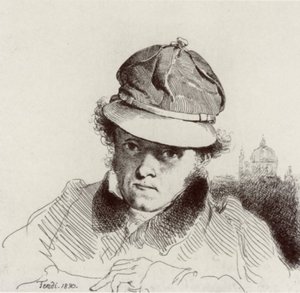 Peter Fendi
Peter Fendi (1796-1842) was a leading Austrian Biedermeier painter known for genre scenes, portraits & pioneering lithography. Influenced by Dutch Masters like Rembrandt, his works offer glimpses into 19th-century life. Explore his art!
While often overshadowed by more flamboyant artistic movements, the 19th-century Biedermeier aesthetic offers a compelling vision of domestic harmony. Flourishing primarily in Austria, this style prioritized simplicity, comfort, and a celebration of everyday life. Artists like Peter Fendi captured the essence of this ethos with meticulous detail and a focus on intimate scenes—quiet moments of family gathering, cozy interiors bathed in soft light, and a general sense of understated elegance. Reproductions of Fendi’s work can infuse homes with a similar feeling of warmth and tranquility, offering a respite from the complexities of modern life. The emphasis on detail characteristic of Biedermeier art lends itself well to creating layered, inviting aesthetics; pairing reproductions of these interiors with antique furniture, textiles, and personal mementos can enhance the sense of historical authenticity and create a space that feels both comfortable and refined.
Aura & Accessibility: Reconsidering the Value of Art in the Modern Age
 Wikipedia: The Work of Art in the Age of Mechanical Reproduction
"The Work of Art in the Age of Mechanical Reproduction" (German: Das Kunstwerk im Zeitalter seiner technischen Reproduzierbarkeit) (1935), by Walter Benjamin, is an essay of cultural criticism which proposes and explains that mechanical reproduction ...
Walter Benjamin’s seminal essay, ‘The Work of Art in the Age of Mechanical Reproduction,’ continues to provoke debate among art historians and critics. His central argument—that mechanical reproduction diminishes the “aura” – the unique presence and historical context – of a work of art—raises critical questions about authenticity and artistic value. However, Benjamin also acknowledged the potential for reproduction to democratize access to art, breaking down barriers between high culture and everyday life. In the context of home décor, this debate is particularly relevant. While reproductions may lack the physical presence of originals, they offer an invaluable opportunity to engage with masterpieces on a personal level, fostering contemplation, inspiration, and a deeper appreciation for artistic heritage. The act of choosing and displaying reproductions can be seen as a creative act in itself—a way of shaping one’s own aesthetic environment and expressing individual values. It is not simply about imitation but about recontextualization, interpretation, and the creation of meaningful connections.
Curating Your Personal Gallery: Creating Cohesive Displays
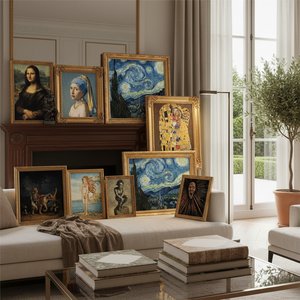
The selection of artwork should be approached with intention—a deliberate effort to craft a visual narrative that reflects personal style and enhances the overall aesthetic harmony of living spaces. Begin by identifying a unifying theme or color palette; this could be based on artistic period, subject matter, or simply a shared emotional tone. Consider the interplay between different pieces—how they complement each other in terms of composition, texture, and style. Varying scale and framing can also add visual interest and create a dynamic sense of depth. Don’t be afraid to experiment with unconventional arrangements; sometimes, unexpected juxtapositions can yield striking results. Crucially, consider the lighting—proper illumination is essential for showcasing artworks effectively, highlighting their textures and colors. A home gallery should not be static but evolve over time, reflecting personal growth, changing tastes, and new discoveries.
Beyond Aesthetics: The Emotional Resonance of Art Reproduction
Ultimately, art transcends mere visual appeal; it possesses the power to evoke memories, stimulate conversation, and foster a sense of connection. Choosing artworks that resonate with personal experiences or cultural values can add depth and meaning to your living spaces. A reproduction of a beloved childhood painting might evoke feelings of nostalgia and comfort, while a piece inspired by a cherished travel destination could serve as a constant reminder of happy memories. Art can also be a catalyst for intellectual exchange—a striking abstract work might spark debate and contemplation, while a portrait of a historical figure could inspire further research and learning. The most impactful artworks are those that tell a story—those that reflect your unique personality, values, and aspirations. At ArtsDot, we believe in making the transformative power of art accessible to all, offering museum-quality reproductions and expert consultation to help you cultivate an atmosphere that truly reflects your inner world.