
Introduction: The Enduring Power of Family in Art
The human impulse to depict family—to capture the bonds, the dynamics, the very essence of those closest to us—is as old as art itself. From prehistoric cave paintings hinting at tribal structures to the grand portraits commissioned by royalty, kinship has served as a potent subject for artists across cultures and millennia. But beyond mere representation, these artworks offer profound insights into societal values, evolving notions of domesticity, and the universal desire to preserve memory and legacy. The stories embedded within family portraits, genre scenes, and even abstract explorations of connection reveal much about the worlds from which they emerged—and continue to resonate with us today.
Dutch Golden Age Genre Painting & Domestic Life: A Window into Intimate Worlds
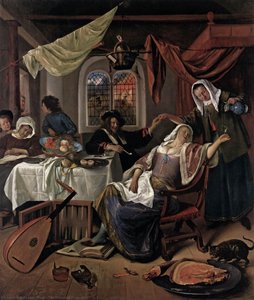 The Dissolute Household
Delve into the vibrant world of Dutch Golden Age art with Jan Steen's 'The Dissolute Household'! Explore this iconic genre painting depicting a lively family scene brimming with humor and moral reflection.
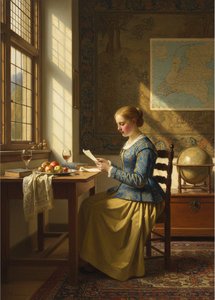
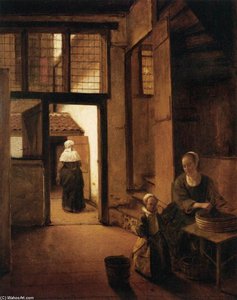
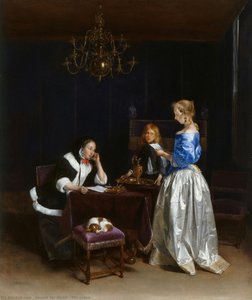
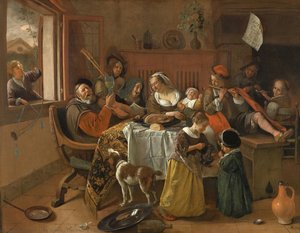
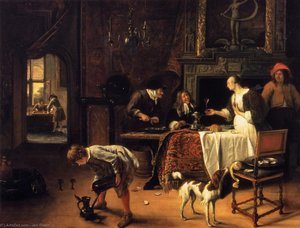
The 17th-century Netherlands witnessed an unprecedented flourishing of genre painting, a style dedicated to portraying scenes of everyday life. Artists like Jan Steen, with his lively and often humorous depictions—such as “The Dissolute Household”—didn’t simply record daily activities; they offered moral reflections disguised within seemingly chaotic domestic interiors. These weren't idealized visions but rather glimpses into the complexities of family relationships, complete with squabbles, indulgence, and a healthy dose of realism. Steen’s work, for example, invites us to consider the consequences of unchecked behavior, subtly critiquing societal norms through relatable scenes. Gerard ter Borch’s “A Woman Spinning”, in contrast, presents a serene and intimate moment, showcasing masterful technique and an appreciation for quiet domesticity. The meticulous detail—the play of light on fabric, the focused expression of the woman—elevates this everyday task to something worthy of artistic attention. These paintings weren’t about grand narratives or historical events; they were about the subtle dramas unfolding within the walls of a home, accessible and relatable to a burgeoning middle class.
The Private Sphere and the Rise of Familial Portraiture in 17th-Century Europe
The private sphere is the complement or opposite to the public sphere. The private sphere is a certain sector of societal life in which an individual enjoys a degree of authority and tradition, unhampered by interventions from governmental, economic ...
Concurrent with the rise of genre painting was an increasing interest in the private sphere. As economic life shifted away from solely communal structures, the home became a more defined space—a sanctuary for individual expression and familial bonds. This shift is reflected in the growing demand for portraits, not just of heads of households but also of their wives and children. Previously reserved for nobility, portraiture began to democratize, allowing merchants and professionals to commission images that affirmed their status and celebrated their families. These weren’t simply likenesses; they were statements about values—piety, education, prosperity—and carefully constructed representations of the ideal family unit. The act of commissioning a portrait itself became a ritual, signifying social aspiration and a desire for lasting remembrance. The interiors depicted in these portraits often served as symbolic extensions of the family’s identity, filled with objects that conveyed wealth, taste, and moral character.
Ephemeral Visions: Exploring Transience and Memory within Family Representations
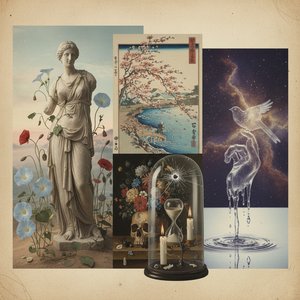 Ephemeral Visions: Exploring Transience through Art History
Explore the captivating theme of transience in art history with ArtsDot. Discover vanitas paintings, abstract masterpieces & more. Expert insights for collectors and enthusiasts.
Underlying many depictions of family life is a poignant awareness of transience. The fleeting nature of time, the inevitability of loss—these themes often lurk beneath the surface of seemingly idyllic scenes. Vanitas paintings, though not exclusively focused on family, serve as a powerful reminder of mortality and the impermanence of earthly possessions. However, this awareness doesn’t necessarily equate to despair; it can also heighten our appreciation for the present moment and the importance of cherishing loved ones. Artists often employed symbolic objects—wilted flowers, extinguished candles, skulls—to subtly allude to these themes. Even in more straightforward portraits, the gaze of the sitter, the arrangement of hands, or the inclusion of specific heirlooms can evoke a sense of nostalgia and longing. The act of painting itself becomes an attempt to capture something fleeting, to preserve a memory against the ravages of time. As explored in ArtsDot’s article on “Ephemeral Visions”, this preoccupation with transience is a recurring motif throughout art history, manifesting in diverse styles and techniques.
Beyond Bloodlines: Chosen Families and Contemporary Artistic Expressions
Today, artists are increasingly challenging traditional notions of family, exploring the bonds that extend beyond bloodlines to encompass chosen families—networks of friends, mentors, and communities who provide support, love, and belonging. Contemporary works often address issues of identity, displacement, and social justice, highlighting the importance of finding kinship in unexpected places. Artists like Ruth Leonela Buentello, featured in recent exhibitions, use vibrant portraiture to celebrate the complexities of human relationships, emphasizing different perspectives on intimate interactions. LaToya Ruby Frazier’s powerful series “Flint is Family”, for instance, documents the struggles and resilience of a community facing environmental crisis, demonstrating how shared experiences can forge unbreakable bonds. These works remind us that family isn't solely defined by genetics but rather by mutual respect, empathy, and a commitment to one another. The National Portrait Gallery’s Kinship exhibit exemplifies this shift, showcasing artists who explore the various ways we become kin.
Conclusion: The Evolving Depiction of Kinship – A Reflection of Societal Values
From the intimate genre scenes of the Dutch Golden Age to the contemporary explorations of chosen families, art continues to reflect our evolving understanding of kinship. These depictions aren’t merely aesthetic exercises; they are powerful statements about societal values, personal identity, and the enduring human need for connection. Whether celebrating domestic harmony or confronting social injustice, artists offer us a window into the complexities of family life—a reminder that these bonds, in all their messy glory, shape who we are and how we navigate the world. At ArtsDot, we believe in making these masterpieces accessible to everyone, allowing you to connect with the stories and emotions embedded within each brushstroke. Explore our extensive collection of family portraits and genre paintings today—and discover the power of kinship for yourself.