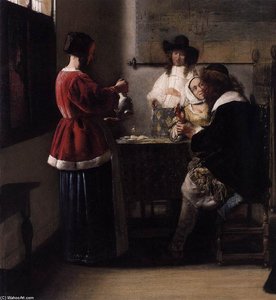
The Rise of Genre Painting: A Shift in Artistic Focus
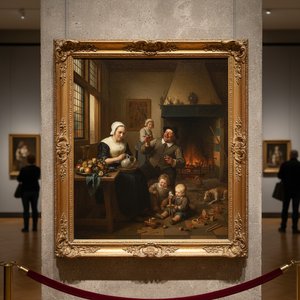 Genre Painting: A Window into Daily Life & Societal Values of the Dutch Golden Age
Explore the captivating world of Dutch Golden Age genre painting! Discover realistic depictions of daily life, masterful artists like Ostade & Metsu, and hidden symbolism. Learn about this influential art movement with ArtsDot.
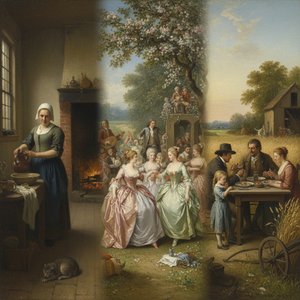
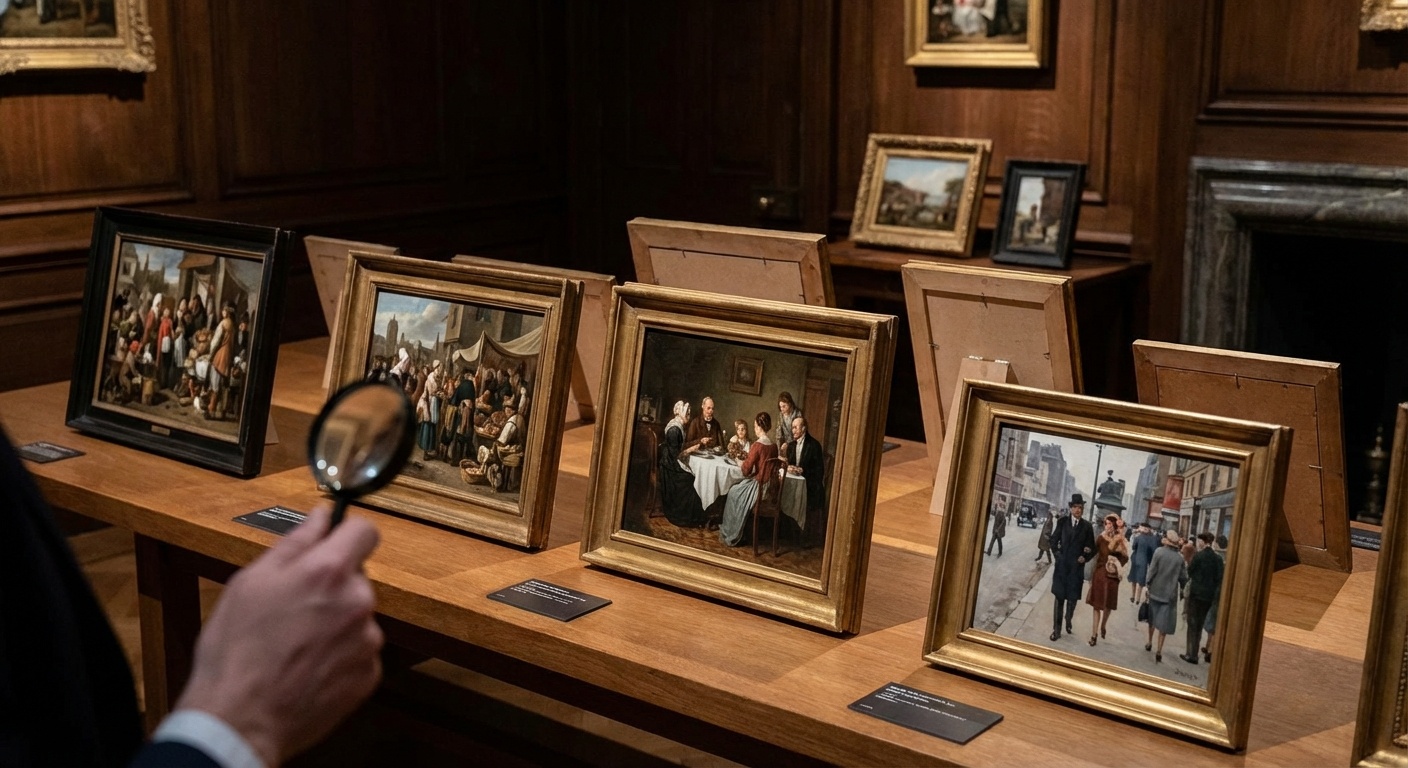
For centuries, art largely concerned itself with the grand narratives of history, mythology, and religion. Portraits immortalized power and status, landscapes celebrated divine creation, and allegorical scenes conveyed complex philosophical ideas. Then, a subtle but profound shift began to occur – artists turned their gaze inward, towards the everyday lives of ordinary people. This wasn’t merely a change in subject matter; it was a fundamental re-evaluation of what constituted worthy artistic representation. The emergence of genre painting, depicting scenes of daily life, signaled a democratization of art, bringing focus to the intimate moments and quiet dramas unfolding within homes, taverns, and bustling marketplaces. While precursors existed – glimpses of everyday activity within larger compositions – it was in the 17th century, particularly in the Netherlands, that genre painting truly flourished, becoming not just a popular style but a defining characteristic of an era.
Dutch Masters & the Golden Age of Everyday Life
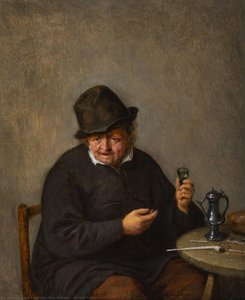 An Old Toper
Admire Adriaen van Ostade’s ‘An Old Toper,’ a poignant 1665 oil painting of an elderly man. Explore its realistic style, Dutch Golden Age details & evocative mood – a captivating portrait.
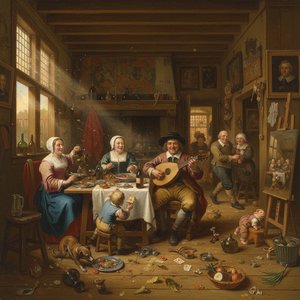
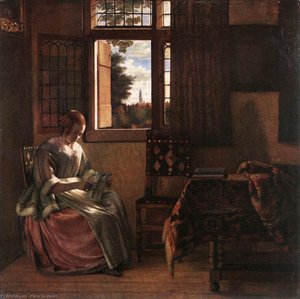
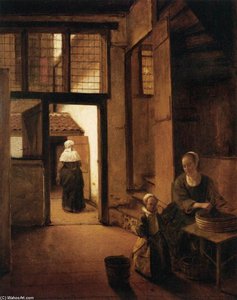
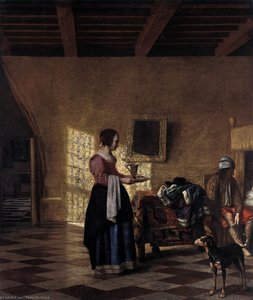
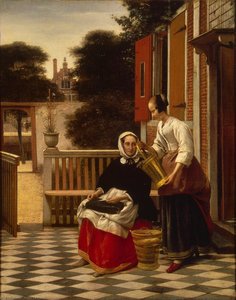
The Dutch Golden Age (roughly 1588-1672) provided fertile ground for this artistic revolution. A burgeoning merchant class, unprecedented economic prosperity, and a spirit of pragmatic realism fueled a demand for art that reflected their own lives and values. Artists like Adriaen van Ostade, Hendrick van der Burch, and Pieter de Hooch responded with remarkable sensitivity and skill. Van Ostade, for example, didn’t shy away from depicting the hardships of peasant life – his ‘An Old Toper’ (1665) offers a poignant glimpse into the realities of poverty and indulgence, rendered with unflinching honesty yet imbued with a surprising degree of empathy. Hendrick van der Burch, known for his monogram 'hvb', specialized in intimate domestic scenes, capturing the quiet moments of family life with meticulous detail. Pieter de Hooch, meanwhile, masterfully illuminated Dutch interiors, playing with light and perspective to create an atmosphere of warmth and tranquility. These weren’t simply records of daily routines; they were carefully constructed narratives, often imbued with subtle moral lessons or social observations.
Symbolism Hidden in Plain Sight: Decoding Genre Scenes
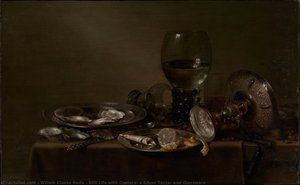 Still Life with Oysters, a Silver Tazza, and Glassware
Explore Willem Claesz Heda’s ‘Still Life with Oysters.’ A dramatic Dutch Golden Age masterpiece showcasing opulent detail & reflective surfaces. Discover its symbolism & exquisite realism.
To view these paintings as straightforward depictions of reality would be a mistake. Dutch genre painting is replete with symbolism, layered meanings hidden beneath the surface of seemingly mundane activities. A half-peeled lemon might represent transience or bitterness; an overturned glass could signify folly or excess; specific objects placed within a composition often carried allegorical weight. Willem Claesz Heda’s ‘Still Life with Oysters,’ for instance, is far more than just a beautiful arrangement of food and glassware. The oysters themselves were considered delicacies, symbols of wealth and luxury, while the silver tazza and delicate glass reflect the opulence of Dutch society. Even the fleeting nature of the oyster's freshness hints at the ephemeral quality of earthly pleasures. Artists frequently employed these visual cues to comment on themes of morality, temperance, and the dangers of materialism. Understanding this symbolic language unlocks a deeper appreciation for the artistry and intellectual depth of genre painting.
Beyond Holland: Genre Painting Across Europe
While the Netherlands undoubtedly spearheaded the genre painting movement, its influence extended far beyond its borders. In Flanders, artists like Abel Grimmer created stunning depictions of rural life in ‘Autumn’ (1607), showcasing a similar attention to detail and atmospheric richness. Across France and Italy, artists began incorporating elements of everyday life into their work, though often with a different emphasis – more focused on aristocratic leisure or romanticized peasant scenes. The Italian *pittura di genere* tradition, while predating the Dutch Golden Age, saw a revival in popularity as artists sought to capture the vibrancy and authenticity of street life. However, it was the Dutch approach—the unflinching realism, the subtle social commentary, and the masterful use of light and shadow—that proved most influential, inspiring generations of artists across Europe.
Genre Painting and Social Commentary: Reflecting Society's Norms
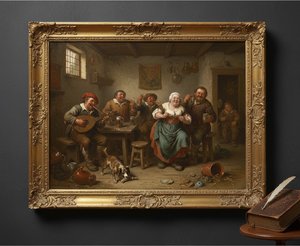 Adriaen van Ostade: A Master of Dutch Genre Painting & Social Commentary
Explore the life & work of Adriaen van Ostade, a leading Dutch Golden Age painter. Discover his realistic genre scenes, social commentary, and lasting influence on art history. Learn more at ArtsDot.
The popularity of genre painting wasn’t simply a matter of aesthetic preference; it reflected a broader societal shift towards introspection and self-awareness. Artists weren’t merely documenting daily life, they were often subtly critiquing it. Cornelis Saftleven, for example, captured the rustic interiors and animal studies with an eye for both humor and social observation. Paintings frequently served as moralizing tales, warning against the dangers of drunkenness, extravagance, or idleness. The seemingly innocent depiction of a family gathering could be a veiled commentary on marital discord or parental failings. This ability to engage with complex social issues through subtle visual storytelling made genre painting particularly appealing to a burgeoning middle class eager to define its own values and identity. It offered a mirror reflecting their aspirations, anxieties, and the complexities of modern life.
The Enduring Legacy of Genre Painting in Modern Art
Though the height of genre painting’s popularity waned with changing artistic tastes, its influence continues to resonate today. The emphasis on realism, the exploration of everyday life, and the subtle use of symbolism paved the way for later movements like Impressionism and Realism. Artists such as Édouard Manet and Gustave Courbet drew inspiration from the Dutch Masters’ commitment to depicting the world around them with unflinching honesty. The concept of “slice of life” – capturing fleeting moments and intimate details – remains a powerful narrative technique in contemporary art, literature, and film. From Vermeer's quiet interiors to Ostade's poignant portraits, genre painting offers a timeless window into the human condition, reminding us that even within the most ordinary scenes lies profound beauty, complexity, and enduring meaning. Explore these masterpieces and discover your own connection to this captivating artistic tradition at ArtsDot.com, where museum-quality reproductions bring history’s greatest artworks directly into your home.