The Centennial Exposition: A Nation’s Showcase
 Wikipedia: Centennial Exposition
The Centennial International Exhibition, officially the International Exhibition of Arts, Manufactures, and Products of the Soil and Mine, was held in Philadelphia, Pennsylvania, from May 10 to November 10, 1876. It was the first official world's fai...
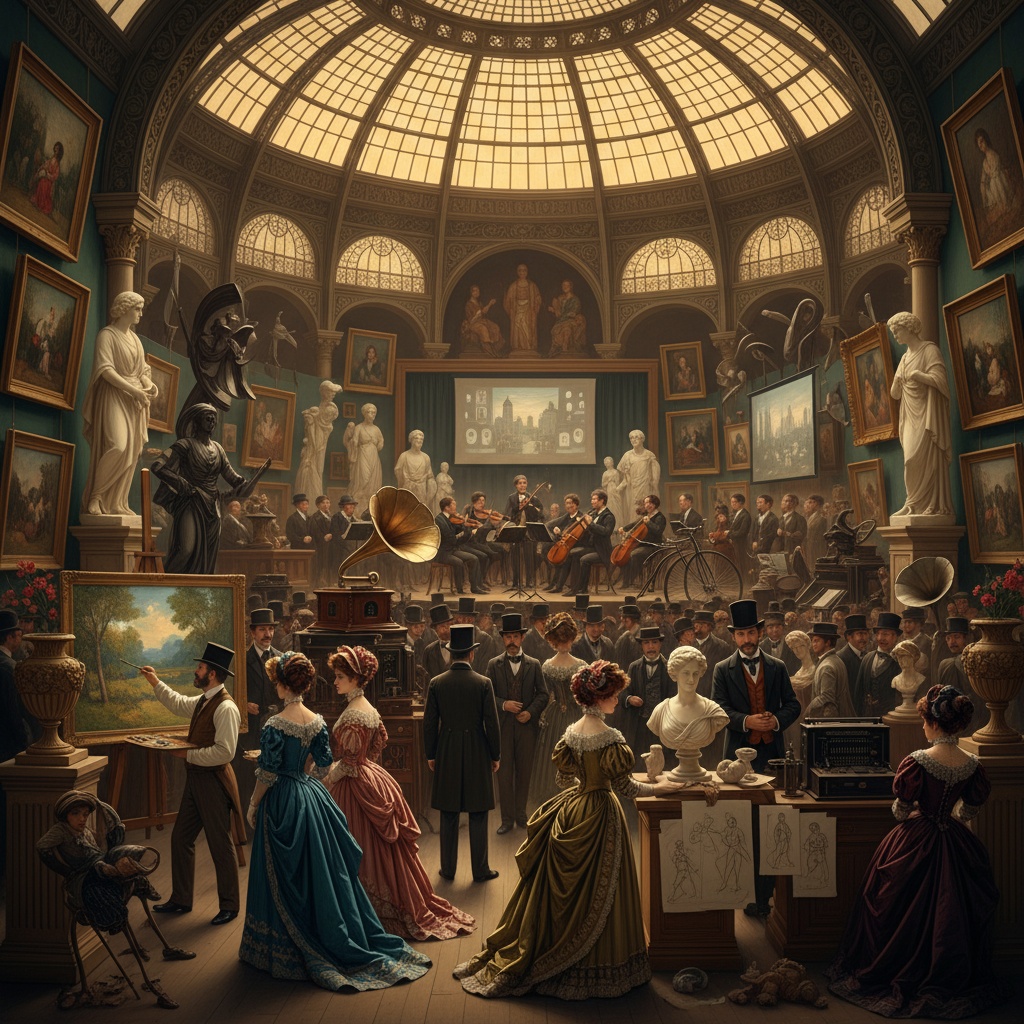
The year 1876 resonated with a particular fervor in the United States, marking not merely the hundredth anniversary of the Declaration of Independence but also a moment of profound national self-assessment. The International Exhibition of Arts, Manufactures, and Products of the Soil and Mine – better known as the Centennial Exposition held in Philadelphia – was conceived as a grand spectacle to demonstrate America’s burgeoning industrial prowess and cultural achievements. Nearly ten million visitors flocked to Fairmount Park, encountering a dazzling array of innovations and artistic expressions from across the globe. However, beyond the Ferris wheel and technological marvels, the Exposition served as a crucial incubator for evolving artistic sensibilities, particularly in its embrace of Realism and the nascent stirrings of American Impressionism. The very ambition of the event – to present a complete picture of a nation striving towards modernity – created fertile ground for artists seeking to capture the authentic spirit of their time.
The Exposition wasn’t simply a display of finished products; it was a reflection of societal shifts, anxieties, and aspirations. The Great Central Fair of 1864 had laid some groundwork, but the Centennial aimed higher, attempting to forge a national identity through art and industry. While patriotic fervor dominated, subtle undercurrents revealed a growing interest in depicting everyday life, moving away from idealized historical narratives towards more honest portrayals of contemporary existence. This shift would prove pivotal for artists seeking to break with established conventions and embrace a new aesthetic focused on the tangible world around them.
Realism's Rise & the Depiction of Everyday Life
Realism was an artistic movement that emerged in France in the 1840s. Realists rejected Romanticism, which had dominated French literature and art since the early 19th century. The artist Gustave Courbet, the original proponent of Realism, sought to ...
Emerging as a powerful force in France during the 1840s, Realism represented a deliberate rejection of Romanticism’s emotional extravagance and historical grandiosity. Artists like Gustave Courbet championed the depiction of “real” life – often unvarnished and even unpleasant aspects previously deemed unworthy of artistic attention. This spirit found resonance within the context of the Centennial Exposition, as American artists began to question traditional subject matter and embrace scenes of contemporary life. The movement wasn’t merely about accurate representation; it was a conscious effort to engage with the social realities of a rapidly changing nation.
The Industrial Revolution had irrevocably altered the landscape of both Europe and America, creating new classes, urban centers, and modes of existence. Realist painters responded by focusing on the lives of ordinary people – laborers, shoppers, families – capturing their struggles, joys, and everyday routines with unprecedented honesty. This focus wasn’t simply aesthetic; it was often imbued with a social consciousness, prompting viewers to confront uncomfortable truths about their society. The emphasis shifted from idealized forms to observable details, from dramatic narratives to quiet moments of human experience.
American Impressionism Takes Root: Chase and Beyond
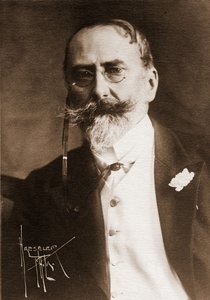 William Merritt Chase
Discover William Merritt Chase (1849-1916), a leading American Impressionist & art educator! Explore his vibrant portraits, landscapes & legacy as founder of Parsons School of Design.
While Realism provided the foundation, American artists soon began to explore new ways of capturing light, atmosphere, and fleeting impressions – paving the way for the emergence of American Impressionism. William Merritt Chase, a leading figure in this movement, exemplified this transition. His vibrant portraits and landscapes, often depicting scenes of modern life, captured the energy and dynamism of urban America. Chase’s work wasn't simply about replicating reality; it was about conveying a *feeling* – a sense of immediacy and sensory experience.
Chase, who also founded the Parsons School of Design, understood the importance of art education in fostering this new aesthetic. He encouraged his students to observe light and color directly, breaking away from traditional academic techniques. His influence extended beyond painting, shaping a generation of American artists who embraced Impressionism’s principles. Artists like Chase weren't simply imitating European styles; they were adapting them to the unique context of the American landscape and culture.
Across the Atlantic: Corot and the Hague School's Influence
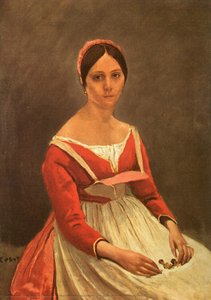
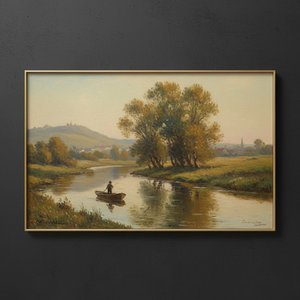 Jean-Baptiste-Camille Corot: A Poetic Realism – Bridging the Barbizon School and Early Impressionism
Explore the life & art of Camille Corot, a pivotal figure bridging the Barbizon School & Impressionism. Discover his poetic realism, signature style, and lasting influence on landscape painting. Learn more at ArtsDot.
The influence of European art movements was undeniable, yet American artists didn’t merely copy their counterparts across the Atlantic. Jean-Baptiste-Camille Corot, a pivotal figure bridging the Barbizon School and early Impressionism, offered a particularly compelling model for American painters. His poetic realism – characterized by subtle tonal variations and evocative landscapes – resonated with those seeking to capture the beauty of the natural world without resorting to dramatic effects.
Similarly, the Hague School in the Netherlands played a significant role in shaping American artistic sensibilities. Artists like Mauve and Maris focused on atmospheric landscapes and realistic depictions of Dutch life, influencing a generation of painters with their nuanced use of light and color. The Hague School’s emphasis on capturing the mood and atmosphere of a scene – rather than simply its physical appearance – proved particularly appealing to American artists seeking to develop their own unique style.
Lluïsa Vidal Puig: Catalan Modernism's Unique Voice
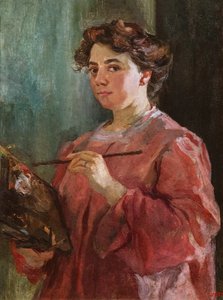 lluïsa vidal puig
Explore the lyrical Catalan modernism of lluïsa vidal puig! Capturing women & landscapes with expressive portraits, her work reflects a unique artistic legacy.
While often overshadowed by her male contemporaries, Lluïsa Vidal Puig represents a fascinating example of artistic innovation within the context of late 19th-century Europe. As a practitioner of Catalan Modernism, she brought a unique sensibility to portraiture and landscape painting. Her expressive portraits of women – often depicted in intimate settings – captured their inner lives with remarkable sensitivity.
Puig’s work wasn't simply about technical skill; it was about conveying emotion and personality. She embraced a lyrical style, characterized by delicate brushstrokes and subtle color variations. Her landscapes, too, were imbued with a sense of atmosphere and poetic beauty. While her influence on the American art scene may have been indirect, she represents an important example of artistic experimentation during this period.
Kenneth Hayes Miller: Social Realism in a New Century
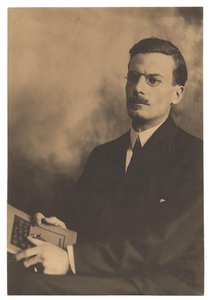 kenneth hayes miller
Kenneth Hayes Miller (1876-1952) was an American painter & printmaker known for his Social Realist depictions of modern life, especially women shoppers. Influenced by Ryder & Old Masters, he taught at the Art Students League.
Kenneth Hayes Miller, born in 1876 – the very year of the Centennial Exposition – embodied the evolving spirit of American art. His paintings, often depicting women shoppers and scenes of modern life, reflected a distinct form of Social Realism. Influenced by Ryder and Old Masters, he combined technical skill with a keen eye for social commentary.
Miller’s work wasn't simply about documenting reality; it was about critiquing the changing dynamics of American society. He often depicted women in public spaces – department stores, streets, cafes – capturing their independence and agency while also subtly highlighting the challenges they faced. His paintings served as a powerful reflection of the social anxieties and aspirations of a nation grappling with modernity. The legacy of artists like Miller demonstrates how the seeds planted at the Centennial Exposition continued to blossom in the decades that followed.
At ArtsDot.com, we are dedicated to bringing these masterpieces – and the stories behind them – to life through high-quality reproductions. Explore our collection today and discover the enduring power of art to inspire, challenge, and connect us to the past.