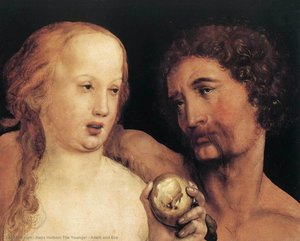
Introduction: The Enduring Quest for Divine Presence in Art
Divine grace is a theological term present in many religions. It has been defined as the divine influence which operates in humans to regenerate and sanctify, to inspire virtuous impulses, and to impart strength to endure trial and resist temptation;...
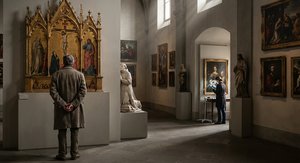
From the earliest cave paintings to the grand frescoes of the Renaissance, humanity has sought to capture something beyond the tangible—a sense of the divine, a whisper of grace. This impulse isn’t merely about religious devotion; it's a fundamental human need to understand our place within the cosmos and to connect with forces larger than ourselves. Art, throughout Western history, has served as a powerful conduit for this exploration, evolving in its techniques and symbolism yet consistently striving to depict the intangible beauty and profound mystery of spiritual experience. The representations of grace—whether through radiant light, idealized forms, or emotive gestures—offer a window into the beliefs, anxieties, and aspirations of each era.
Early Christian Symbolism & the Depiction of Grace (Byzantine & Romanesque)
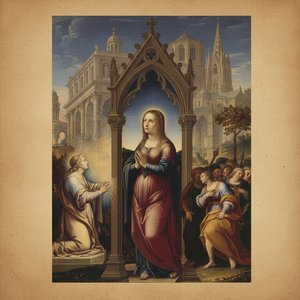
The earliest attempts to visualize divine grace within Christianity were often abstract, rooted in the symbolic language of the Byzantine Empire. Before naturalistic representation took hold, artists relied on rich colors, flattened perspectives, and iconic figures to convey theological concepts. Gold backgrounds weren’t simply aesthetic choices; they represented the unearthly realm, the very presence of God. Consider the mosaics of Ravenna or the illuminated manuscripts of the period – these were not intended as literal depictions but rather as portals to a spiritual reality. The Virgin Mary, often depicted enthroned with Christ Child, embodies *theotokos*—God-bearer—a symbol of divine incarnation and grace bestowed upon humanity. As Christianity spread northward into Romanesque Europe, this symbolic language began to evolve. While still largely focused on conveying theological narratives rather than realistic portrayals, we see a growing emphasis on architectural grandeur and the use of sculpture to instruct and inspire awe. The figures remain stylized, but there’s an increasing attempt to imbue them with emotional weight, hinting at the divine compassion they represent.
The Renaissance Reawakening: Humanism, Beauty, and Divine Revelation
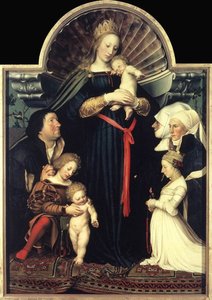
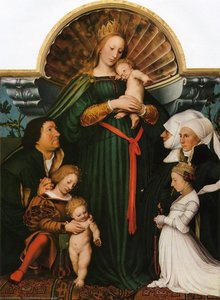 Meyer Madonna (also known as Darmstadt Madonna)
Discover the Meyer Madonna (Darmstadt Madonna) by Hans Holbein the Younger, a masterful 1526 Renaissance religious painting. Rich in symbolism, realism, and divine beauty, perfect for art collectors and enthusiasts.
The Renaissance marked a pivotal shift in how artists approached the depiction of grace. The rediscovery of classical art and philosophy fueled a renewed interest in human anatomy, perspective, and naturalism. This wasn’t a rejection of religious themes but rather an attempt to elevate them through artistic skill and intellectual understanding. Artists like Fra Angelico, while deeply devout, embraced linear perspective and realistic detail in works such as The Virgin and Child enthroned with Angels and Saints, creating scenes that felt both earthly and heavenly. However, it was the High Renaissance masters—Leonardo da Vinci, Michelangelo, and Raphael—who truly revolutionized the representation of grace. Raphael’s Christ Blessing exemplifies this new approach; the serene expression, balanced composition, and masterful use of *sfumato* create an image of profound peace and divine authority. The focus shifted from symbolic representation to capturing the emotional and spiritual essence of the subject through human form and gesture. The Meyer Madonna (Darmstadt Madonna) by Hans Holbein the Younger, painted in 1526, demonstrates a remarkable realism combined with subtle symbolism – the delicate hands, the rich fabrics, and the intimate connection between mother and child all contribute to an overwhelming sense of grace and tenderness.
Baroque Drama & Emotional Intensity: Expressing Faith Through Form
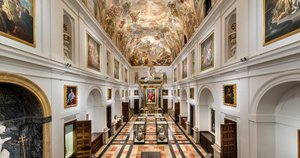 Sacristy of the Cathedral
Delve into Spain's religious artistry at the Sacristy of Toledo Cathedral! Admire El Greco’s ‘The Disrobing,’ Caravaggio’s brilliance & Goya’s portraits in this UNESCO World Heritage site – a treasure trove of Baroque art.
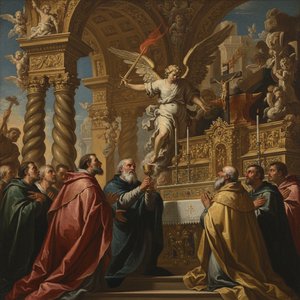
The Baroque period witnessed a dramatic intensification of religious expression in art. Responding to the Protestant Reformation, Catholic artists sought to reassert the power and emotional resonance of faith through dynamic compositions, rich colors, and theatrical lighting. Artists like Caravaggio employed *tenebrism*—the stark contrast between light and shadow—to create scenes of intense drama and spiritual awakening. The Sacristy of Toledo Cathedral provides a stunning example of this Baroque sensibility, showcasing works by El Greco that are characterized by elongated figures, swirling compositions, and an almost mystical quality. The emphasis shifted from serene contemplation to passionate devotion, with artists aiming to evoke a visceral emotional response in the viewer. This period saw a greater focus on depicting moments of intense religious experience—visions, miracles, and martyrdoms—all designed to inspire awe and reaffirm faith.
Beyond Representation: The Subtle Language of Gesture and Light
Throughout these various periods, certain elements consistently contributed to the depiction of grace. Light, for example, has always been a powerful symbol of divine presence, often used to illuminate key figures or create a sense of ethereal beauty. Gestures—a gentle touch, an outstretched hand, a compassionate gaze—convey emotions and intentions that transcend words. The Collegiata di San Gimignano, with its stunning 14th-century frescoes by Bartolo di Fredi, illustrates this beautifully; the subtle interactions between figures, the delicate use of color, and the carefully crafted compositions all contribute to an atmosphere of spiritual reverence. Even in more naturalistic depictions, artists understood the power of suggestion—a half-smile, a veiled expression, a sense of inner peace—to convey the intangible qualities of grace. The Santa Cecilia Basilica in Trastevere offers a glimpse into this subtle language through its intricate mosaics and architectural details.
Conclusion: The Legacy of Grace in Western Artistic Tradition
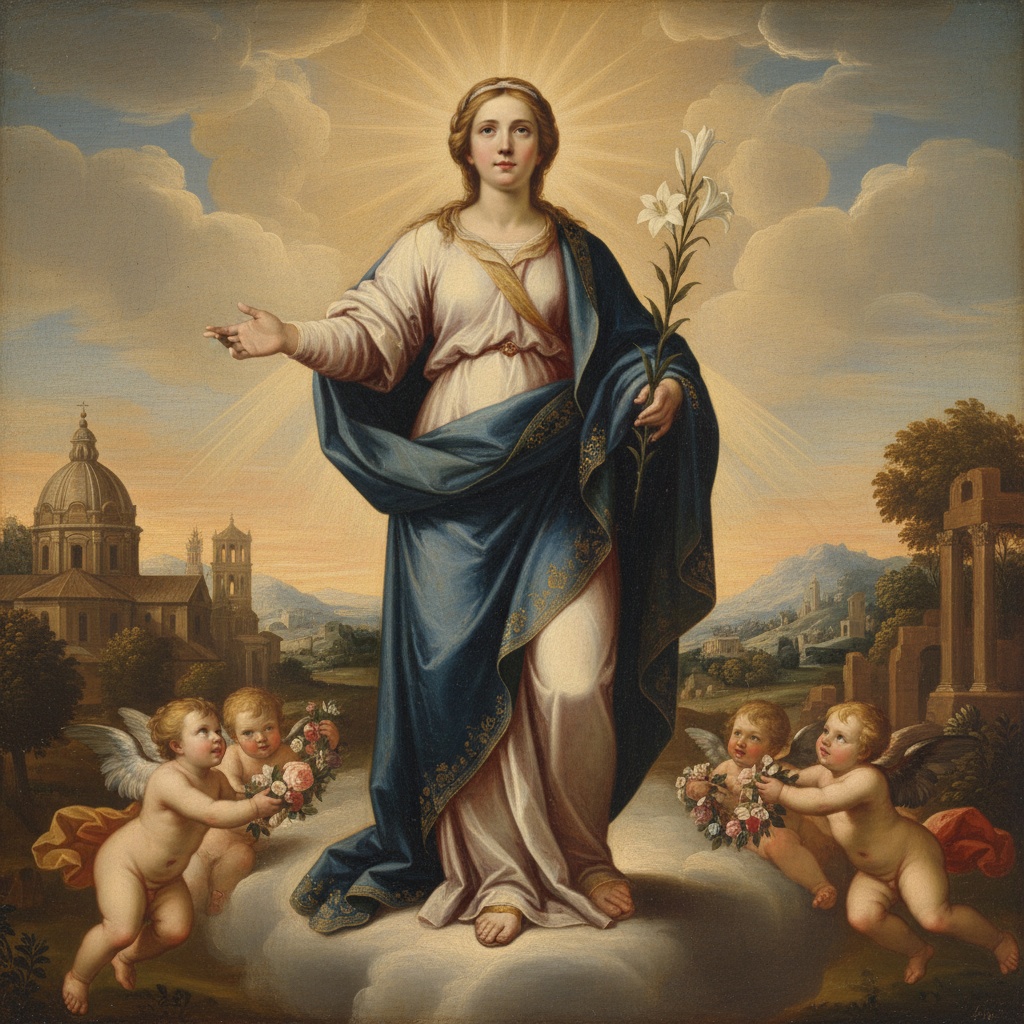
The quest to represent divine grace has been a defining thread throughout Western art history, shaping artistic techniques, symbolic languages, and emotional expressions. From the abstract symbolism of Byzantine icons to the naturalistic beauty of Renaissance masterpieces and the dramatic intensity of Baroque paintings, artists have consistently sought to capture something beyond the visible world—a sense of the sacred, a whisper of hope, a connection to the infinite. Today, we continue to be moved by these works not only for their artistic skill but also for their ability to evoke profound spiritual emotions. ArtsDot offers high-quality reproductions of these timeless masterpieces, allowing you to bring the enduring beauty and grace of Western art into your own home. Explore our collection and discover the power of art to inspire, uplift, and connect us with something larger than ourselves.