The Pastoral Ideal: Origins & Evolution of Arcadia
The pastoral genre of literature, art, or music depicts an idealised form of the shepherd's lifestyle – herding livestock around open areas of land according to the seasons and the changing availability of water and pasture. The target audience is t...
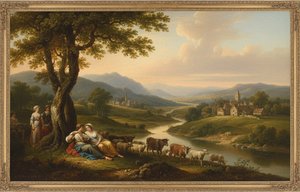
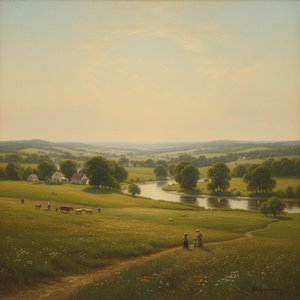
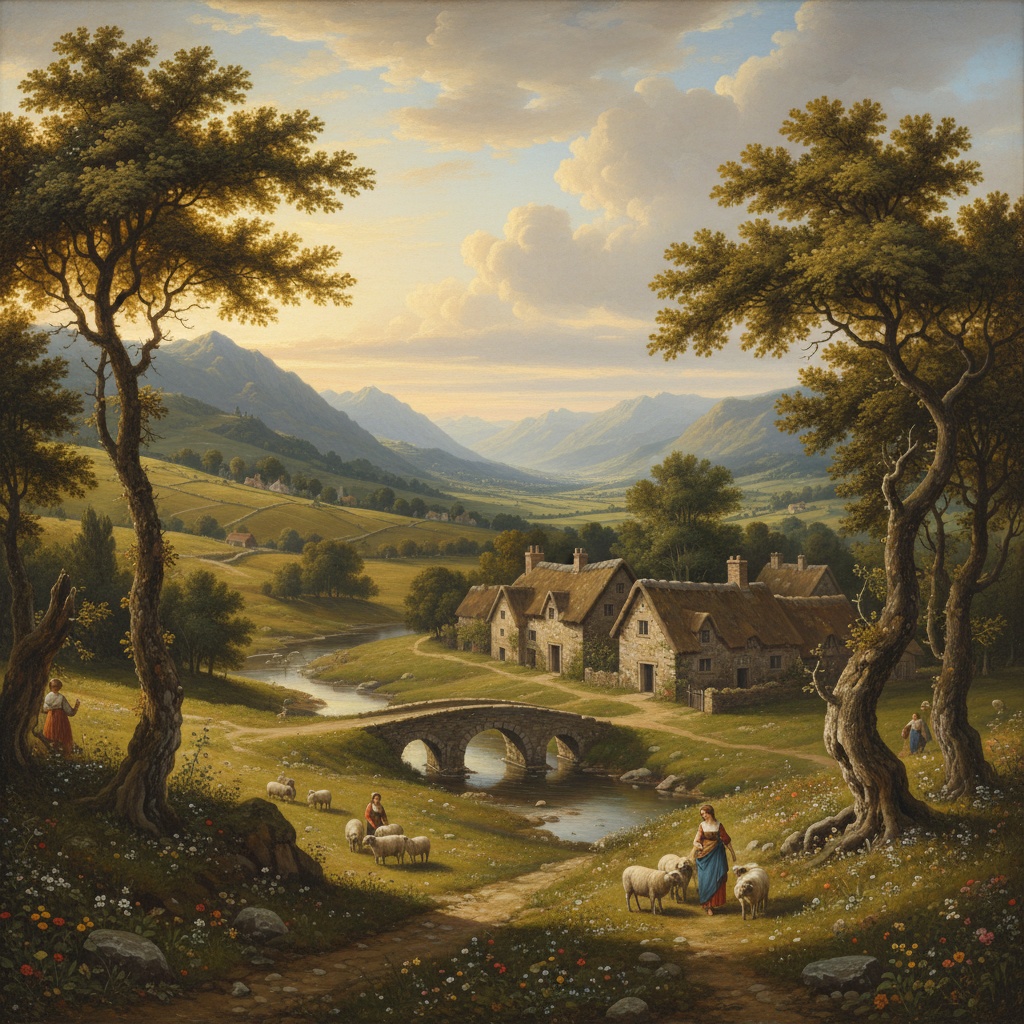
The yearning for a simpler existence, a life harmoniously intertwined with nature, is a thread woven deeply into the fabric of Western art and literature. This longing finds its most potent expression in the pastoral tradition – an idealized vision of rural life that has captivated imaginations for millennia. Its roots lie in ancient Greece, specifically in the imagined realm of Arcadia, a region often associated with shepherds, idyllic landscapes, and a sense of unspoiled beauty. However, Arcadia wasn’t merely a geographical location; it was a state of mind, a refuge from the complexities and perceived corruptions of urban life. Early depictions weren't necessarily about realistic portrayals of rural existence but rather constructed fantasies reflecting societal anxieties and desires. The very concept served as a counterpoint to the burgeoning empires and increasingly sophisticated societies of the time, offering an escape into a world governed by natural rhythms and uncomplicated pleasures.
The Roman poet Virgil’s Eclogues profoundly shaped this ideal, establishing many of the tropes we associate with pastoral art: lovesick shepherds, musical contests, and lamentations for lost innocence. Virgil wasn't simply celebrating rural life; he was using it as a vehicle to explore themes of political unrest and personal loss, cloaking them in the guise of idyllic simplicity. This layering – the contrast between surface tranquility and underlying complexity – became a hallmark of the genre. The pastoral ideal wasn’t about literal truth but about emotional resonance and symbolic meaning.
From Virgil to Poussin: Literary & Early Artistic Representations
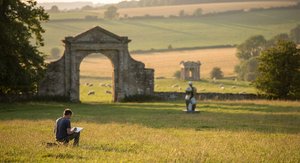
Following Virgil, the pastoral tradition flourished throughout the Renaissance and Baroque periods, finding expression in both literature and painting. Artists like Nicolas Poussin masterfully translated these literary themes onto canvas. His landscapes, though meticulously detailed and often populated with classical figures, weren’t simply depictions of nature; they were carefully constructed allegories imbued with moral and philosophical significance. Poussin's Arcadian scenes frequently featured ruins – remnants of a glorious past serving as reminders of the transience of earthly power and the enduring beauty of the natural world. These paintings appealed to an aristocratic audience who saw themselves as custodians of classical values, seeking solace and inspiration in these idealized landscapes.
Giovanni Battista Piazzetta, a Venetian painter of the 18th century, offers another compelling example. His “Pastoral Scene” (available through The Art Institute of Chicago) demonstrates a shift towards a more intimate and humanistic portrayal of rural life, focusing on rustic figures engaged in everyday activities. While still idealized, there’s a warmth and immediacy to his work that foreshadows the later emphasis on realism.
The 19th-Century Rediscovery: Romanticism & the Barbizon School
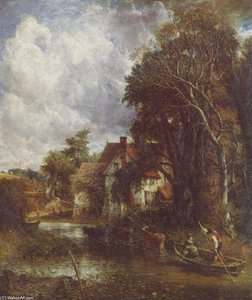
The 19th century witnessed a renewed interest in landscape painting, fueled by the rise of Romanticism. Artists began to reject the rigid academic conventions of the past, seeking instead to capture the emotional power and sublime beauty of nature directly. This led to a greater emphasis on *plein air* painting – working outdoors to observe and record the changing effects of light and atmosphere. The Barbizon School, a group of French painters who settled in the forest of Fontainebleau, played a pivotal role in this movement. Artists like Théodore Rousseau and Jean-François Millet focused on depicting rural life with honesty and empathy, portraying peasants not as idealized figures but as hardworking individuals connected to the land.
This period marked a significant shift from the purely allegorical representations of earlier pastoral art towards a more grounded and realistic portrayal of the countryside. However, even in these works, there remained an element of idealization – a sense of harmony and tranquility that often belied the harsh realities of rural existence.
Impressionism's Embrace of Rural Life and Fleeting Moments
Impressionism was a 19th-century art movement characterized by visible brush strokes, open composition, emphasis on accurate depiction of light in its changing qualities (often accentuating the effects of the passage of time), ordinary subject matter...
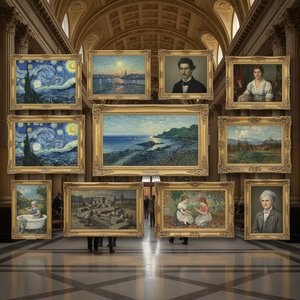
The Impressionists further revolutionized landscape painting by focusing on capturing the fleeting effects of light and color. Artists like Claude Monet, with his iconic depictions of water lilies and haystacks, sought to record their immediate sensory impressions of nature. While not explicitly pastoral in subject matter, many Impressionist paintings evoke a similar sense of serenity and escape. Monet’s “Impression, soleil levant,” which gave the movement its name, exemplifies this focus on capturing a momentary experience – the ephemeral beauty of a sunrise over the harbor. The emphasis shifted from detailed representation to subjective perception, allowing artists to convey not just *what* they saw but *how* they felt.
The open composition and visible brushstrokes characteristic of Impressionism created a sense of immediacy and spontaneity that perfectly captured the fleeting beauty of rural life. They weren’t attempting to create grand allegories; they were simply trying to record their personal experiences of light, color, and atmosphere.
American Pastoral Visions: The Hudson River School & Beyond
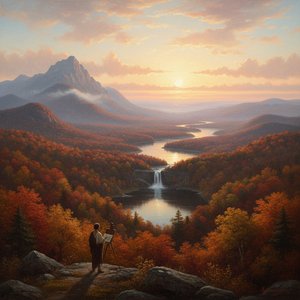
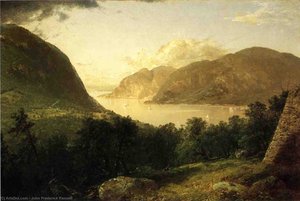
Across the Atlantic, American artists developed their own unique brand of pastoral painting, exemplified by the Hudson River School. Artists like Asher B. Durand celebrated the vastness and majesty of the American landscape, portraying it as a symbol of national identity and divine creation. His “Pastoral Landscape” (National Gallery of Art) showcases his meticulous attention to detail and his ability to capture the grandeur of the natural world. These paintings often featured idealized scenes of untouched wilderness, reflecting a desire to preserve America’s natural heritage.
Later American artists continued to explore pastoral themes in diverse ways, from the idyllic landscapes of Winslow Homer to the more realistic depictions of rural life by Andrew Wyeth. The tradition continues to resonate with contemporary artists and audiences alike, offering a powerful reminder of our connection to nature and the enduring allure of a simpler existence.
Collecting Arcadia Today: Finding Serenity in Landscape Art
Today, collecting pastoral landscape art offers more than just aesthetic pleasure; it’s an opportunity to connect with centuries of artistic tradition and to bring a sense of serenity into your home. Whether you prefer the classical elegance of Poussin, the realism of Millet, or the vibrant colors of Monet, there's a pastoral scene to suit every taste. At ArtsDot, we offer high-quality reproductions of masterpieces from across art history, allowing you to experience the beauty and tranquility of Arcadia firsthand. From oil paintings meticulously crafted by skilled artists to stunning canvas prints, we provide a range of options to fit your budget and preferences.
Explore our extensive collection and discover the perfect landscape painting to evoke a sense of peace and harmony in your space. We also offer custom reproduction services, allowing you to transform your favorite photos into artworks inspired by the great masters. Let ArtsDot help you bring the timeless beauty of Arcadia into your life.