Early Life & Düsseldorf Training: The Foundation of Herzog’s Style
Illustrated catalogue of paintings, works of Hermann Herzog. Lugt Place of sale: New York. Dates of sale: Apr. 25-27, 1888.Missing: Genre Mid- 19th Century Study Domestic Idealism)
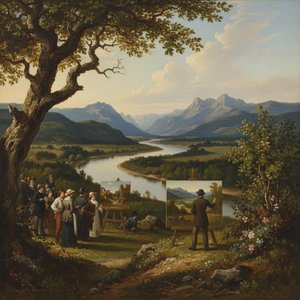
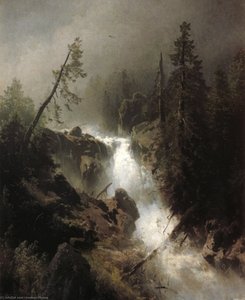
Hermann Ottomar Herzog, often hailed as the “Grandfather of American Landscape,” embarked on a remarkable artistic journey that spanned continents and captured the evolving spirit of 19th-century America. Born in Bremen, Germany, in 1832, his early exposure to the burgeoning Romantic movement laid the groundwork for a career deeply rooted in both meticulous observation and emotional resonance. However, it was his formal training at the Düsseldorf Academy that truly shaped his artistic sensibilities. The academy, under the guidance of Andreas Achenbach, championed a refined technique emphasizing detailed realism – a style Herzog would master and ultimately carry across the Atlantic.
Achenbach’s influence extended beyond mere technical proficiency; he instilled in his students an appreciation for the sublime power of nature, encouraging them to seek out dramatic vistas and capture their grandeur with unwavering accuracy. This emphasis on atmospheric effects, precise rendering of light, and a palpable sense of place would become hallmarks of Herzog's work. While many contemporaries experimented with looser brushwork or more stylized interpretations, Herzog remained steadfastly committed to representing the natural world as he perceived it – a commitment that would define his unique position within the American art landscape.
From European Sublime to American Pastoral: A Transatlantic Artistic Journey
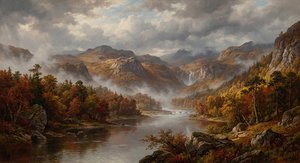
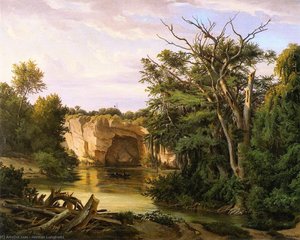
Herzog’s early career unfolded against the backdrop of Europe's picturesque landscapes. He traveled extensively, depicting fjords, lakes, and mountain scenes with a growing mastery of light and shadow. These works, often characterized by their brooding skies and dramatic compositions, garnered favorable attention at prestigious venues like the Paris Salon and the Pennsylvania Academy of the Fine Arts. Patrons from noble circles – including the Countess of Flanders, Emperor Alexander of Russia, and Queen Victoria – recognized the burgeoning talent in this young German artist.
Yet, a shift was brewing within Herzog’s artistic vision. Drawn by reports of untamed wilderness and breathtaking vistas, he made the pivotal decision to relocate to the United States in 1869, establishing his studio in Philadelphia. This wasn't merely a change of scenery; it represented a fundamental transition from depicting the established beauty of Europe to capturing the raw, unspoiled majesty of America. He sought not just to replicate landscapes but to embody the spirit of a nation forging its own identity – an identity inextricably linked to its vast and untamed territories.
Yosemite and the Western Landscape: Defining an American Vision
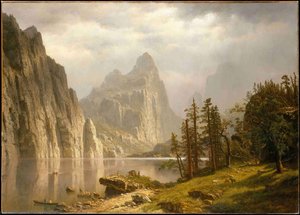
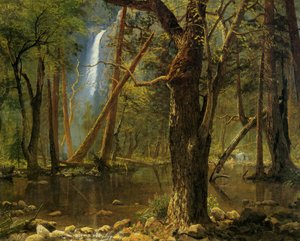
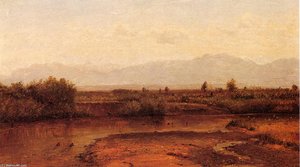
The American West, particularly Yosemite Valley, proved to be a transformative source of inspiration for Herzog. Unlike earlier depictions of wilderness often imbued with allegorical or religious symbolism, Herzog’s Yosemite scenes prioritized realism. He meticulously rendered the granite cliffs, cascading waterfalls, and towering sequoias, capturing their scale and grandeur with breathtaking accuracy. Paintings like “Landscape with Deer & Ducks” exemplify this approach – a stunning portrayal of Yosemite that eschews romantic embellishment in favor of faithful representation.
Herzog’s choice to focus on the Western landscape was significant. It aligned him with artists like Albert Bierstadt and Worthington Whittredge, who were also documenting the nation's natural wonders. However, Herzog distinguished himself through his unwavering commitment to realism, often foregoing the dramatic flourishes favored by his contemporaries. He wasn’t interested in creating idealized visions; he sought to present Yosemite as it was – a place of immense power, beauty, and untamed wilderness.
The Domestic Ideal in Herzog's Genre Scenes: Beyond Scenic Beauty
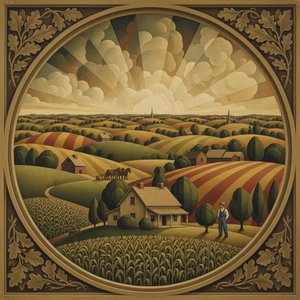
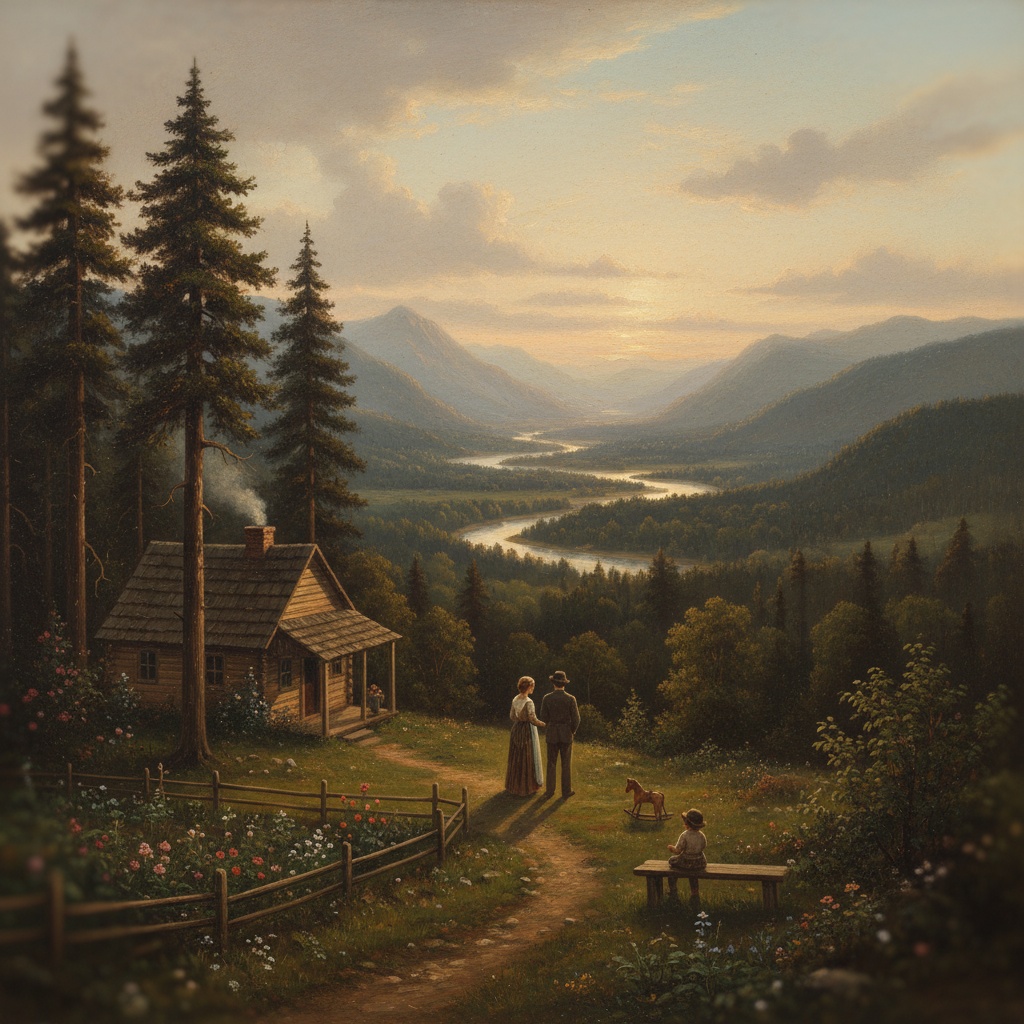
While celebrated for his landscapes, Herzog also produced a significant body of genre paintings that offer a fascinating glimpse into the domestic ideals of 19th-century America. These scenes, often depicting families engaged in everyday activities – reading, playing music, or simply enjoying each other’s company – reveal a subtle yet profound exploration of societal values. Paintings like “Florida Live Oaks with Deer” subtly integrate these themes; the serene landscape serves as a backdrop for a harmonious family scene, evoking a sense of tranquility and contentment.
Herzog's genre scenes weren’t simply idyllic portrayals of domestic life. They often contained symbolic elements that hinted at deeper meanings – the importance of education, the virtues of hard work, or the bonds of familial love. This subtle layering of symbolism elevated these paintings beyond mere depictions of everyday life, transforming them into poignant reflections on the American experience. The artist’s ability to seamlessly blend scenic beauty with insightful social commentary solidified his position as a key figure in American genre painting.
Herzog’s Legacy & Market Value: A Lasting Impression on American Art
Hermann Herzog's prolific career, spanning over eight decades, left an indelible mark on the American art landscape. His unwavering commitment to realism, coupled with his ability to capture the grandeur of both European and American scenery, earned him a devoted following and enduring recognition. Today, his paintings are held in numerous museum collections nationwide, including the Metropolitan Museum of Art, Smithsonian American Art Museum, and Museum of Fine Arts, Boston.
The market for Herzog’s work remains strong, reflecting the continued appreciation for his artistic skill and historical significance. Heritage Auctions consistently features his paintings, with prices ranging from several thousand to hundreds of thousands of dollars depending on size, subject matter, and provenance. His works are not merely decorative objects; they represent a tangible connection to a pivotal moment in American art history – a time when artists sought to define the nation’s identity through its landscapes and celebrate the ideals that shaped its character. ArtsDot offers high-quality reproductions of Herzog's masterpieces, allowing collectors and enthusiasts alike to experience the beauty and tranquility of his vision firsthand.