 Preview
 Send
Send Share
Share
 Details

 Download
 Similars
 X-Ray
X-Ray Diaporama
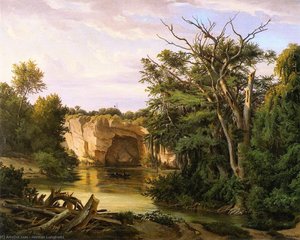
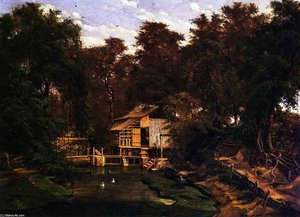
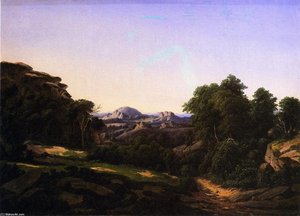
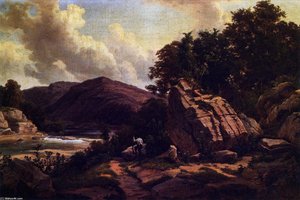
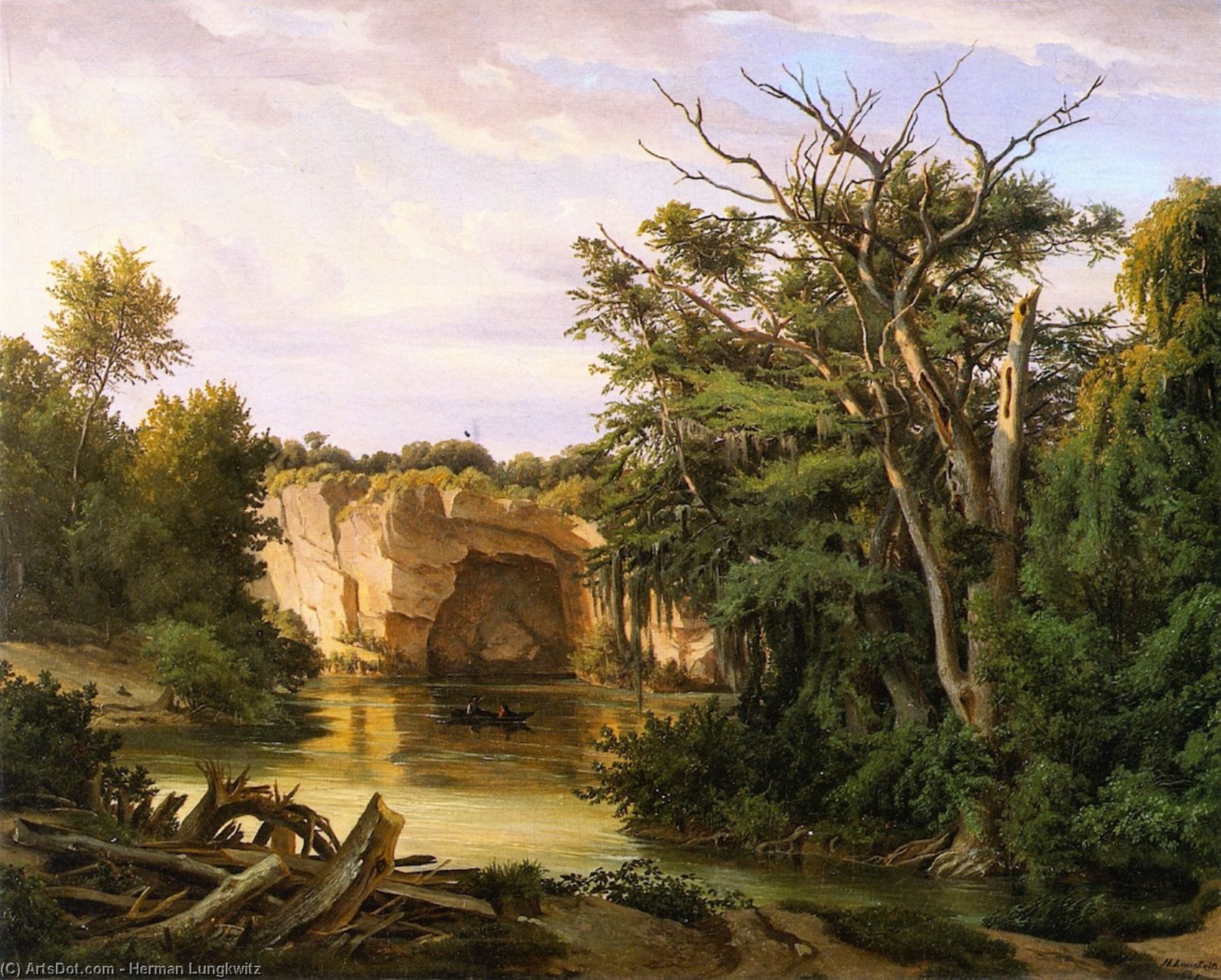
Guadalupe River Landscape


 Read More
Hand Made Oil Reproduction
Hand-painted oil on canvas in your size and frame, made to order by our artists. ( Buy Print Buy Image)




P118B $10

P118H $10

P118W $10

P438Z $10

P508JH $12

P508YH $12

P805H $10

P805Z $10

P919BZ $10

P919G $10

P919XJ $10

P959ZH $10

P968JZ $12

W106C $8

W218G $10

W218JH $8

W218Y $10

W307PJ $10

W316G $10

W316PJ $8

W316Y $10

W398PJ $8

W4111J $10

W500HY $15

W500JH $15

W692G $12

W849H $8

W940BG $15

W953PJ $8




Pick from our preset sizes that match the artwork's original proportions.

You may enter your own dimensions to fit a specific frame or space. If your selected size does not match the original image's proportions, we will either crop the artwork or extend the painting with additional hand-painted elements. A digital mockup will be sent for your approval before production begins.
Please note that the on-screen preview does not reflect the actual cropping or extension. Only the mockup will accurately show the final composition.
While custom sizes are available, we recommend selecting a dimension from the predefined list to preserve the original proportions.
After order, ArtsDot.com team will email client for instructions and provide a mockup preview
Worldwide Delivery () in 3/4 weeks instead of standard 5 weeks. (16 August). No compromise on quality.

Free Worldwide Express Shipping

High-Quality Linen Canvas

Full Shipping Insurance

Customs Tax Refund Guarantee

True Color Matching Guarantee

60-Day Return Policy (Defects Only)

100% Money-Back Guarantee

Bulk Discount Offer
 Glass option is only available in size under 110 CM

Guadalupe River Landscape
Reproduction Medium
Reproduction Size
-


Total Price
$ 263
Artwork Description
A Window into the Texas Wilderness
In the heart of the mid-19th century, as the American frontier was being shaped by both nature and human ambition, Herman Lungkwitz captured a moment of profound stillness in his 1862 masterpiece, Guadalupe River Landscape. This breathtaking oil on canvas serves as more than just a topographical record; it is an invitation to step into a serene and idyllic world where the wild beauty of the Texas landscape remains untouched by the encroaching chaos of history. The painting centers upon the majestic Guadalupe River, which flows with a quiet authority through the composition, its surface reflecting the soft, diffused light of an overcast sky. As the eye wanders from the lush greenery of the foreground to the towering trees and the dramatic, imposing cliffs in the distance, one feels the immense scale and the tranquil rhythm of the natural world.
The artist’s vision is deeply rooted in the Romantic tradition, a movement that sought to evoke emotional responses through the sublime grandeur of nature. Lungkwitz, a German-born artist who brought European academic precision to the American landscape, utilizes a sophisticated technique to breathe life into the scene. His brushwork, while capable of fine detail in the textures of rough bark and jagged rocks, possesses a certain looseness that captures the atmospheric haze and the movement of the water. The color palette is a harmonious blend of earthy browns, deep forest greens, and cool blues and grays, creating a sense of organic unity. Subtle details—a horse resting near the riverbank and birds gliding above the water—introduce a narrative element of human interaction with the wild, suggesting that this landscape is not merely a backdrop but a living, breathing entity.
Symbolism and the Eternal Flow
Beyond its visual splendor, the Guadalupe River Landscape invites deeper contemplation through its subtle symbolic layers. The river itself, winding through the heart of the composition, can be viewed as a metaphor for the inexorable flow of life—a constant, moving force that shapes the terrain it touches. In contrast, the massive, unyielding cliffs that loom in the background represent strength, permanence, and the enduring spirit of the earth. This juxtaposition between the fluid and the fixed creates a profound emotional resonance, offering the viewer a sense of peace found in the balance of nature's dualities. For the collector or interior designer, this painting offers a sophisticated focal point that brings a sense of groundedness and historical depth to any space.
For those looking to bring this piece of American history into their own homes, high-quality, hand-painted reproductions offer an exquisite way to experience Lungkwitz's genius. Each meticulous stroke of the brush in these reproductions is designed to faithfully recreate the texture and light of the original, ensuring that the emotional impact of the 1862 masterpiece remains intact. Whether placed in a sunlit study or a grand living area, such a work serves as a timeless window into a lost era of American wilderness, providing an enduring sense of tranquility and inspiration.
Related Artworks
Artist Biography
Early Life and Artistic Beginnings
Herman Lungkwitz, born in Halberstadt, Germany, in 1813, emerged from a period of significant artistic transition. The echoes of Romanticism still resonated, yet the seeds of Realism were beginning to sprout across Europe. While detailed biographical information remains scarce—a common fate for artists operating outside the most prominent circles—we can piece together a portrait of a dedicated painter who navigated these shifting currents with quiet determination. His early training likely occurred within the established academic traditions of his region, focusing on meticulous draftsmanship and classical subject matter. However, Lungkwitz’s artistic path would soon diverge from strict adherence to convention. He wasn't driven by grand historical narratives or mythological allegories; instead, he found inspiration in the everyday lives of people around him, particularly those engaged in rural occupations. This focus suggests an early inclination towards genre painting—a style that celebrated scenes of common life—and a sensitivity to the dignity and beauty inherent in ordinary labor.A Focus on Rural Life and Genre Painting
Lungkwitz’s oeuvre is characterized by its intimate depictions of German peasant life during the 19th century. He wasn't merely documenting these scenes; he was imbuing them with a sense of warmth, authenticity, and subtle psychological depth. His paintings often feature farmers tending their fields, families gathered around simple meals, or individuals engaged in traditional crafts. The compositions are typically balanced and harmonious, reflecting a careful study of light and shadow to create a realistic yet inviting atmosphere. What sets Lungkwitz apart is his ability to capture the character of his subjects—their weathered faces, calloused hands, and quiet resilience. He avoids romanticizing rural existence; instead, he presents it with honesty and respect, acknowledging both its hardships and its inherent beauty. His palette tends towards earthy tones – ochres, browns, and greens – further reinforcing the connection to the land and the natural world. While not widely celebrated during his lifetime, Lungkwitz’s work offers a valuable glimpse into the social fabric of 19th-century Germany, providing a counterpoint to more idealized or dramatic representations of the era.Influences and Artistic Development
Pinpointing specific artistic influences on Lungkwitz is challenging due to limited documentation. However, it’s reasonable to assume exposure to the work of Dutch Golden Age genre painters like Johannes Vermeer and Pieter de Hooch. Their mastery of light, composition, and interior scenes likely served as a source of inspiration for his own meticulous approach. The Biedermeier movement, prevalent in Germany during Lungkwitz's active period, also exerted a subtle influence. This style emphasized domesticity, simplicity, and a focus on personal experience—values that resonate strongly within his paintings. As the 19th century progressed, Lungkwitz may have been aware of the emerging Realist movement led by artists like Gustave Courbet and Jean-François Millet. While he didn’t fully embrace their radical social commentary, he shared their commitment to depicting everyday life with honesty and accuracy. His development can be seen as a gradual refinement of his technique—a growing confidence in capturing nuanced expressions and conveying the emotional weight of ordinary moments.Legacy and Historical Significance
Herman Lungkwitz passed away in 1891, leaving behind a body of work that continues to captivate viewers with its quiet beauty and authenticity. Although he didn’t achieve widespread fame during his lifetime, his paintings have gained recognition in recent years as valuable historical documents and compelling examples of 19th-century genre painting.- His works offer a unique perspective on German rural life—a glimpse into the daily routines, social structures, and emotional lives of ordinary people.
- Lungkwitz’s meticulous technique and sensitive portrayal of his subjects demonstrate a deep respect for human dignity and the beauty inherent in everyday labor.
- His paintings serve as a counterpoint to more idealized or dramatic representations of 19th-century Germany, providing a nuanced and realistic view of the era.
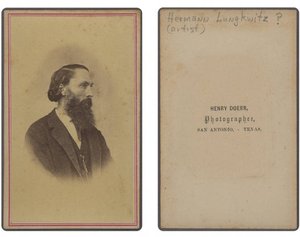
herman lungkwitz
1813 - 1891 , Germany
Quick Facts
- Artistic Movement Or Style: Cartoon humor
- Date Of Birth: 1813
- Date Of Death: 1891
- Full Name: Ottó Herman
- Nationality: German
- Place Of Birth: Halberstadt, Germany
Related Articles

Romantic Landscapes: 10 Masterpieces for Your Home | ArtsDot
Journey through 10 Romantic landscape masterpieces by Friedrich, Turner & Cole. Explore emotional art, sublime nature scenes & iconic 19th-century paintings. Find museum-quality reproductions for your home at ArtsDot.com – discover the full collection online!

Beyond the Horizon: 10 Landscape Masterpieces for Your Home Decor
Journey through 10 breathtaking landscape paintings by Monet, Van Gogh & more! Explore iconic artworks, artistic techniques & find inspiration for your home decor. Museum-quality reproductions at ArtsDot.com. Discover all masterpieces on ArtsDot.com

Evocations of Place: A Historical Journey Through Landscape Art
Explore the rich history of landscape art with ArtsDot. Discover renowned artists, movements like Impressionism & Romanticism, and expert guidance for collecting timeless pieces. Find your perfect serene escape today!
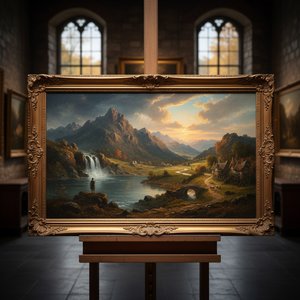
The Sublime and the Picturesque: Exploring Emotion & Nature in Romantic Landscape Painting
Explore the emotional power of Romantic landscape painting! Discover the sublime & picturesque traditions, key artists like Friedrich & Cole, and find your perfect artwork at ArtsDot.
Evocations of Place: A Historical Journey Through Landscape Art
Explore the rich history of landscape art with ArtsDot. Discover renowned artists, movements like Impressionism & tonalism, and expert guidance for collecting timeless pieces. Find your perfect serene escape today!