
The Genesis of Art Movements: From Renaissance Ideals to 19th-Century Shifts
An art movement is a tendency or style in art with a specific art philosophy or goal, followed by a group of artists during a specific period of time, (usually a few months, years or decades) or, at least, with the heyday of the movement defined with...
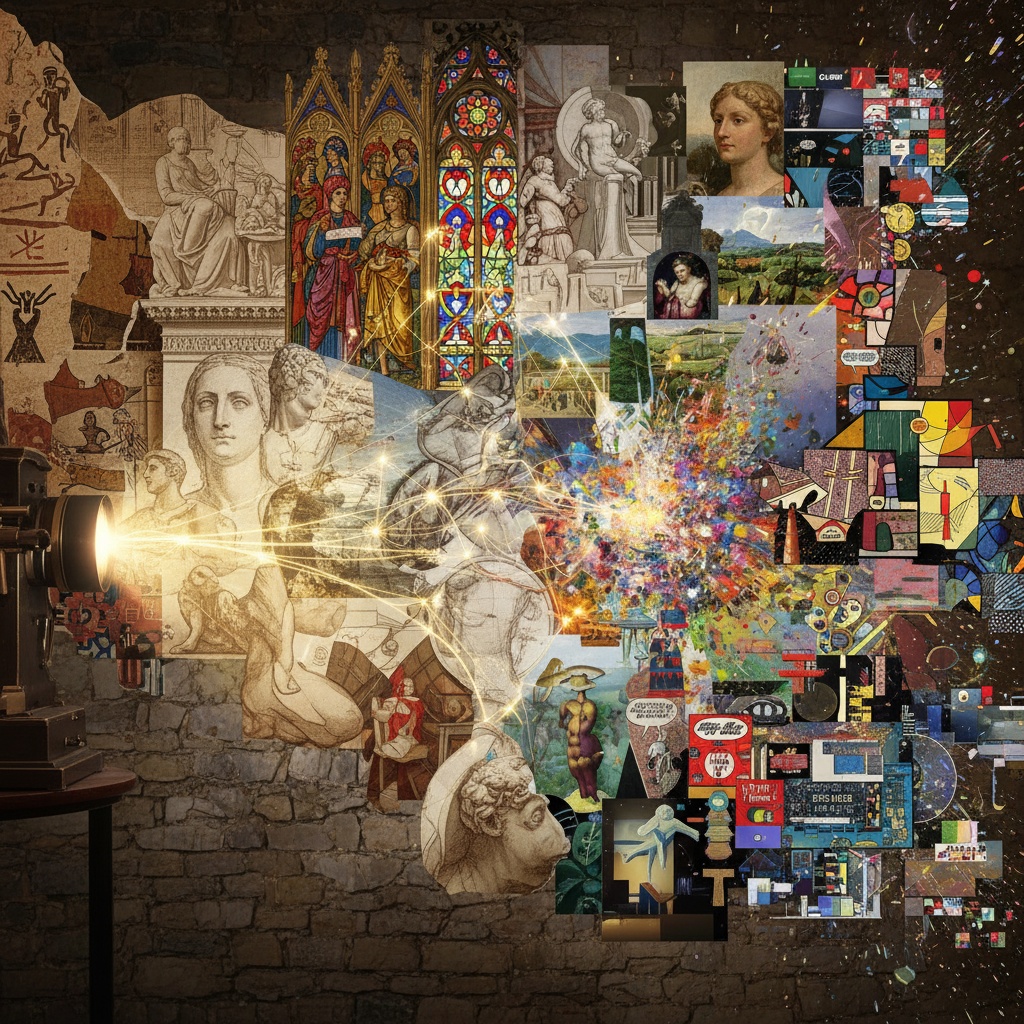
The story of art is not a linear progression, but rather a series of compelling dialogues – revolutions and reactions that have shaped our visual understanding of the world. Before the concept of distinct “movements” gained traction, artistic creation was largely defined by patronage, religious doctrine, and the pursuit of realistic representation. The Renaissance, with its rediscovery of classical forms and humanist philosophy, laid the groundwork for centuries of imitation and refinement. Artists like Raphael strived to capture ideal beauty and anatomical accuracy, establishing a canon that would dominate Western art for generations. However, even within this framework, seeds of change were being sown. Mannerism, emerging in the 16th century, subtly challenged these conventions with elongated figures, distorted perspectives, and an emphasis on stylistic elegance over naturalism – a precursor to the more radical departures to come.
The Baroque period, while initially rooted in Renaissance principles, embraced drama, grandeur, and emotional intensity. Artists like Caravaggio utilized chiaroscuro—the stark contrast between light and dark—to create powerful narratives that resonated with both religious fervor and human vulnerability. As the 18th century dawned, Rococo emerged as a reaction against Baroque’s solemnity, favoring playful themes, delicate brushwork, and aristocratic indulgence. But beneath the surface of these refined styles, societal shifts were brewing. The Enlightenment's emphasis on reason and individual liberty would soon fuel a demand for art that reflected contemporary life and challenged established norms.
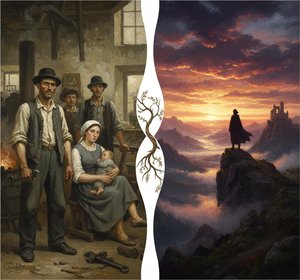
The 19th century witnessed an explosion of artistic innovation driven by industrialization, urbanization, and political upheaval. Neoclassicism briefly revived classical ideals as a symbol of order and civic virtue, but it was quickly superseded by Romanticism, which prioritized emotion, imagination, and the sublime power of nature. Artists like William Blake rejected academic constraints in favor of visionary imagery and personal symbolism. This burgeoning sense of individuality paved the way for Realism, a movement that sought to depict everyday life with unflinching honesty, often focusing on the struggles of the working class. The stage was set for a complete reimagining of artistic purpose and form.
Illustration as a Mirror to Modernity: Capturing Change Through Visual Narrative
 Wikipedia: Illustration
An illustration is a decoration, interpretation, or visual explanation of a text, concept, or process, designed for integration in print and digitally published media, such as posters, flyers, magazines, books, teaching materials, animations, video g...
While painting traditionally held a position of prominence, illustration emerged as a powerful force in reflecting and shaping modern sensibilities. Historically intertwined with the printing press, illustration’s ability to reach wider audiences made it uniquely suited to document and disseminate new ideas. From the medieval illuminations – intricate hand-drawn decorations that illuminated religious texts – to the woodcuts that accompanied early printed books, visual storytelling has always been integral to human communication. The 19th century saw a golden age of illustration, fueled by advancements in printing technology and the rise of popular periodicals like *Punch*. Artists such as John Leech and George Cruikshank masterfully employed caricature and satire to comment on social issues and capture the zeitgeist of Victorian England.
However, illustration wasn’t merely a tool for social commentary; it also served as a vital medium for scientific documentation and fantastical world-building. The meticulous botanical illustrations of the era showcased nature's beauty with unprecedented accuracy, while artists like Gustave Doré brought literary classics to life through dramatic engravings – his depiction of London’s industrial landscape in “Lambeth Gas Works” is a particularly striking example of capturing both labor and urban life. The power of illustration lies in its ability to synthesize information, evoke emotion, and create compelling visual narratives that resonate with diverse audiences.
Key Movements and Their Illustrative Voices: Realism, Impressionism & Beyond
A visual narrative (also visual storytelling) is a story told primarily through the use of visual media. This can be images in the mind, digital, and traditional media. The story may be told using still photography, illustration, or film, and can be ...
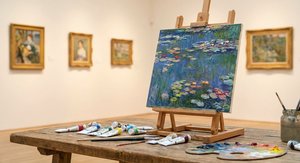
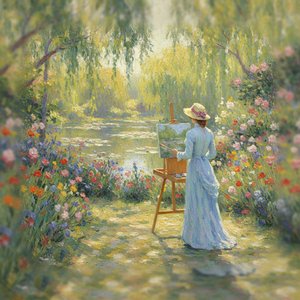
As art movements gained momentum, illustration became increasingly intertwined with their core philosophies. Realism found expression in the works of Jean-François Millet, whose depictions of peasant life were both poignant and politically charged. His “The Gleaners,” for example, offered a starkly honest portrayal of rural poverty that challenged conventional notions of beauty and social hierarchy. Impressionism, rejecting academic realism altogether, sought to capture fleeting moments of light and color. While primarily known as a painting movement, its influence extended to illustration, with artists experimenting with loose brushwork, vibrant palettes, and an emphasis on subjective perception. Claude Monet’s “Impression, Sunrise” embodies this spirit – a hazy, atmospheric depiction that prioritized sensation over precise representation.
Post-Impressionism further expanded the boundaries of visual expression, with artists like Georges Seurat employing pointillism—a technique involving tiny dots of color—to create shimmering, textured surfaces. This experimentation paved the way for even more radical departures in the 20th century. Illustration played a crucial role in disseminating these new styles to a wider public, appearing in magazines, books, and advertisements.
Surrealism and Expressionism: Exploring the Depths of the Human Psyche in Illustration
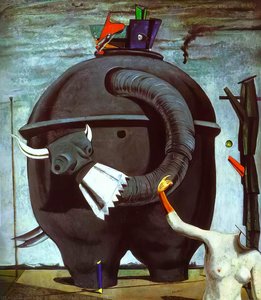
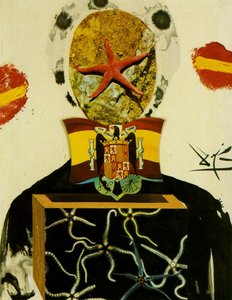
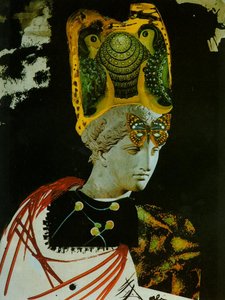
The early 20th century witnessed an explosion of avant-garde movements that sought to explore the depths of the human psyche. Expressionism, born out of a sense of alienation and anxiety, prioritized emotional intensity over objective reality. Artists like Edvard Munch used distorted forms, jarring colors, and symbolic imagery to convey feelings of anguish and despair – his “The Dance of Life” is a haunting depiction of existential angst. Surrealism, inspired by the theories of Sigmund Freud, delved into the realm of dreams and the subconscious. René Magritte’s iconic “The Son of Man,” with its enigmatic figure obscured by an apple, exemplifies this movement's fascination with paradox and hidden meanings.
Illustration proved to be a particularly fertile ground for these movements, allowing artists to explore unconventional themes and techniques. The pulp magazines of the era embraced surrealist imagery, creating fantastical worlds filled with bizarre creatures and unsettling scenarios. Artists experimented with collage, montage, and distorted perspectives to create visual narratives that challenged conventional logic and provoked emotional responses.
The Enduring Legacy of Art Movements: Influence on Contemporary Art & Design
The impact of these historical art movements continues to resonate in contemporary art and design. Abstract Expressionism, with its emphasis on spontaneous gesture and non-representational forms, paved the way for a wide range of abstract styles. Pop Art, challenging traditional notions of high and low culture, embraced mass media imagery and consumerism – Andy Warhol’s “Campbell's Soup Cans” remains an iconic symbol of this movement. Today, artists continue to draw inspiration from these historical precedents, reinterpreting their techniques and philosophies in new and innovative ways.
The influence can be seen everywhere, from the vibrant colors and dynamic lines of Josh Agle (shag)’s pop surrealist illustrations to the intricate line work and chiaroscuro of Edouard Manet’s “Le Corbeau sur le buste.” Understanding these historical contexts is crucial for appreciating contemporary art and recognizing the ongoing dialogue between past and present. At ArtsDot, we celebrate this rich artistic heritage by offering high-quality reproductions of masterpieces from across the ages, allowing you to bring the beauty and inspiration of these movements into your own home. Whether you’re a seasoned collector or just beginning your art journey, exploring the world of art history is an endlessly rewarding experience.