The Dutch Golden Age: A Crucible of Artistic Innovation
The Dutch Golden Age (Dutch: Gouden Eeuw [ˈɣʌudən ˈeːu, ˈɣʌudə ˈʔeːu]) was a period in the history of the Netherlands which roughly lasted from 1588, when the Dutch Republic was established, to 1672, when the Rampjaar occurred. During this period, Du...
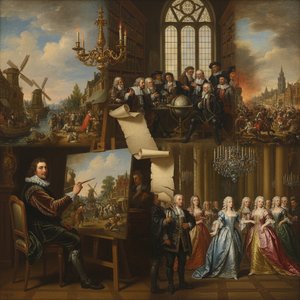
The 17th century Netherlands, a period often lauded as the Dutch Golden Age, wasn’t merely an era of burgeoning trade and colonial expansion; it was a remarkable flowering of artistic talent unlike any seen before. Emerging from a hard-won independence, the newly formed Dutch Republic fostered a climate where commerce, scientific inquiry, and artistic expression thrived in unprecedented harmony. Unlike many European nations where patronage flowed primarily from aristocratic courts or the Church, Dutch art found its support within a burgeoning middle class – merchants, civic leaders, and skilled craftsmen who valued depictions of their daily lives, portraits that reflected their status, and landscapes that celebrated their homeland. This unique dynamic fueled an extraordinary demand for paintings, leading to a proliferation of artists and styles, and ultimately shaping the distinctive character of Dutch Baroque art.
This wasn’t simply about quantity; it was about quality and innovation. The emphasis shifted from grandiose religious narratives to intimate scenes of domesticity, still lifes brimming with symbolic meaning, and landscapes that captured the subtle nuances of light and atmosphere. The very fabric of society – its prosperity, its pragmatism, and its burgeoning sense of national identity – found expression on canvas. This period witnessed a democratization of art, where subject matter expanded beyond traditional boundaries, reflecting the values and aspirations of a wider audience.
Rembrandt van Rijn: Master of Light and Shadow
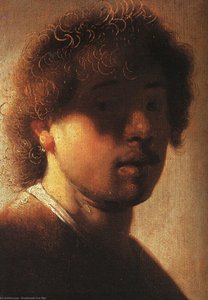
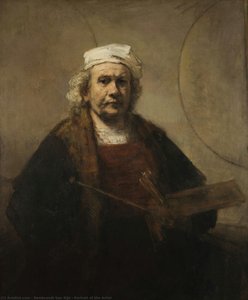 Portrait of the Artist
Rembrandt's poignant self-portrait reveals an aged master reflecting on his life & legacy. Explore the technical brilliance and emotional depth of this iconic Baroque work.
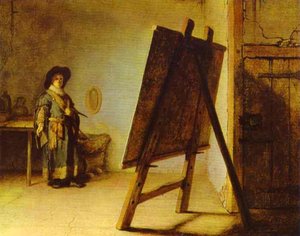
Within this vibrant artistic landscape, one figure stands paramount: Rembrandt Harmenszoon van Rijn. Born in Leiden in 1606, Rembrandt wasn’t merely a painter; he was a profound observer of the human condition, a master storyteller who wielded light and shadow with unparalleled skill. His early success came through portraiture, but it was his relentless experimentation with technique – particularly his masterful use of chiaroscuro – that truly set him apart. He didn’t simply depict faces; he captured the very essence of his subjects, revealing their inner lives through subtle expressions and nuanced gestures.
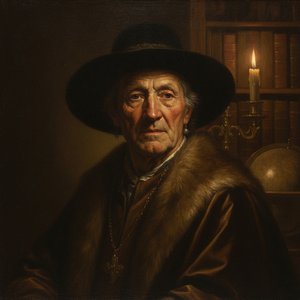
Rembrandt's self-portraits offer a particularly poignant glimpse into the artist’s evolving psyche. Throughout his career, he repeatedly returned to this subject, documenting not only his physical appearance but also his emotional state – from the confident young artist of his early works to the weathered and introspective master of his later years. These portraits are not merely representations of likeness; they are profound meditations on aging, mortality, and the burden of artistic genius. His poignant “Portrait of the Artist” (available through ArtsDot.com) exemplifies this depth, revealing an aged Rembrandt reflecting upon a life dedicated to his craft.
Chiaroscuro Technique: Deconstructing Rembrandt’s Approach
In art, chiaroscuro (English: kee-AR-ə-SKOOR-oh, -SKURE-, Italian: [ˌkjaroˈskuːro]; lit. 'light-dark') is the use of strong contrasts between light and dark, usually bold contrasts affecting a whole composition. It is also a technical term used by ...
The term chiaroscuro, derived from the Italian for “light-dark,” refers to the dramatic use of contrasting light and shadow to create depth, volume, and emotional impact. While not invented by Rembrandt – artists like Leonardo da Vinci had employed similar techniques centuries earlier – he elevated it to an art form. He didn’t simply illuminate his subjects; he sculpted them with light, drawing attention to key features while shrouding others in darkness. This wasn't merely a technical exercise; it was a deliberate strategy for conveying narrative and psychological depth.
Consider “St. Peter,” (also available through ArtsDot.com) an etching that exemplifies Rembrandt’s mastery of this technique. The apostle, depicted as an old man burdened by authority, emerges from the shadows, his face etched with wisdom and weariness. The stark contrast between light and dark not only creates a sense of dramatic realism but also symbolizes Peter's role as a guiding force within the Church. Rembrandt’s use of etching allowed for incredibly fine detail and subtle gradations of tone, further enhancing the emotional impact of the work. He layered his inks with precision, creating textures that mimic the play of light on skin and fabric.
Beyond 'The Night Watch': Exploring Lesser-Known Chiaroscuro Works
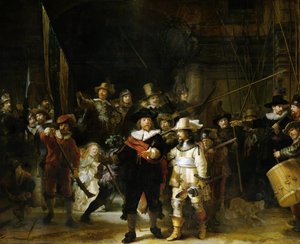
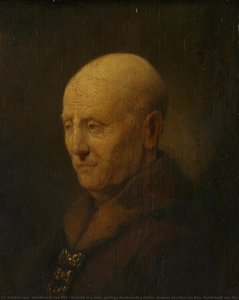
While “The Night Watch” remains Rembrandt’s most famous masterpiece, a testament to his skill in depicting dynamic group portraits, it represents only one facet of his artistic genius. His etchings, often overlooked in favor of his more monumental paintings, offer a wealth of insight into his technical prowess and his exploration of chiaroscuro. Works like “Abraham Franz” (available through ArtsDot.com) demonstrate his ability to capture the inner life of ordinary individuals with remarkable sensitivity.
“Abraham Franz,” for example, is not simply a portrait; it’s an intimate study of character. The subject's gaze meets ours directly, inviting us into a moment of quiet contemplation. Rembrandt’s masterful use of linear depth and rich texture creates a sense of immediacy, as if we are standing face-to-face with the man himself. These smaller works often reveal a more personal side of Rembrandt, showcasing his ability to find beauty and meaning in the everyday.
The Enduring Legacy of Dutch Baroque Painting
The influence of Dutch Baroque painting extends far beyond the 17th century. Its emphasis on realism, its exploration of psychological depth, and its innovative use of light and shadow continue to inspire artists today. Rembrandt’s techniques were studied by generations of painters, and his works remain a cornerstone of art history curricula worldwide. The democratization of subject matter – the focus on everyday life rather than solely religious or mythological themes – paved the way for new artistic movements and broadened the scope of what was considered worthy of representation.
The Dutch Golden Age also laid the foundation for a thriving art market, where collectors played an active role in shaping artistic trends. This emphasis on patronage from a wider audience helped to foster innovation and experimentation, leading to a period of unprecedented creativity. The legacy of this era continues to resonate today, reminding us of the power of art to reflect our shared humanity.
Collecting Dutch Masters Today: A Guide for Enthusiasts
For those seeking to connect with the spirit of the Dutch Golden Age, collecting works – or high-quality reproductions – by Rembrandt and his contemporaries offers a deeply rewarding experience. While original paintings command significant prices, museum-quality prints and handmade oil paintings provide accessible avenues for appreciating these masterpieces. ArtsDot.com specializes in bringing historical artworks to your home, offering expert reproductions and personalized service.
When selecting a reproduction, consider the size, orientation, and framing style that best complements your space. A skilled artist can recreate the textures and nuances of the original painting, capturing the essence of Rembrandt’s brushstrokes and his masterful use of light and shadow. Whether you choose a classic portrait, a dramatic landscape, or an intimate scene of domestic life, owning a piece of Dutch Baroque art is an investment in beauty, history, and artistic excellence. Explore our collection at ArtsDot.com to discover the timeless splendor of this remarkable era.